The intricate dance of colored mana is fundamental to Magic: The Gathering’s strategic depth. Consistent mana fixing is crucial for a deck’s game plan. Fetchlands, like Scalding Tarn, are premier fixers. However, their high cost and format restrictions create barriers. This article explores strategies for building robust multi-color mana bases without these expensive staples, ensuring accessibility and competitive viability.
Why Explore Alternatives to Fetchlands?
Primary motivators for seeking fetchland alternatives are financial and practical. Fetchlands command substantial prices, making them inaccessible for many. Formats like Pauper disallow them. Commander players often opt for budget-friendly builds. Some prefer exploring different deck-building constraints as a creative challenge. These limitations foster innovative deck construction.
Diverse Non-Fetchland Mana Base Components
Building a resilient mana base without fetchlands requires thoughtful selection of alternative lands and non-land permanents. Balancing speed, life cost, and battlefield conditions optimizes mana consistency for any strategy.
Dual and Tricolor Lands
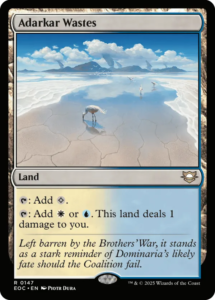
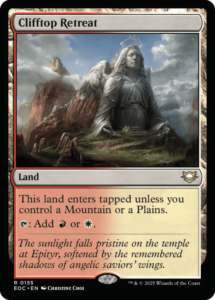
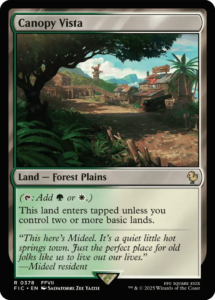
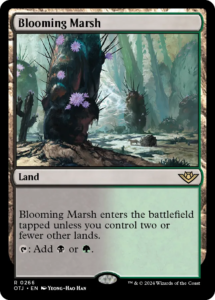
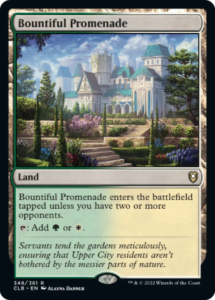
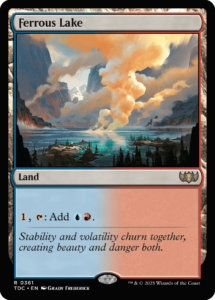
Many lands provide multiple colors without a search effect. “Pain lands” (e.g., Adarkar Wastes) offer immediate two-color access for one life. “Check lands” (e.g., Glacial Fortress) enter untapped if you control a compatible land. “Crowd lands” enter untapped with two or more other players. “Fast lands” enter untapped with two or fewer lands. “Slow lands” enter untapped with two or more other lands. “Filter lands” convert one color into two. Each cycle offers unique trade-offs, allowing tailored mana bases.
Mana Rocks and Dorks
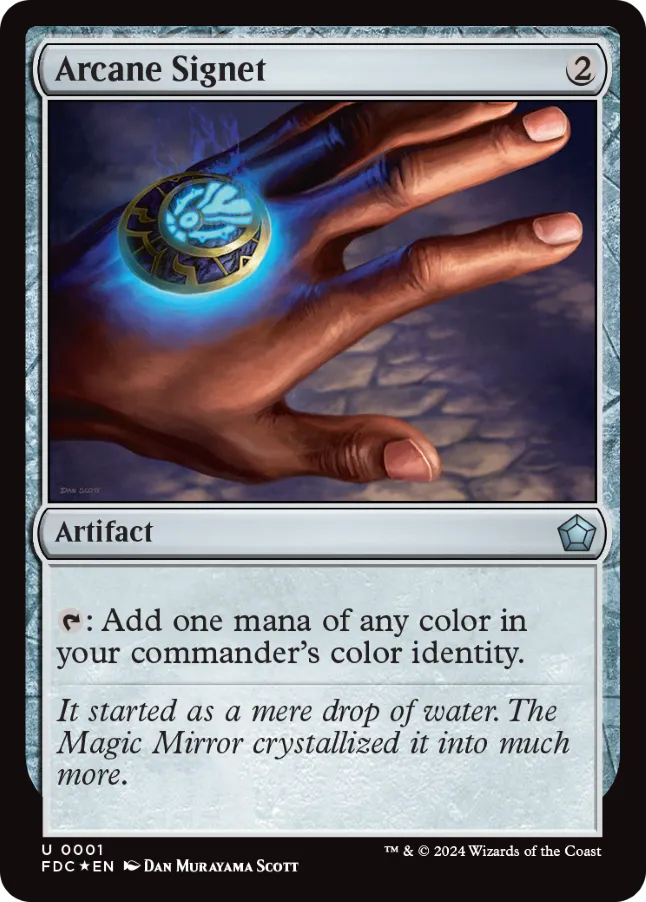
Non-land permanents generating mana are indispensable for fixing and acceleration. “Mana rocks” are artifact sources. Arcane Signet taps for any color in your commander’s identity. Chromatic Lantern makes all lands tap for any color. Talismans offer two specific colors with a life payment option. These artifacts are generally resilient. “Mana dorks” are creatures generating mana. Birds of Paradise offers multi-color flexibility early. While vulnerable to removal, their combined acceleration and fixing are highly efficient. Pairing these permanents with chosen lands creates a robust mana foundation, smoothing color requirements.
Utility and Spell-Based Fixing
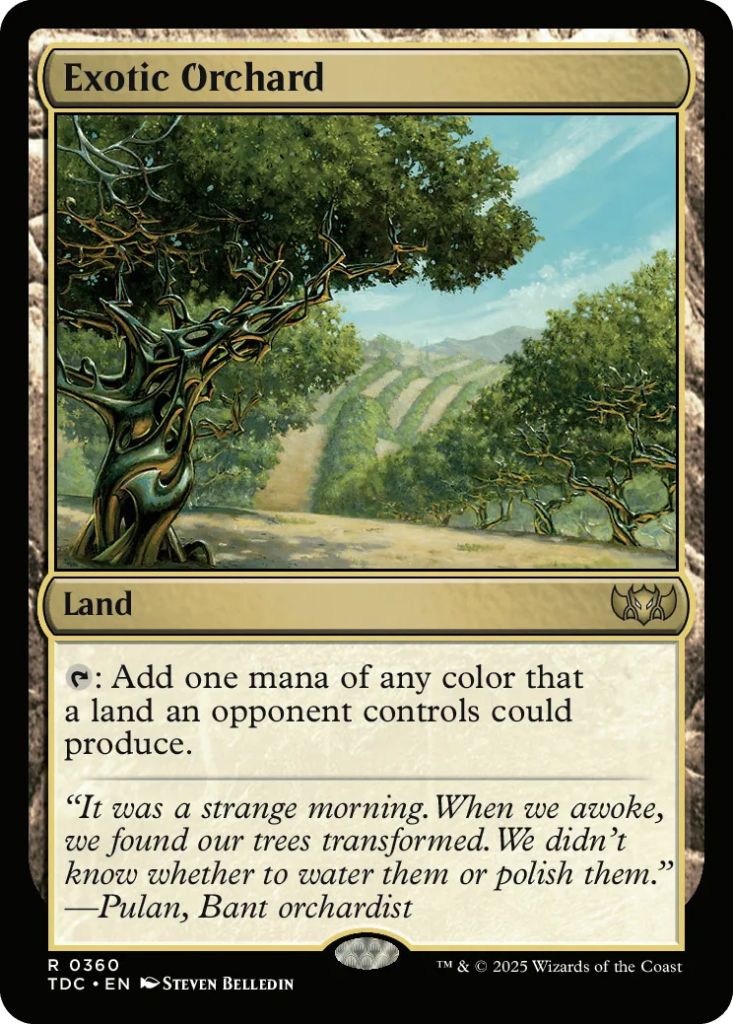
Utility lands and spells can supplement color fixing. Cascading Cataracts filters one color into any combination. Exotic Orchard taps for colors an opponent’s basic land could produce. Expedition Map searches for any land, acting as a flexible land tutor. Chromatic Orb fixes colors and replaces itself by drawing a card. These options provide versatility, utility, and expanded options without search effects.
Strategic Implementation and Trade-offs
Building a mana base without fetchlands demands strategic decisions tailored to archetype and speed. Aggressive decks prioritize “fast lands” and “pain lands” for immediate, untapped colored mana, accepting early life loss. Control and midrange strategies leverage “check lands” and “slow lands,” becoming consistent as the game progresses. Commander decks utilize diverse mana rocks and utility lands due to singleton nature and slower pace. The primary trade-off is between speed and consistency; alternatives require thoughtful sequencing or accepting lands that enter tapped. Playtesting is essential to identify potential mana issues and fine-tune land types and non-land mana sources. This enables effective mana base construction tailored to strategic needs and budgetary constraints.
Conclusion
While fetchlands are efficient, their absence does not doom a multi-color deck. Many alternative lands, artifacts, and creatures provide robust solutions for any budget or format. By carefully selecting “pain lands,” “check lands,” “fast lands,” “slow lands,” “filter lands,” and effective mana rocks and dorks, players can construct highly functional mana bases. This thoughtful approach makes Magic: The Gathering more accessible, fostering a deeper understanding of resource management and strategic trade-offs. A deck can indeed splash colors effectively without expensive solutions.