Mana rocks are the quiet engines of many Magic: The Gathering Commander decks. They turn early turns into real tempo, help you keep hands that would otherwise be slow, and smooth awkward color needs. Yet not all rocks are equal—some are format-defining, while others are fine only in narrow shells.
This tier list focuses on widely played options, especially the familiar staples from Sol Ring through Arcane Signet. It uses practical criteria: mana cost, speed, color fixing, and how often the rock is a good draw after turn five. The goal is not to declare one “best” rock for every deck, but to clarify why certain pieces keep rising to the top.
How to judge a mana rock (without overthinking it)
In Commander, the best rocks do three jobs at once: they accelerate, they fix colors, and they remain useful when the board gets messy. Rate each rock by what you get for the mana you invest, and by how quickly you get that mana back.
Efficiency matters most in the early game. A two-mana rock that taps immediately often “pays you back” by turn three, letting you deploy a key commander or hold up interaction. By contrast, a three-mana rock can be correct in slower pods, but it needs upside—extra color flexibility, additional utility, or synergy with your plan.
It also helps to notice hidden costs. Some rocks enter tapped. Others require colored mana to activate, which is awkward when the rock was meant to fix color problems in the first place. And in many metas, rocks are fragile; artifact removal is common, so “value on arrival” is a real advantage.
S Tier: the format’s pace-setters
S-tier rocks shape opening hands and early turns. They are powerful in most decks, even when drawn late, and they ask very little of you in return.
Sol Ring
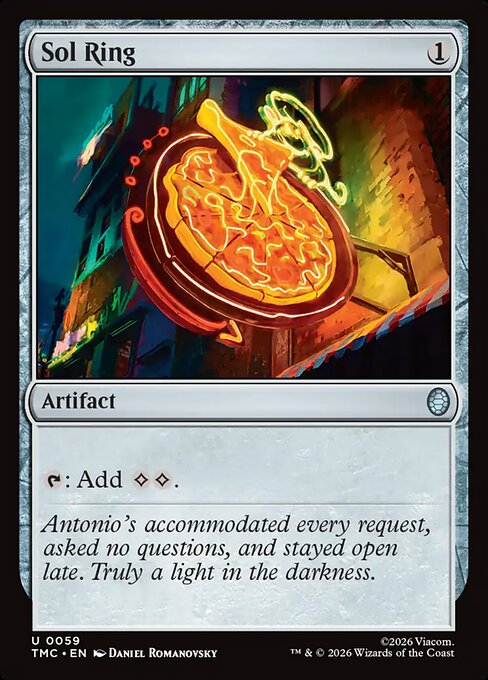
Sol Ring remains the benchmark for raw acceleration. One mana to produce two colorless is an enormous jump, and it often turns turn-two plays into turn-one plays. In practice, it also “compresses” the game: decks with Sol Ring can develop faster, hold up answers sooner, and rebuild more easily after a wipe.
Its weakness is real but manageable: it does not fix colors. Still, Commander decks usually need generic mana for setup—equip costs, activation costs, and many colorless pips on early interaction. Because the upside is so large, Sol Ring is still the first rock many players consider.
Arcane Signet

Arcane Signet earns S-tier status for a different reason: it fixes perfectly, in nearly every deck. Two mana for one mana of any commander color is clean, reliable, and hard to replace. It is rarely a bad draw, because color access stays relevant long after the early sprint.
Arcane Signet also reduces deck-building strain. When your mana base is imperfect (budget, multiplayer variance, or both), a two-mana fixer that always works is a major stabilizer. It does not create explosive turns like Sol Ring, but it makes more hands keepable—and that wins games quietly.
A Tier: excellent, but with small constraints
A-tier rocks are strong inclusions in a wide range of lists, yet they hinge on conditions like color identity, table speed, or the need for extra utility.
Talisman cycle (Talisman of Dominance, etc.)

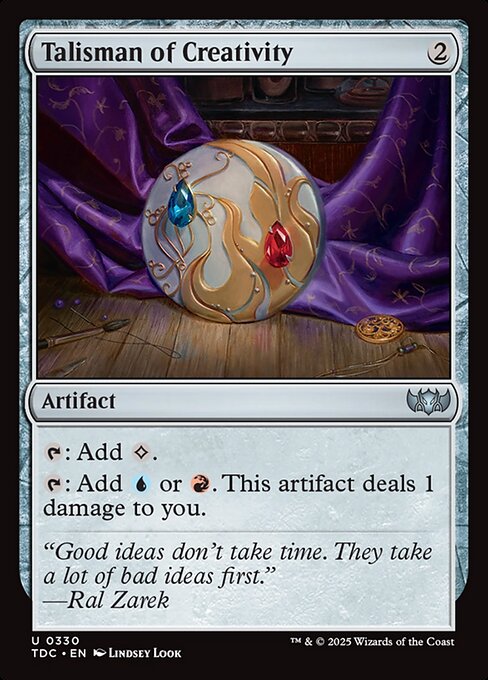
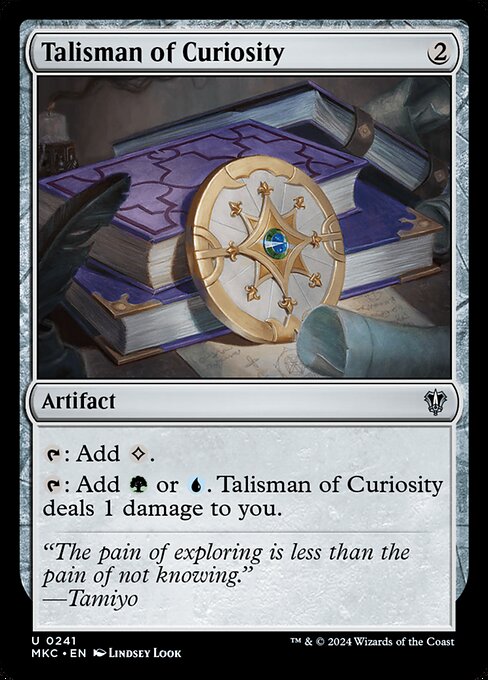

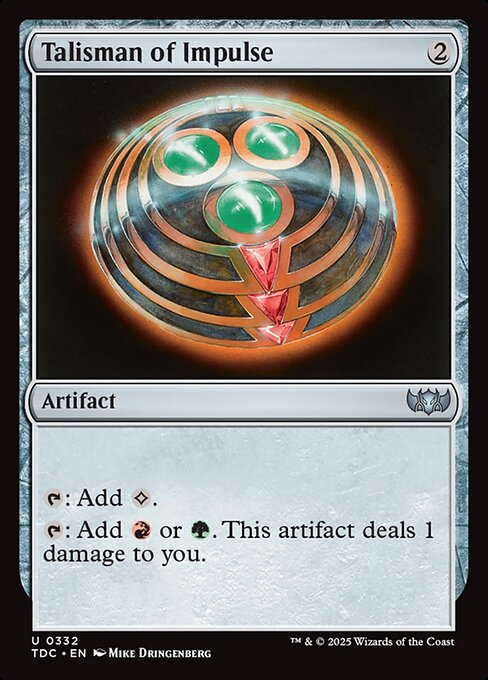
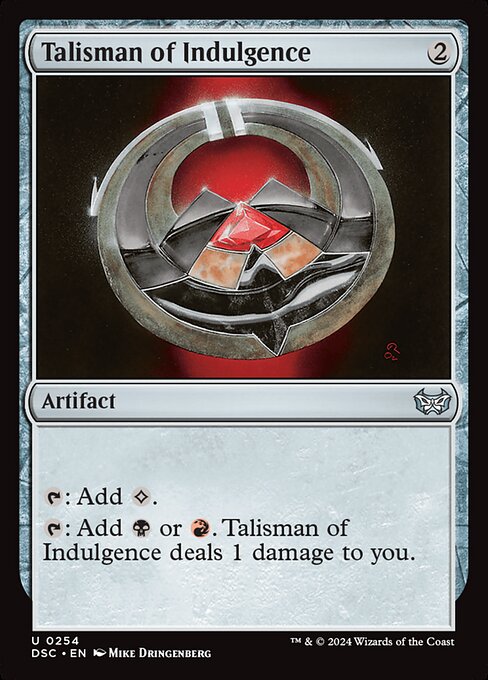

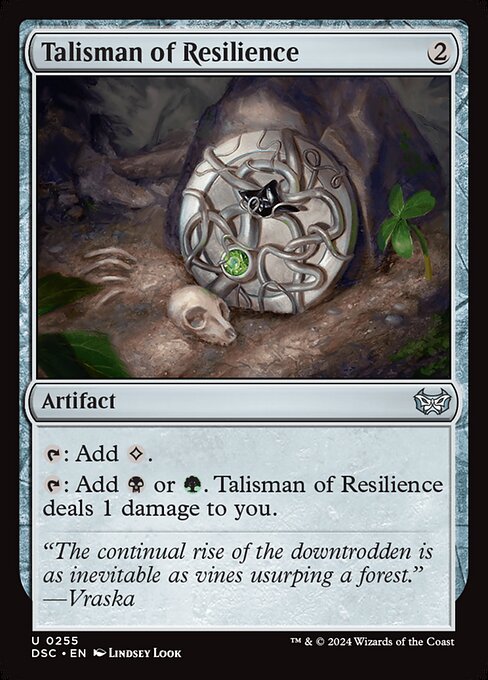
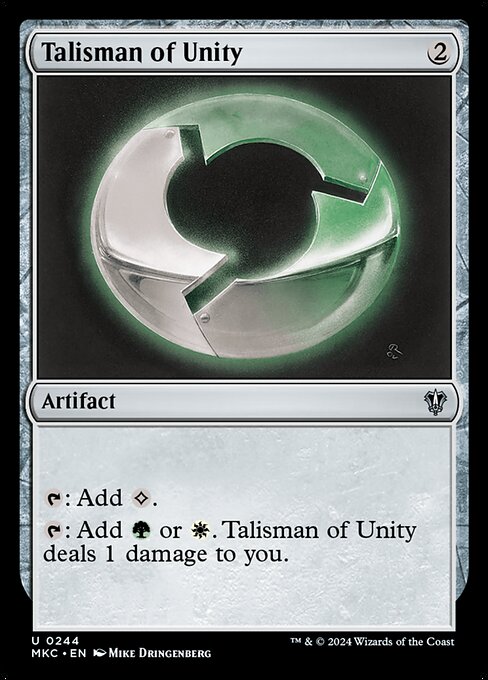
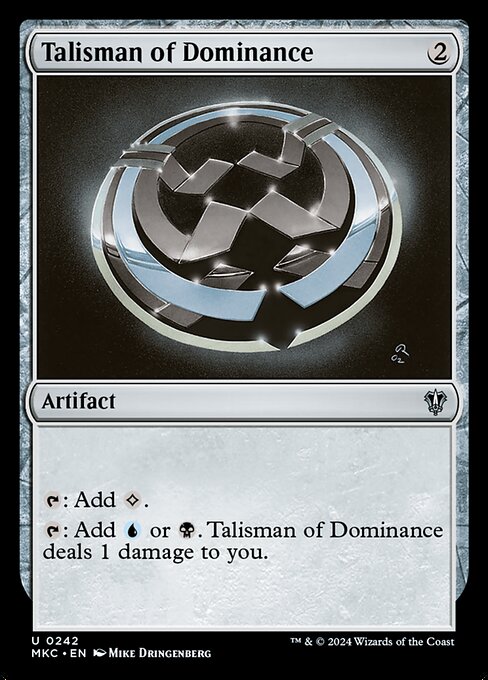
Talismans are among the best two-mana accelerants because they can tap for colorless immediately, or for colored mana at the cost of one life. In Commander, that life is usually a trivial price for tempo. Their speed is the key: they enter untapped, so they function right away.
Talismans are at their best in two- and three-color decks that want to curve out. They are slightly worse when your strategy is extremely life-sensitive, but that is uncommon. If your deck can play a talisman, it usually should.
Signet cycle (Dimir Signet, Gruul Signet, etc.)
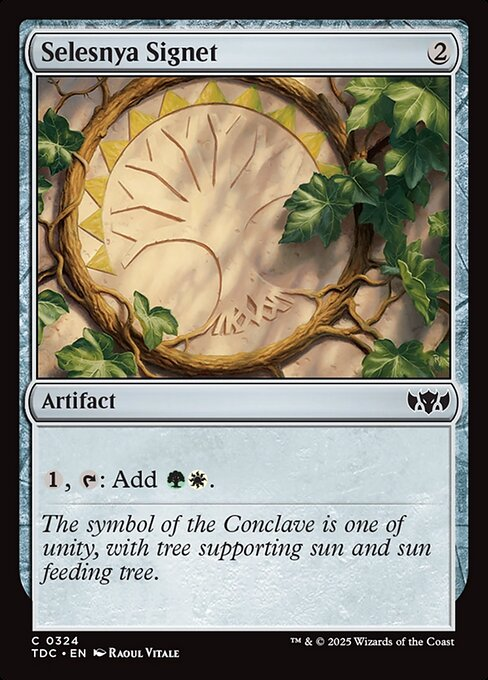
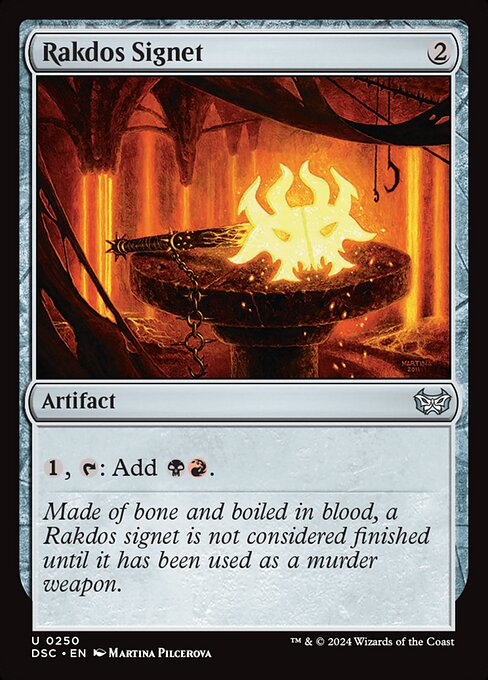
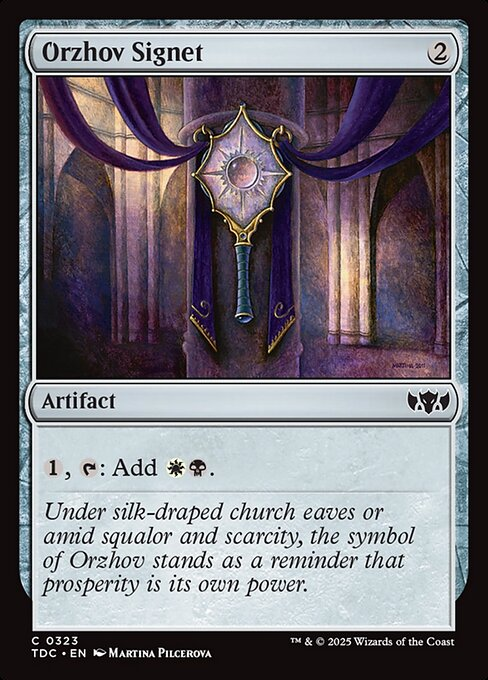
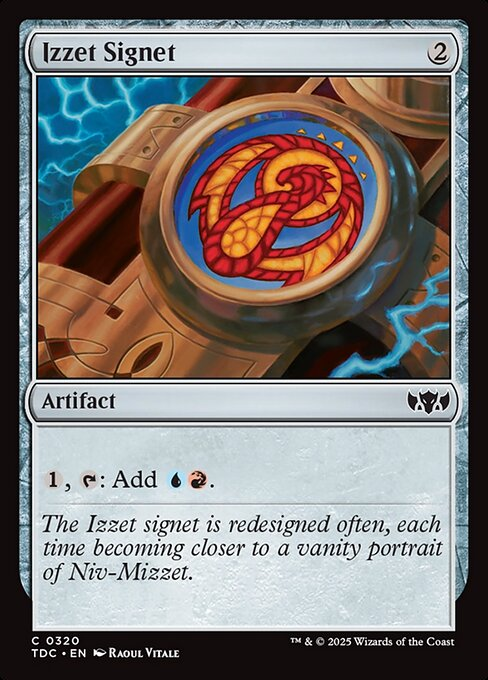
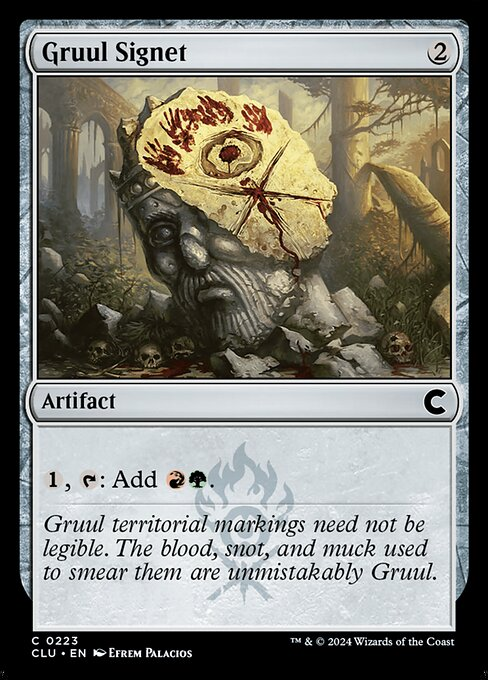
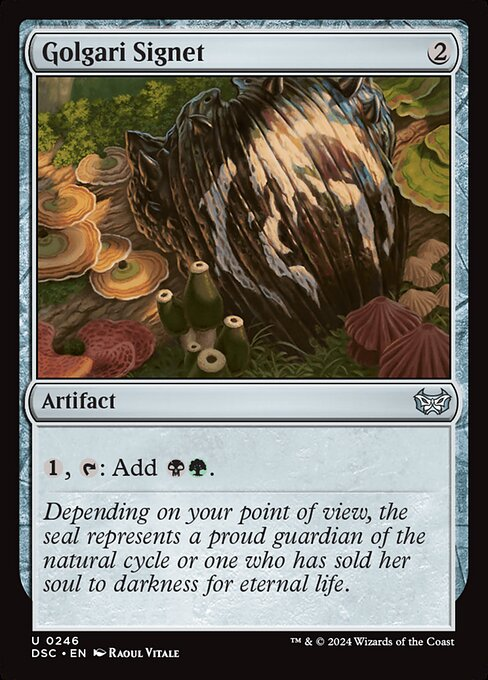
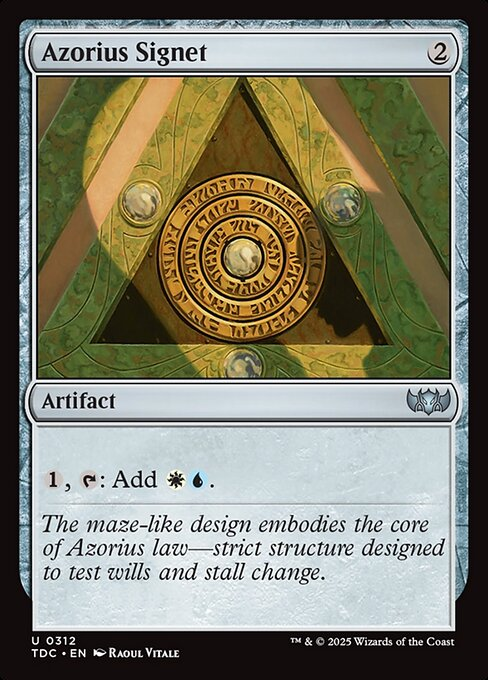
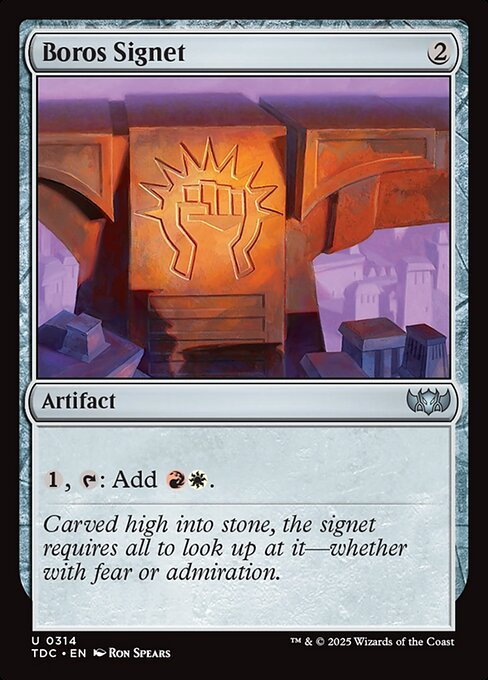
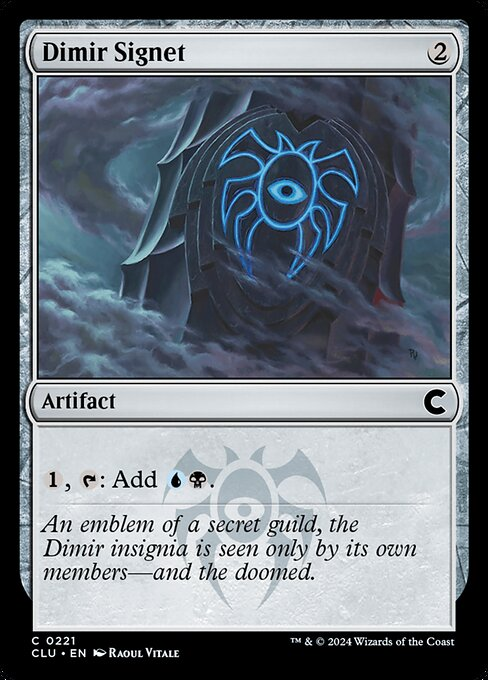
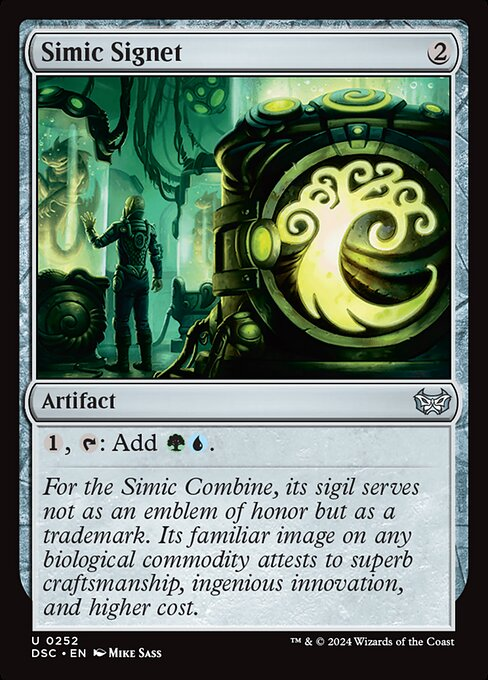
Guild signets are staples because they fix two colors and scale well into the midgame. They can be awkward on turn two if your available mana does not include the right color to “turn them on,” yet most decks can plan around that with sensible land choices.
Signets also encourage disciplined sequencing. You often play them when you already have at least one colored source; then they unlock double-spell turns later. They are not as effortless as talismans, but in many lists the fixing is worth it.
B Tier: solid role-players (and sometimes best-in-class)
B-tier rocks are good, but not automatic. They tend to be slower, narrower, or more sensitive to removal. Still, they can be excellent when they match a deck’s needs.
Fellwar Stone
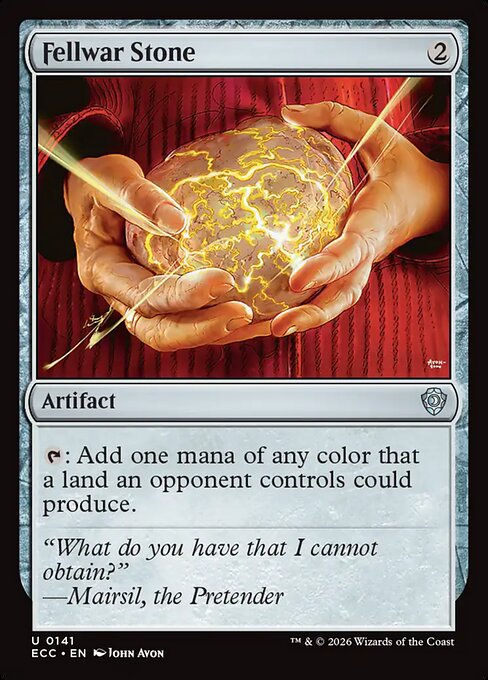
Fellwar Stone is efficient at two mana, and in most multiplayer tables it makes one or more helpful colors. Its ceiling is high in color-dense pods, especially at four players. Its floor is lower in unusual metas—mono-color tables, heavy colorless strategies, or pods where opponents’ colors do not help you.
In practice, it is often close to Arcane Signet in performance, just less predictable. If your local games are typical, Fellwar Stone is usually a strong include.
Thought Vessel
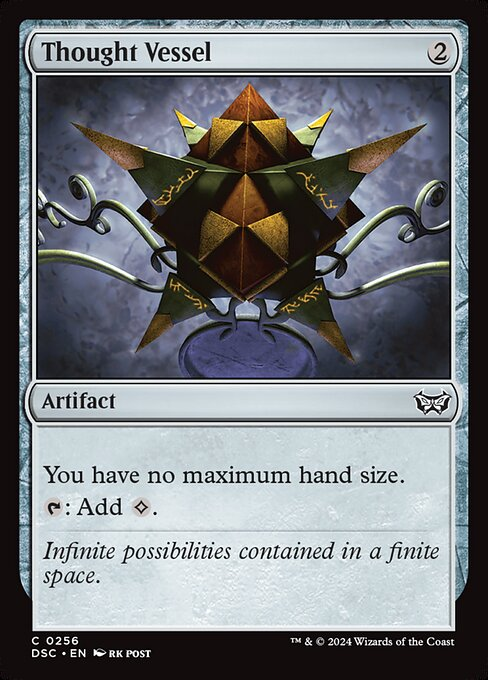
Thought Vessel provides colorless acceleration plus no maximum hand size. That extra text matters in draw-heavy decks, wheels, and commanders that refill your hand repeatedly. In lists that rarely hold seven cards, the Vessel is mostly a two-mana rock with a small bonus.
It is also a good example of “late-game relevance.” When topdecks are common, a rock that comes with a utility line can feel less disappointing than pure ramp.
Mind Stone
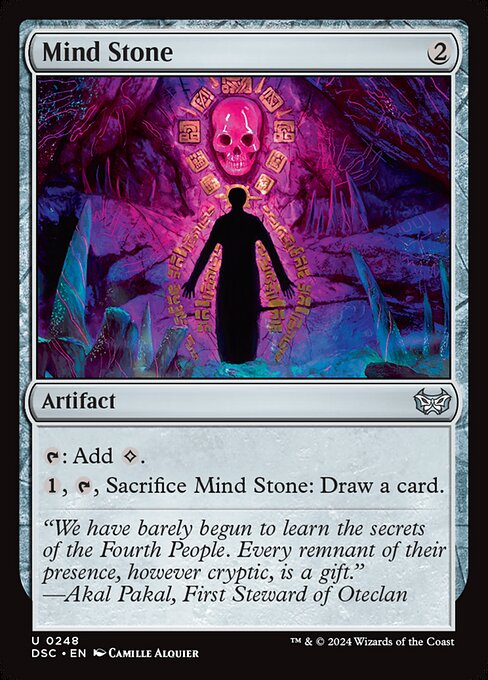
Mind Stone is a classic: two mana now, a card later. The ability to cash it in when you flood is valuable, and it makes Mind Stone a respectable draw on turn six or seven. It does not fix colors, but many decks mainly want acceleration early and card flow late; Mind Stone provides both.
Quick recommendations (so what should you play?)
If you want a simple baseline, start with the rocks that are efficient and consistent. Then add utility pieces only if they match your plan. A sensible package often looks like this:
• Sol Ring and Arcane Signet in most Commander decks
• Talismans and signets that fit your colors, especially in two- to three-color lists
• Fellwar Stone when your tables are diverse and multi-color
• Mind Stone or Thought Vessel when you value late-game card flow or hand size
The final step is meta awareness. If artifact removal is constant, prioritize rocks that give immediate value through speed and fixing. If games are slower, you can afford slightly clunkier options with stronger text. Either way, the top of the list stays stable for a reason: Sol Ring and Arcane Signet do the job cleanly—and they make the rest of your deck work more often.