

Magic: The Gathering is no stranger to ambitious crossovers, but the upcoming Avatar: The Last Airbender set may be its most flavorful yet. Launching on November 21, 2025, this Universes Beyond release brings the world of elemental bending straight into MTG gameplay.
Fans of both franchises can expect new mechanics that not only capture the essence of water, earth, fire, and air, but also shake up how decks are built and played in Standard and beyond. With the return of familiar elements like Lessons, Allies, and Sagas, plus fresh designs tailored to the Avatar universe, the set feels like both a nostalgic tribute and a forward-thinking experiment. Let’s take a closer look at how bending translates into cardboard strategy.
Waterbending
Waterbending is all about flexibility and adaptability, both in Avatar lore and MTG gameplay. The new Waterbend ability lets you tap artifacts and creatures to help pay for activated abilities, much like a blend of Improvise and Convoke. For example, Aang’s Iceberg features “Waterbend 3,” which means you can tap up to three creatures or artifacts instead of spending mana to cover the cost.
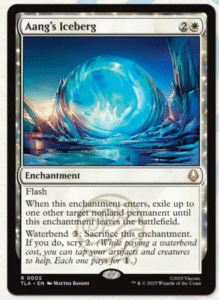
This mechanic is especially potent in decks that can generate token creatures or cheap artifacts, creating a renewable resource for ability activation. Flavor-wise, it feels true to the flowing, resourceful style of waterbending—always finding a way to bend the rules, so to speak. Strategically, it gives players a way to stretch their mana efficiency and activate abilities that might otherwise be too costly.
Earthbending
In Avatar, earthbending is about resilience and strength, and that theme carries over perfectly into MTG. Earthbending animates your lands into creatures, placing +1/+1 counters on them according to the earthbending value. Unlike traditional land-animation spells, these lands don’t permanently vanish if destroyed—they return to the battlefield tapped as lands.
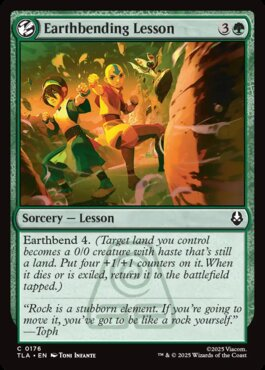
Cards like Earthbending Lesson showcase this power, turning a land into a sizable 4/4 creature that can swing into battle without permanently risking your mana base. From a strategy perspective, this is huge: you gain access to extra attackers while maintaining resource stability in the long run. The mechanic rewards players who like durability, board presence, and long-game value plays. Flavor-wise, it’s an elegant match to the unshakable and grounded philosophy of Earthbenders like Toph.
Firebending
If you like aggressive strategies, firebending is tailor-made for you. Firebending creatures generate red mana equal to their power whenever they attack, but this mana only lasts until the end of combat. In practice, this lets you fuel burn spells, pump effects, or combat tricks mid-battle, creating explosive turns that put opponents on the back foot.
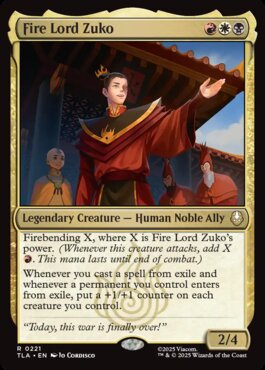
Imagine swinging with a 4-power creature, generating four red mana, then casting an instant like Lightning Strike or powering up another attacker with a surprise buff. This mechanic emphasizes tempo and battlefield dominance, rewarding players who stay proactive and seize initiative. It’s an excellent example of mechanics matching flavor: firebenders in the show are bold, relentless, and often overwhelming in direct combat. Firebending’s design captures that exact essence while giving red decks new ways to burn bright and fast.
Airbending
Airbending in MTG is the most versatile and tricky of the new mechanics. It lets you exile a permanent, then recast it later for just two generic mana, no matter its original cost. This opens the door to all kinds of clever plays. You can flicker your own creatures to reuse powerful “enter the battlefield” triggers, or temporarily remove an opponent’s key piece to disrupt their board.
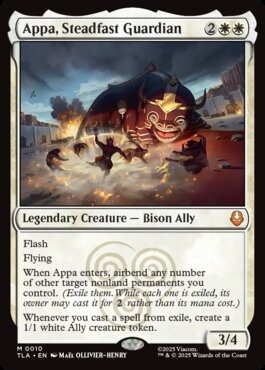
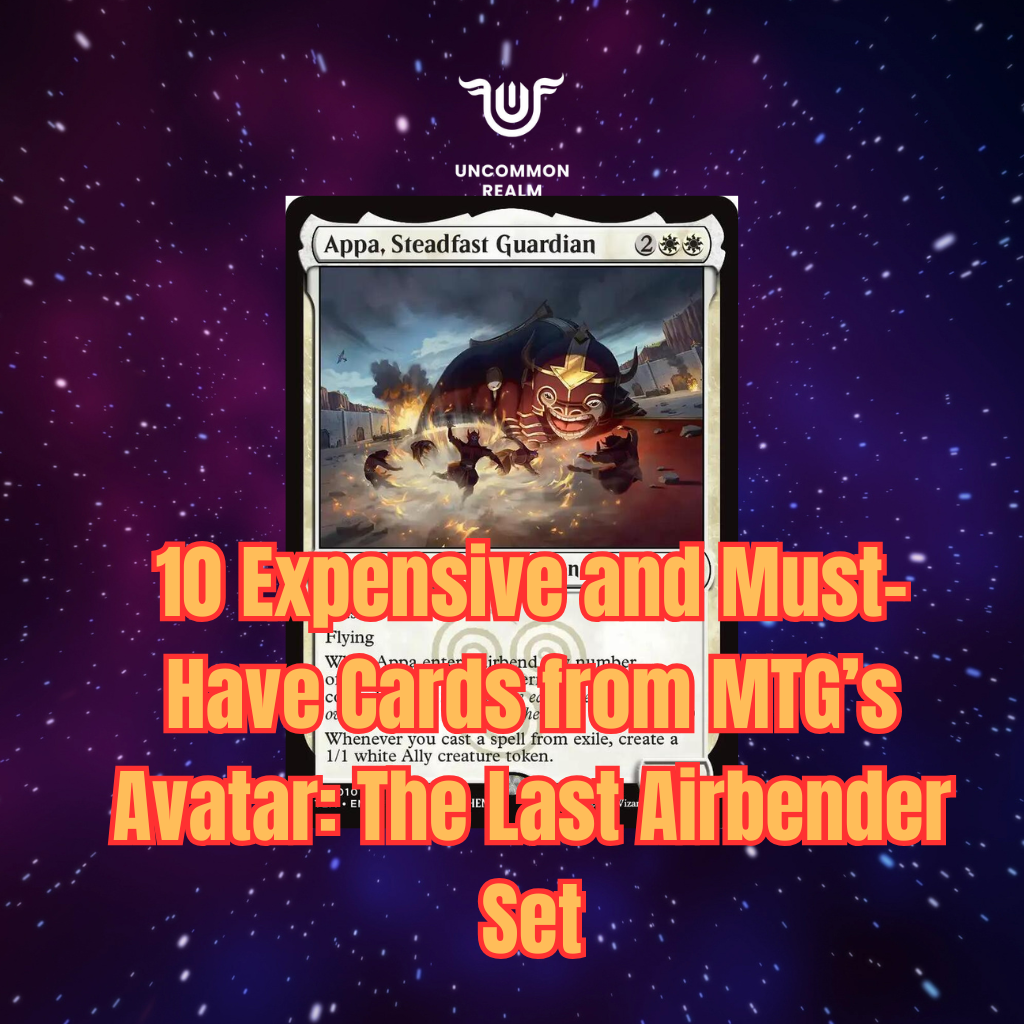
A standout example is Appa, Steadfast Guardian, which can exile your own permanents for protection and later bring them back cheaper. This mechanic shines in midrange and control strategies, where flexibility and surprise value are key. Just like Aang’s airbending style, it’s elusive, evasive, and often one step ahead of the opponent. For players who love tricky interactions and maximizing value, airbending will feel like a breath of fresh air.
The Avatar State: Aang’s Transformation
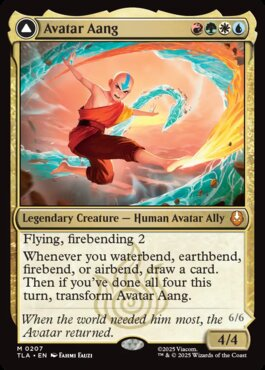
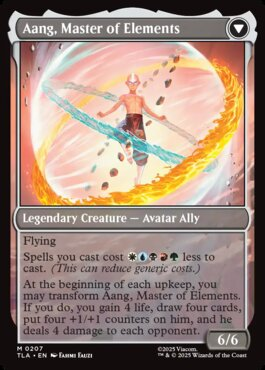
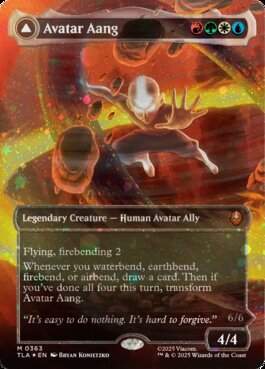
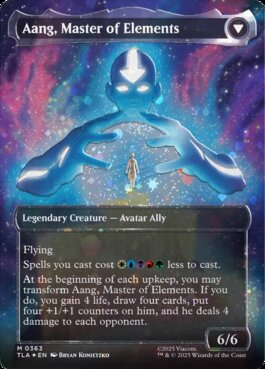
The centerpiece of the set is none other than Avatar Aang, a Legendary Human Avatar Ally. What makes him special is his ability to transform into Aang, Master of Elements when you’ve used all four bending mechanics in a single turn. This transformation is both mechanically powerful and narratively satisfying. In his Avatar State, Aang unleashes a devastating upkeep trigger: you gain 4 life, draw 4 cards, put four +1/+1 counters on a creature, and deal 4 damage to each opponent. Every effect is tied to an element, making the transformation feel like a true mastery of the four bending arts. This design is a clever way to reward players for exploring all aspects of the set while paying tribute to Aang’s story arc. It’s a win for flavor and gameplay alike.
Returning Mechanics and Themes
Alongside the new bending mechanics, the set reintroduces several fan-favorite mechanics:
- Lesson and Learn cards make a comeback, allowing players to pull specific answers from outside the game. This feels especially thematic for the Avatar world, where knowledge and study often fuel growth.
- The Ally creature type also resurfaces, reinforcing the team-based themes of the series as characters like Katara, Sokka, and Toph support one another. Sagas and Shrines also appear, tying into Avatar’s mythic storytelling and spiritual elements.
Altogether, these mechanics combine to create a set that is as flavorful as it is strategically rich. For MTG veterans, it’s a mix of familiarity and novelty, while for Avatar fans, it’s a perfect bridge into the mechanics of Magic.
The Avatar: The Last Airbender MTG set stands out as one of the most flavorful crossovers in the game’s history. Each bending mechanic embodies the essence of its element while offering players new strategic possibilities. Waterbending enhances flexibility, Earthbending emphasizes resilience, Firebending fuels aggression, and Airbending delivers tactical trickery.
With Aang’s transformative design at its heart and the return of Lessons, Allies, and Sagas, the set promises to satisfy both competitive players and fans of the Avatar universe. Whether you’re looking to dominate the battlefield with Fire Nation aggression, stand firm with Earth Kingdom resilience, or outmaneuver your opponents with Air Nomad finesse, this set has something for you. November 21, 2025, will mark not just a release but a celebration of two beloved worlds colliding.
Well said.