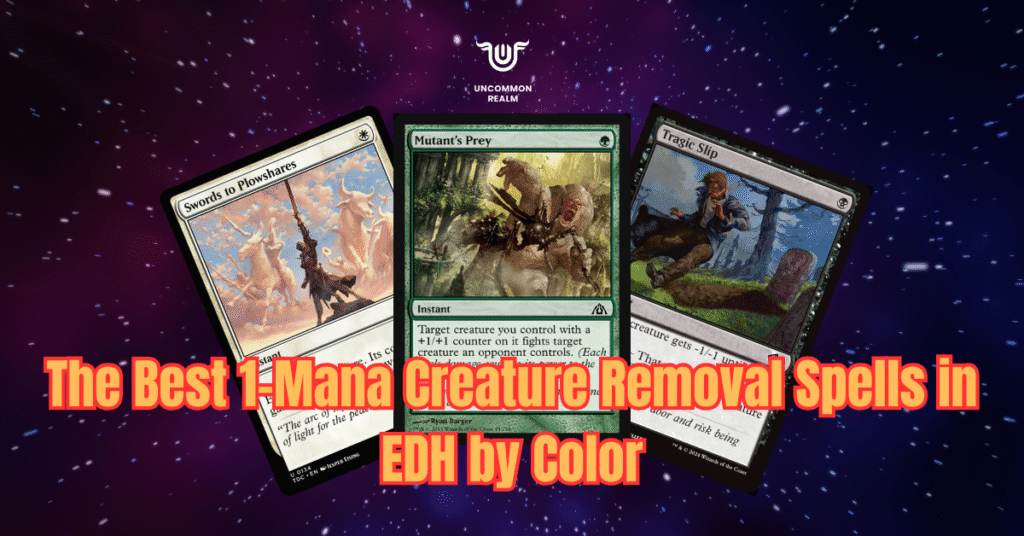
The concept of the mana curve is a fundamental pillar of deck construction within Magic the Gathering. It refers to the visual and numerical distribution of spells based on their mana value. A well-optimized curve allows a player to utilize their available resources efficiently during every stage of the game. For players who study data on sites like MTGGoldfish, the curve is often the first thing analyzed when a new deck list emerges in the professional meta. This strategic framework ensures that a player does not waste their early turns doing nothing while also ensuring they have powerful plays for the late game.
In the early days of the game, players often chose cards based solely on their power. However, as the game evolved, the importance of tempo became clear. Tempo is the speed at which a player can deploy threats and answers. If your deck is full of six-mana spells, you will likely lose to an opponent who plays a small creature on turn one and another on turn two. This historical shift was pioneered by the famous Sligh deck which prioritized the curve over raw card power. Today, this logic remains the standard for competitive play across all formats including Standard, Modern, and Pioneer.
The Mathematics of Curve Optimization
Achieving a perfect mana curve requires a deep understanding of probability. The goal is to maximize the chance of having a spell to play on each turn of the game. Statistical tools often used by analysts at MTGStocks suggest that the land count must support the curve. For example, a deck with a low average mana value can function on twenty lands. In contrast, a control deck with many high-cost spells might require twenty-six lands to ensure consistent land drops. The curve is not just about the spells but also about the ratio of lands to those spells.
Finding the Goldilocks Zone
Every deck has a unique “Goldilocks zone” where the costs are just right for its strategy. Aggressive decks tend to have a curve that peaks at one or two mana. These decks want to empty their hand quickly to overwhelm the opponent. Midrange decks usually peak at three or four mana. They aim to trade resources early and then win with high-quality spells in the middle of the game. Analysis from EDHREC shows that even in casual formats like Commander, the average mana value of a deck is a strong indicator of its potential speed and power level.
Archetypal Variations and Strategic Nuance
The shape of a mana curve varies wildly between archetypes. A control deck might look like it has a high curve, but it often uses cheap interaction to survive. These decks use spells like counter-magic or removal to stall the game. Once the control player reaches the late game, they deploy a large threat that the opponent cannot answer. In this case, the curve is built to protect the player until they can reach their expensive win conditions. Understanding this flow is essential for anyone looking to master high-level competitive play.
Mana Sinks and Virtual Mana
Modern deck design often includes “mana sinks” to help when a player has too much mana. These are cards that allow a player to spend extra mana for an advantage, such as drawing a card or making a creature larger. Mana sinks prevent a player from losing momentum if the game lasts longer than expected. Additionally, many players now look at “virtual mana” which includes cards with cost-reduction mechanics. These cards might show a high mana value on the surface, but they are often played for much less. This allows a player to break the traditional rules of the curve and gain a massive advantage in tempo.
Economic and Meta Implications
The efficiency of a card relative to its mana cost often dictates its financial value. If you look at price trends on MTGStocks, you will see that the most expensive cards are often those that provide the most impact for the least amount of mana. Cards that cost one or two mana and remain relevant throughout the game are highly sought after. This is because they fit easily into any curve. A deck that can play two spells in one turn while the opponent only plays one will almost always have the upper hand. This is known as “double-spelling” and is a hallmark of efficient play.
In conclusion, the mana curve is more than just a list of numbers. It is a roadmap for how a game of Magic will unfold. By balancing the distribution of costs, players can ensure they are always active participants in the match. Whether you are building a fast aggressive deck or a slow control deck, the principles of the curve remain the same. Use your mana every turn, plan for the future, and always keep an eye on the data. Success in Magic the Gathering is often a matter of who manages their resources with the most precision.