The landscape of the Commander format in Magic: The Gathering is vast and varied. Players seek commanders that offer both flavor and functional strength. One such iconic figure is Niv-Mizzet, Dracogenius. As the leader of the Izzet League on the plane of Ravnica, he embodies the union of fire and mind. Building a deck around this legendary dragon requires a firm grasp of resource management. This article examines the strategic framework needed to optimize a Niv-Mizzet, Dracogenius deck. We will explore the theoretical underpinnings of his abilities. We will also discuss the necessary card selections to ensure a competitive and cohesive gaming experience. The goal is to build a deck that flows as smoothly as the dragon’s own intellect. Players must balance the need for control with the desire for explosive power. This balance is the hallmark of a true Izzet master.
The Mechanical Identity of the Dracogenius
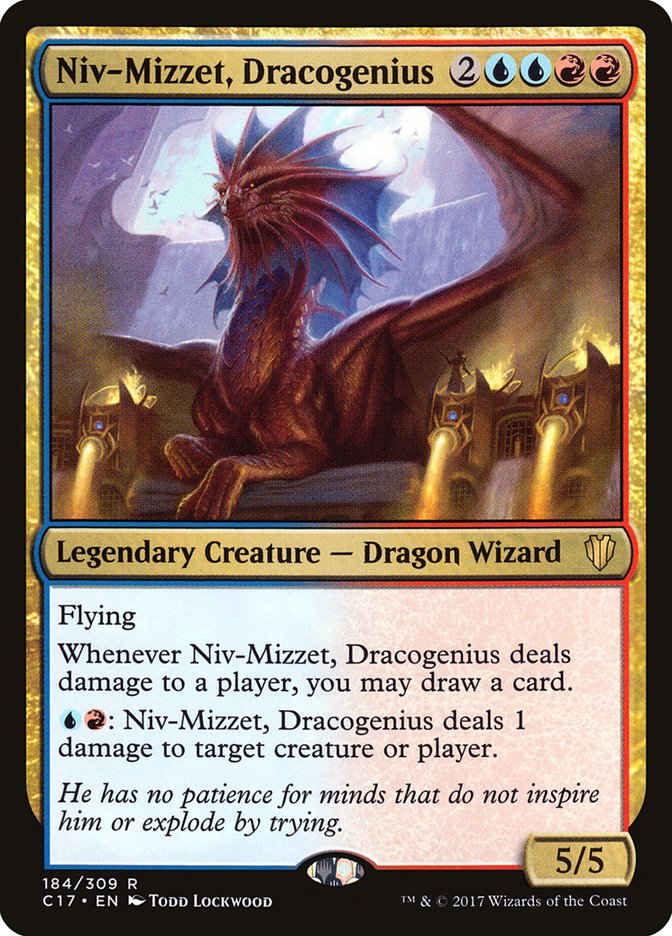
Niv-Mizzet, Dracogenius is a six-mana creature with a power and toughness of five. He possesses the flying keyword, which makes him a formidable aerial threat. His primary value lies in his triggered and activated abilities. Whenever he deals damage to a player, the controller draws a card. Furthermore, the player can pay one blue mana and one red mana to deal one damage to any target. These two abilities create a powerful feedback loop. You spend mana to deal damage, which in turn allows you to draw cards. This relationship is a classic example of resource conversion. In this case, mana is converted into board state impact and hand advantage. This makes the Dracogenius a core engine for any deck he leads.
Evaluating Mana Efficiency
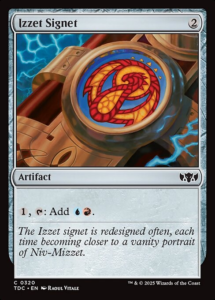
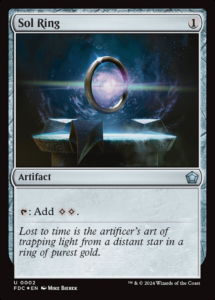
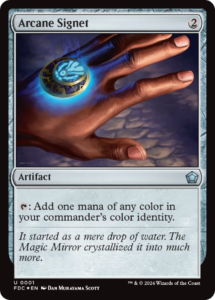
In the Commander format, mana efficiency is vital. Niv-Mizzet costs six mana, which is a significant investment. Players must ensure they can protect him once he hits the battlefield. The activated ability also requires a constant stream of mana. To make the most of this, the deck must prioritize mana rocks and ramp spells. Cards like Sol Ring, Arcane Signet, and Izzet Signet are essential. They allow the player to cast the commander earlier than turn six. They also provide the specific colors needed for his ability. A deck that fails to provide ample mana will find the Dracogenius stalled. Therefore, the mana base is the most critical foundation of the build.
The Power of Card Draw
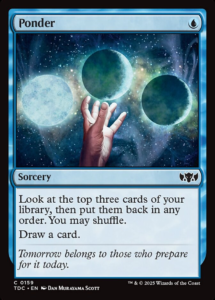
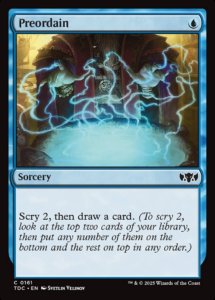
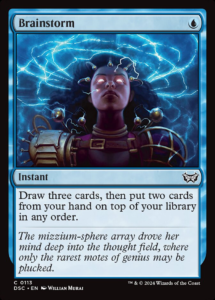
Card draw is often cited as the most powerful mechanic in Magic. Niv-Mizzet provides this in abundance. Each point of damage dealt to an opponent translates into fresh resources. This keeps the player’s hand full of answers and threats. It also allows the player to dig through the library for key combo pieces. In a professional deck build, card draw should not be left to the commander alone. Including spells like Ponder, Preordain, and Brainstorm helps maintain early-game consistency. These low-cost spells smooth out draws and set up the mid-game transition. When the Dracogenius arrives, he should augment an already healthy flow of information.
Strategic Archetypes for Niv-Mizzet
When building around the Dracogenius, players usually choose between two main paths. The first is a dedicated control shell. The second is a spellslinger approach that focuses on synergy. Both styles utilize the commander’s ability to ping targets and draw cards. However, they prioritize different support cards to reach the endgame. A control deck focuses on stopping opponents from winning. A spellslinger deck focuses on generating value through casting many spells. Choosing the right path depends on the player’s preferred style and the local meta. Both are valid and can be highly effective in a multiplayer setting.
The Control Framework
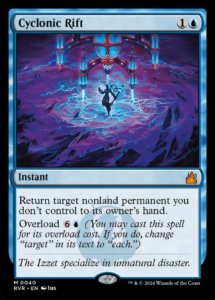
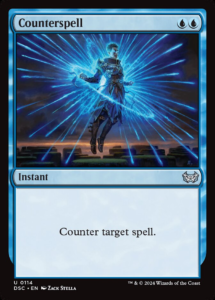
A control-oriented Niv-Mizzet deck uses the commander as a finisher. The rest of the deck is filled with counterspells, board wipes, and removal. Cards like Counterspell, Cyclonic Rift, and Blasphemous Act are staples here. The goal is to survive the early game and neutralize threats. Once the board is stable, the Dracogenius is deployed. With enough mana, he can pick off small creatures and pressure life totals. This archetype rewards patience and careful planning. It also makes great use of the commander’s ability to draw into more countermagic. This creates a loop where the opponent can never resolve a meaningful spell.
The Spellslinger Synergy
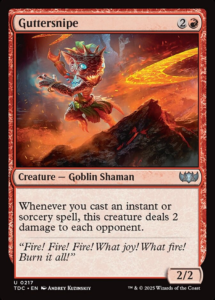
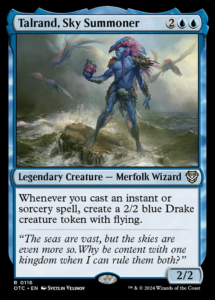
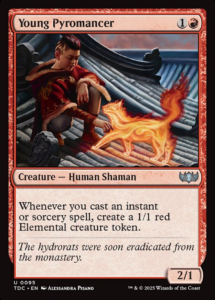
The spellslinger archetype focuses on cards that trigger when you cast an instant or sorcery. Creatures like Guttersnipe, Talrand, Sky Summoner, and Young Pyromancer are key here. Every time you cast a spell to protect your commander, you generate extra value. This could be direct damage to opponents or tokens to block incoming attacks. This style is often more proactive than pure control. It seeks to win by overwhelming the table with incremental advantages. Niv-Mizzet fits here as a high-end value engine. He provides the draw needed to keep casting multiple spells per turn. This synergy turns a simple deck into a well-oiled machine of arcane power.
Essential Deck Components
Beyond the commander and general strategy, specific cards provide the glue for the deck. These cards help the Dracogenius perform at his peak. They protect the investment of six mana and amplify his damage output. Without these components, the deck may feel slow or fragile. We will look at three categories: protection, amplification, and win conditions. Each category serves a specific purpose in the grand design of the deck. A balanced list will include a healthy mix of all three.
Protecting the Dragon
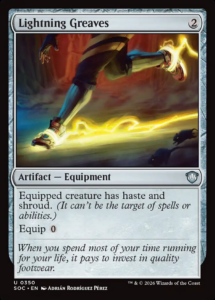
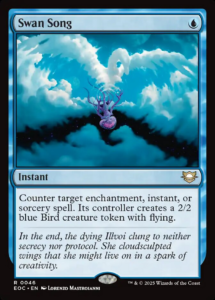
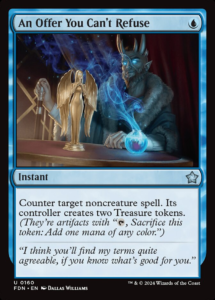
Niv-Mizzet is a high-priority target for removal. Opponents will try to kill him as soon as he appears. Therefore, protection is mandatory. Lightning Greaves and Swiftfoot Boots are excellent for giving him haste and hexproof. This allows him to attack and deal damage immediately. Countermagic also serves as a protective layer. Holding up mana for a Swan Song or An Offer You Can’t Refuse can save the game. If the commander stays on the board for more than one rotation, the advantage becomes hard to overcome. Protection ensures the deck’s primary engine keeps running.
Amplifying Damage and Draw
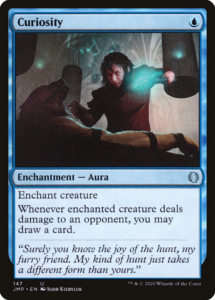
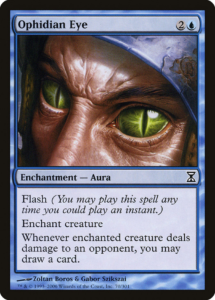
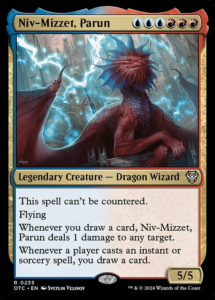
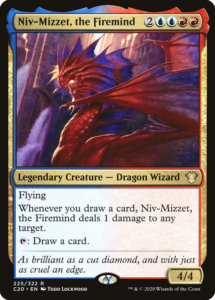
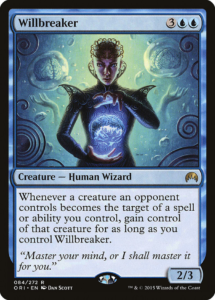
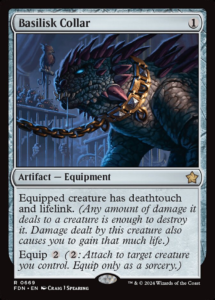
To maximize the Dracogenius, we can use cards that increase damage or draw triggers. Curiosity and Ophidian Eye are classic choices. When attached to the commander, they create a very powerful draw engine. Note that this specific Niv-Mizzet does not go “infinite” with these cards like his predecessor, the Firemind. However, they still provide massive value. Willbreaker is another fun addition. It allows you to take control of any creature you ping with Niv-Mizzet’s ability. Basilisk Collar is also a top-tier inclusion. Giving the dragon deathtouch means you can spend two mana to destroy any creature on the board. This turns your commander into a lethal machine of pinpoint removal.
Closing the Game
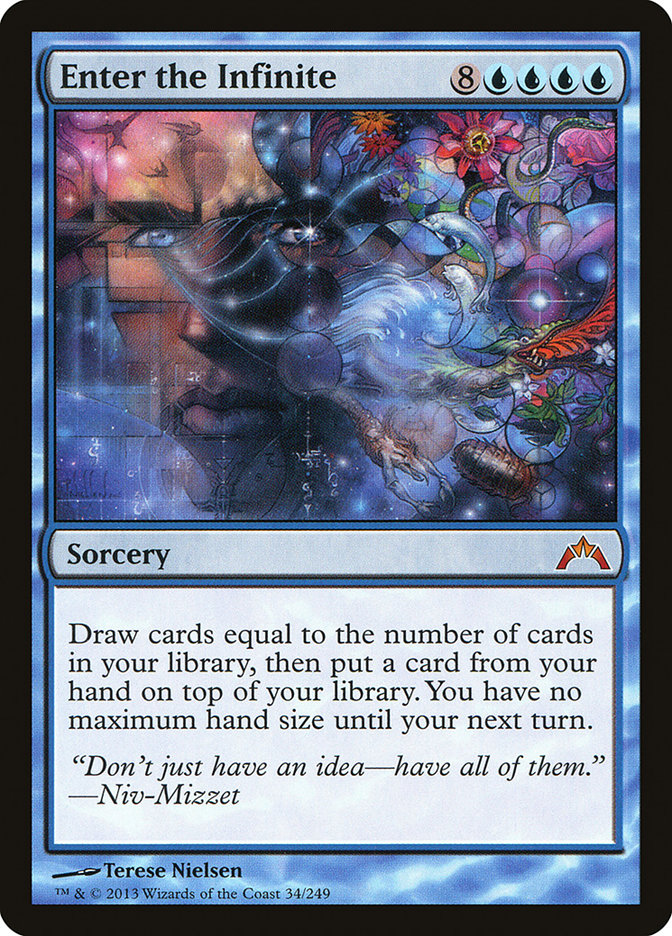
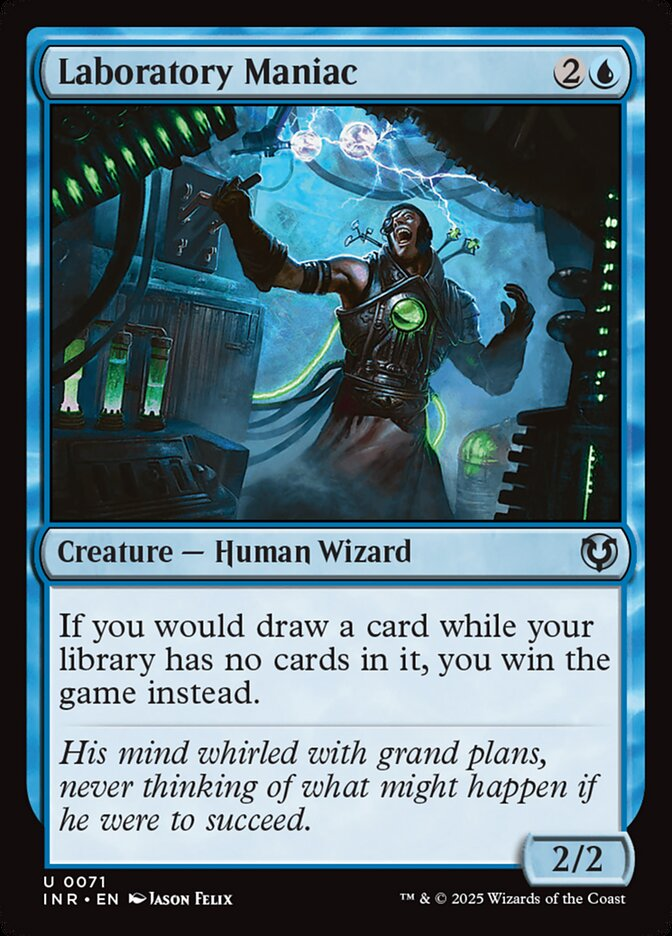
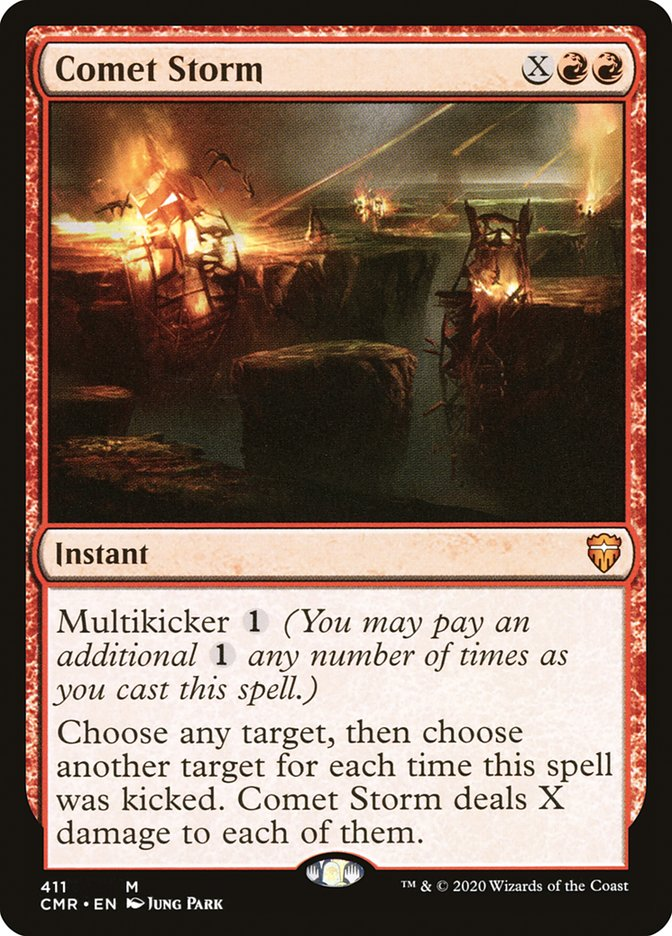
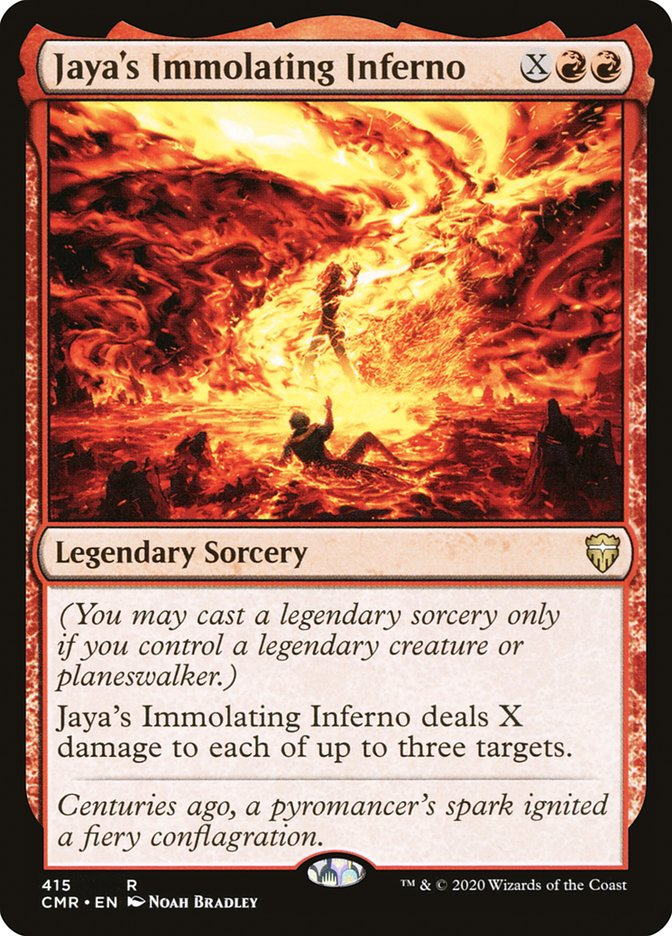
Every deck needs a way to end the game. While the Dracogenius can win through commander damage, other options are helpful. Enter the Infinite and Laboratory Maniac are common finishers in high-level Izzet decks. If you draw your entire deck, you win the game. Alternatively, spells like Comet Storm or Jaya’s Immolating Inferno can use excess mana to burn out the table. These cards provide a clear exit strategy. They ensure the game does not drag on indefinitely once you have established control.
Conclusion
Building a Niv-Mizzet, Dracogenius deck is an exercise in strategic depth. It requires a blend of mana ramp, protection, and synergistic spells. By focusing on the dragon’s ability to turn mana into cards, players can dominate the late game. Whether you choose a control or spellslinger path, the core principles remain the same. You must value mana efficiency and protect your engine at all costs. The Izzet League is known for its brilliant inventions and chaotic energy. With the Dracogenius at the helm, your deck will embody both traits. You will find that the dragon is not just a creature, but a total game plan. This approach will lead to a rewarding and intellectually stimulating experience at the table. Success in Magic often comes down to who can draw the most cards and use them best. With Niv-Mizzet, that player will almost always be you.