
Each year brings thousands of new cards and dozens of fresh mechanics. This constant influx of content can make older keywords feel obsolete. However, a professional analysis of the current meta-game shows a different story. Many older keywords remain highly effective in multiplayer settings. These mechanics often provide more value than modern gimmicks because they take advantage of the specific rules of the Commander format.
Convoke
If you buy from these links we will receive a small commission
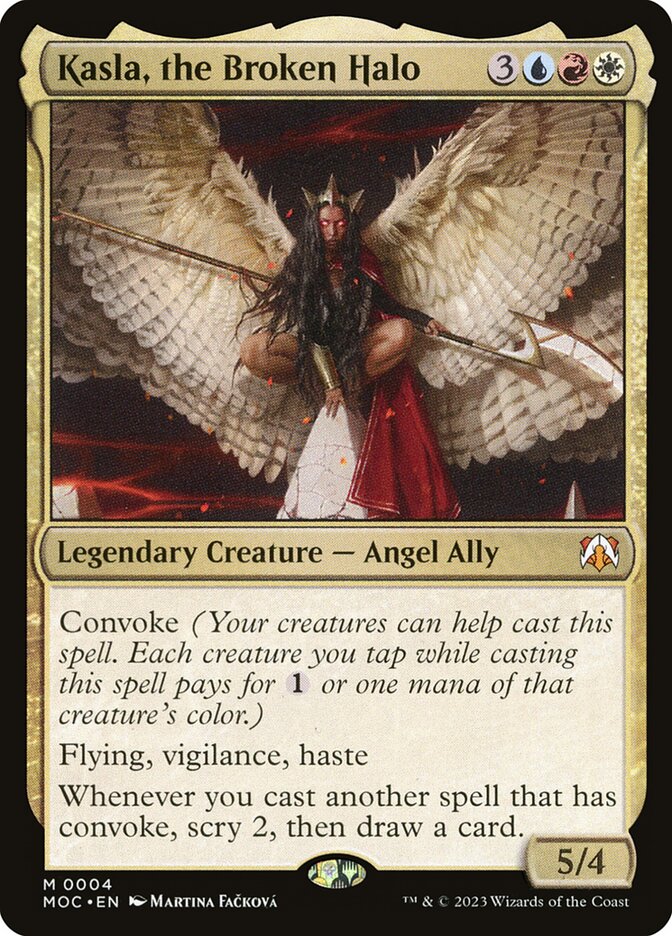
Convoke is a mechanic that first appeared in 2005. It allows a player to tap their creatures to help pay for a spell. Each creature tapped reduces the cost of the spell by one mana. In a format where mana efficiency is the key to winning, convoke remains a powerhouse. Recent releases have brought this keyword back into the spotlight. These cards allow players to cast large spells without tapping their lands. This leaves mana open for defensive plays or additional threats.
The true strength of convoke lies in its synergy with token strategies. In Commander, it is common to have a large board of small creatures. Using these creatures as mana sources is a great way to stay ahead of the curve. Players find that casting a five-mana spell for zero mana is a huge advantage. It breaks the traditional rules of the mana curve. As long as players continue to build wide boards, convoke will remain one of the best ways to cheat on mana costs.
Cascade
If you buy from these links we will receive a small commission
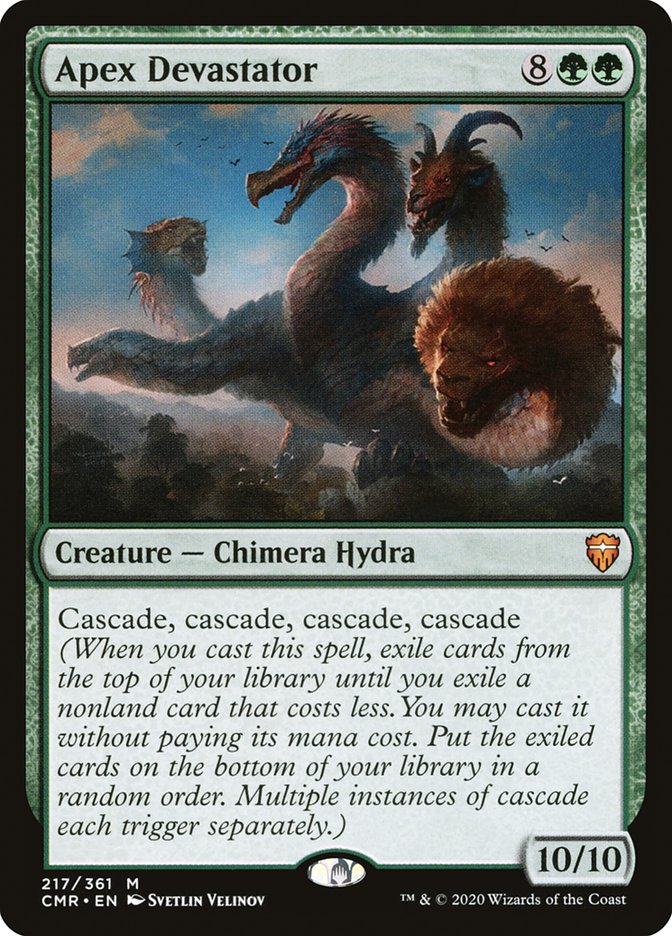
Cascade is a mechanic that creates a lot of excitement at the table. When you cast a spell with cascade, you reveal cards from the top of your deck until you hit a cheaper non-land card. You then get to cast that card for free. This keyword is famous for its high power level and its ability to create massive board states out of nowhere. The release of specialized Commander decks has kept cascade relevant for modern players.
One reason cascade is so strong is that it provides a “two-for-one” value. You get the spell you paid for plus a random bonus spell. In a four-player game, card advantage is vital. Cascade ensures that you are getting more out of your turns than your opponents are. Recent card designs have also helped minimize the randomness of cascade. Players now use specific deck-building techniques to ensure they hit the best possible spells. This turns a high-variance mechanic into a reliable tool for victory. Whether it is a big creature or a vital utility spell, cascade consistently delivers high impact for its cost.
Proliferate
If you buy from these links we will receive a small commission
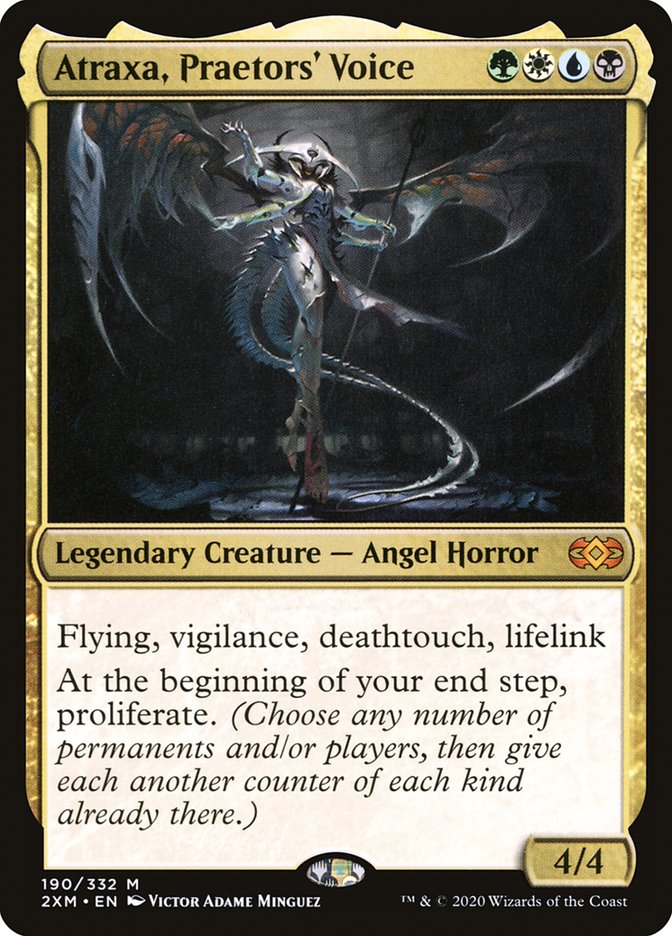
Proliferate is a mechanic that has grown significantly in power over time. When you proliferate, you choose any number of permanents or players with a counter and give them another one. This was once a niche ability, but it is now a staple of the Commander format.
The versatility of proliferate is what makes it a dominant force. It can be used to grow your creatures with +1/+1 counters. It can be used to speed up the ultimate abilities of planeswalkers. It can even be used to win the game through poison counters. The recent meta-game has shown that decks focusing on proliferate are very resilient. Because the mechanic affects all counters at once, the value grows exponentially with the size of the board. It is a mechanic that rewards long-term planning and provides a steady stream of incremental advantages.
Myriad

If you buy from these links we will receive a small commission
Myriad is a mechanic designed specifically for multiplayer games. When a creature with myriad attacks, it creates copies of itself that attack every other opponent. This solves one of the biggest problems in Commander: the need to deal damage to three different people at once. While myriad is not in every set, its presence in recent Commander-focused products has made it a favorite for aggressive players. It allows a single creature to represent a massive amount of damage across the entire table.
The professional consensus is that myriad is one of the most efficient keywords for closing out games. It forces every opponent to have a blocker or take damage. Furthermore, the “enter the battlefield” triggers of the tokens can be used for extra value. Recent decks have used myriad creatures to trigger powerful effects multiple times in a single combat phase. This scaling makes the mechanic much better than simple keywords like flying or trample. In a four-player game, myriad effectively triples the power of your creature for the duration of the attack.
Phasing
If you buy from these links we will receive a small commission
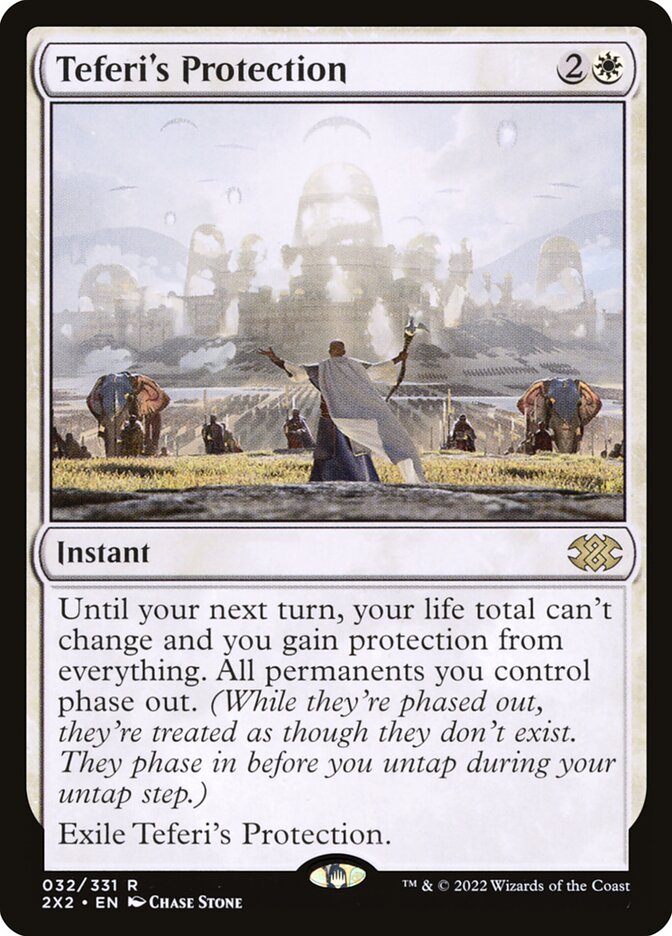
Phasing is an old and often confusing mechanic that has become a premier defensive tool. When a permanent phases out, it is treated as though it does not exist until its owner’s next turn. This is different from “flickering” or “blinking” because the card never actually leaves the battlefield. This means that tokens are not destroyed, and any auras or equipment attached to the creature stay on it. In the last year, more players have realized that phasing is the best way to protect their board from a wipe.
Cards that use phasing, such as Teferi’s Protection or newer versions seen in recent sets, are now standard in high-level play. As board wipes become more common, the ability to simply “vanish” for a turn is invaluable. Phasing avoids many of the pitfalls of traditional protection. It gets around spells that say “cannot be regenerated” or “cannot be sacrificed.” It is a clean, effective way to ensure your strategy stays intact. Professional players value this keyword because it provides a level of safety that other mechanics cannot match.