Players typically use mana to pay for their spells. This cost acts as a balancing force for the game. It limits how much a player can do in one turn. However, the most powerful spells in the history of the game often ignore this rule. These are known as free spells. They allow a player to act without spending mana. This creates a significant advantage in tempo. In the last nine months, the game has seen a major shift in how these spells are designed and used. New cards from recent sets have changed the competitive landscape. Understanding these spells is vital for any serious player.
Efficiency in Magic is measured by the impact of a card relative to its cost. A spell that costs zero mana has infinite theoretical efficiency. The history of the game is defined by these cards. Early examples like Force of Will set the standard. These cards require a player to exile a card from their hand instead of paying mana. This is a trade of card advantage for time. Over the last year, this trade has become more complex. Modern design now uses different types of alternate costs. These costs often involve sacrificing permanents or discarding specific card types. The goal remains the same. Players want to interact with their opponent even when they are tapped out. This ability to react at any time is what makes free spells so dominant in modern play.
the Flare Cycle
If you buy from these links we will receive a small commission
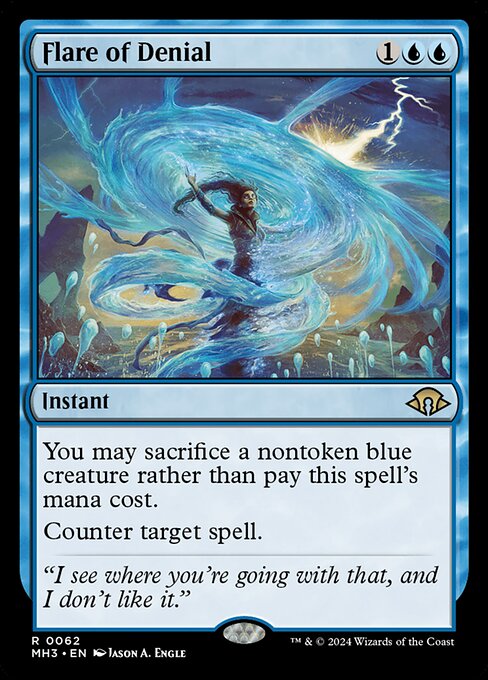
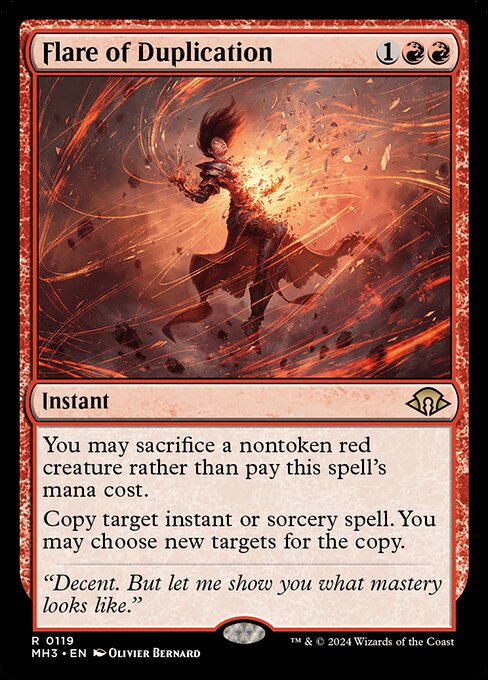
Each color received a Flare spell that can be cast for free by sacrificing a non-token creature of that color. This is a new take on the free spell mechanic. It requires a board presence rather than a card in hand. Flare of Denial is perhaps the most notable card in this group. It is a blue counterspell that can be cast for zero mana if you sacrifice a blue creature. This is highly efficient for decks that play low-cost creatures. It allows a player to tap out for a threat and still protect it. The efficiency here is found in the protection of tempo. You do not have to choose between advancing your board and holding up mana for a counter.
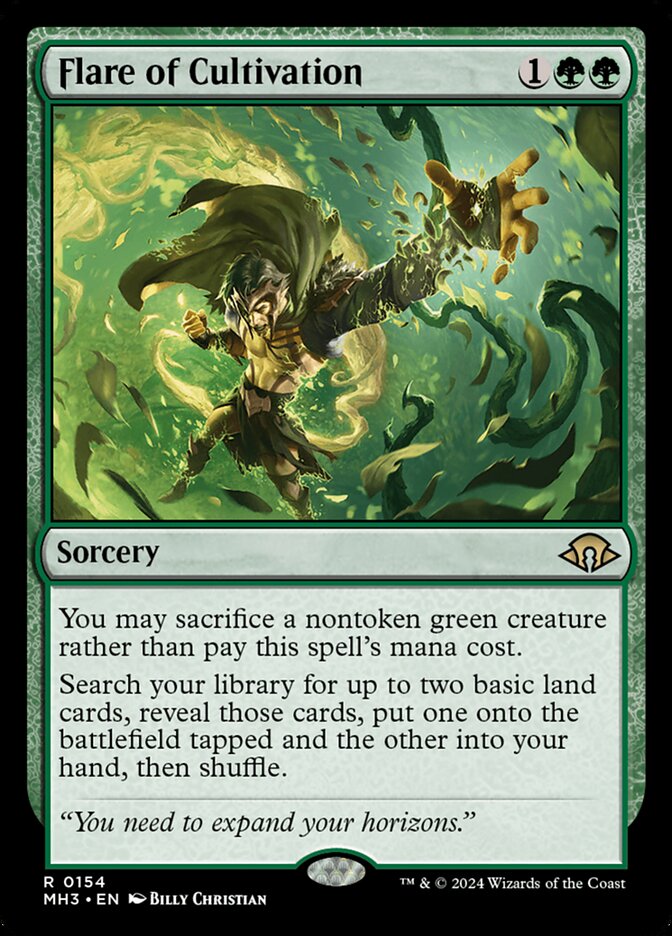
Flare of Cultivation is another powerful entry in this cycle. It is a green spell that searches for two basic lands. If you sacrifice a green creature, it costs zero mana. This allows for explosive starts in mana-heavy decks. A player can play a creature on turn one and then sacrifice it to get two lands immediately. This speeds up the game significantly. The Flare cycle shows that Wizards of the Coast is still exploring the space of free spells. They are moving away from exiling cards from the hand. Now, they are focusing on the sacrifice of permanents. This creates a different type of risk. If the spell is countered, the player loses both the spell and the creature. This adds a layer of strategy to using these efficient tools.
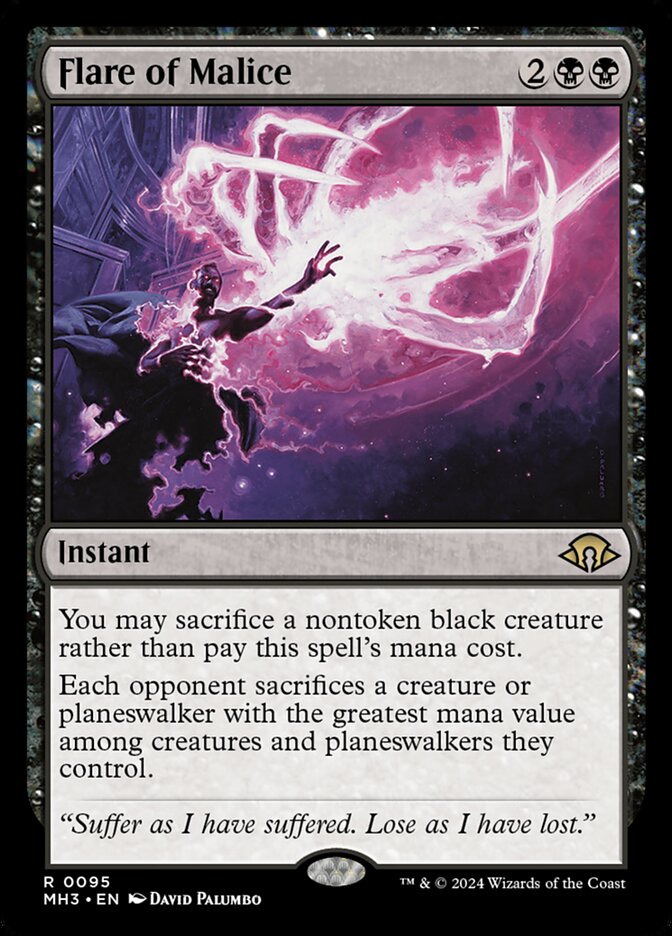
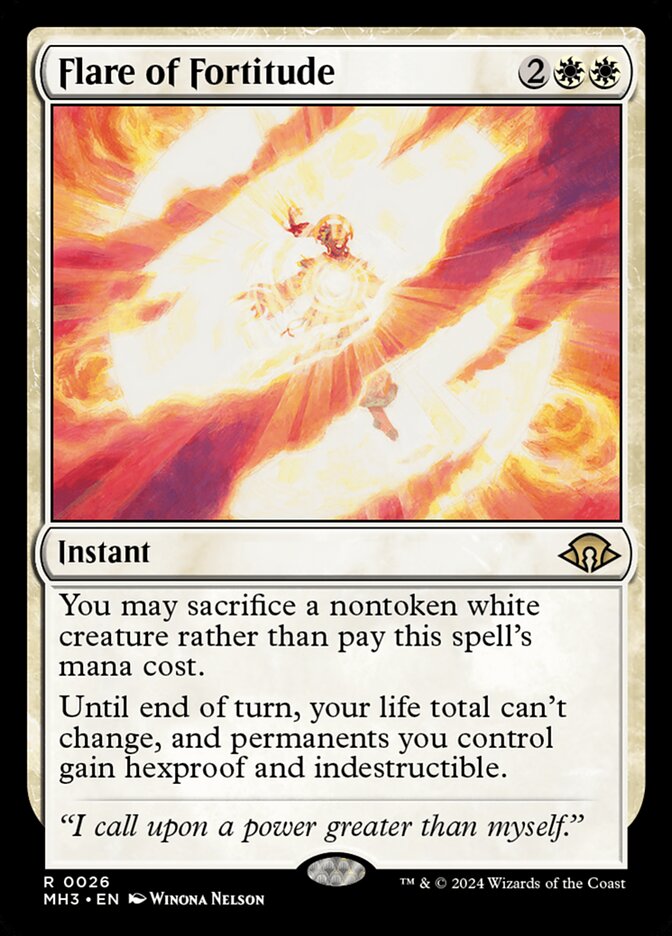
Flare of Malice and Flare of Fortitude offer unique utility for black and white decks. Flare of Malice forces an opponent to sacrifice a creature or planeswalker with the highest mana value. This can remove a major threat for zero mana. It is especially good against decks that rely on one large creature. Flare of Fortitude protects your permanents and your life total for a turn. It is a defensive tool that can be cast for free during an opponent’s turn. Both cards follow the same rule of efficiency. They trade a creature on the board for a powerful effect. These cards have seen immediate testing in professional leagues. They provide a safety net for players who want to commit to the board. This cycle will likely be a staple of the format for the next year.
Implications of Zero-Mana Costs
From a theoretical standpoint, free spells change the nature of the “mana squeeze.” In a standard game, a player must choose how to use their limited mana. This is the heart of the game’s strategy. Free spells remove this choice. They allow a player to do everything at once. This increases the complexity of the game. An opponent must always play around the possibility of a free spell. Even if a player has no mana open, they are not truly defenseless. This leads to a game state where information is as important as mana. You must track what cards your opponent has in their hand and what creatures they have on the board. The efficiency of these spells creates a high ceiling for skill. Only the best players can correctly predict when a free spell is coming.
However, some critics argue that these spells hurt the game. They claim that free spells make the game too fast. When players can act for zero mana, the early turns become much more important. This can lead to non-games where one player wins before the other can react. The ban of Fury was a response to this concern. It was a sign that some free spells are simply too efficient for a healthy meta. The challenge for game designers is to find a balance. They want to provide players with tools for interaction. But they do not want to make mana irrelevant. The recent shifts in design show an attempt to find this middle ground. By requiring a creature sacrifice, the new Flares are more balanced than previous free spells.
Conclusion
The most efficient free spells in the history of Magic are those that define their era. In the last nine months, we have seen a transition from the dominance of the Evoke Elementals to the introduction of the Flare cycle. The ban of cards like Fury and Up the Beanstalk shows that there is a limit to how much efficiency the game can handle. Free spells are essential for high-level play. They provide the interaction needed to stop fast combo decks. They also allow for deeper strategic depth. However, they must come with a real cost. Whether it is exiling a card or sacrificing a creature, the price must be fair. As we move further into 2024, the Flares will likely become the new standard for efficiency. Players who master these spells will find the most success in the modern competitive environment.