In Magic: The Gathering, the term salt refers to the feeling of frustration. This emotion often comes from players who feel they cannot play the game. Magic is a game of skill and strategy. However, it is also a social game. In multiplayer games like Commander, the way you play affects how others treat you. Some cards are known to cause high levels of salt. When you play these cards, you often become the main target. Other players may team up to remove you from the game.
Understanding the salt score is vital for any player. This score comes from community votes on sites like EDHREC. It shows which cards players dislike the most. High salt scores usually mean the card stops others from playing. If you put these cards in your deck, you must be ready. You will likely face a three-on-one fight. This is because your deck is seen as a threat to the fun of the table. To play well, you must know which cards trigger this response.
The Psychology of Player Agency
The main reason cards cause salt is the loss of agency. Agency is the ability of a player to make choices. In a typical game, players spend mana to cast spells. They move their pieces forward to win. When a card takes away this power, the game stops being a back-and-forth trade. It becomes a one-sided event. This shift creates a sense of helplessness. Psychologically, humans do not like feeling helpless. In a game meant for fun, this feeling is even worse.
The social contract is an unwritten rule in many Magic circles. It states that everyone should have a chance to participate. This does not mean everyone should win. It means everyone should be able to play their cards. Cards that break this rule are the most hated. They do not just win the game; they stop the game from happening. This is why these cards lead to players being targeted first. The table views the salt-inducing player as a barrier to their enjoyment. Removing that player is the only way to restore the game flow.
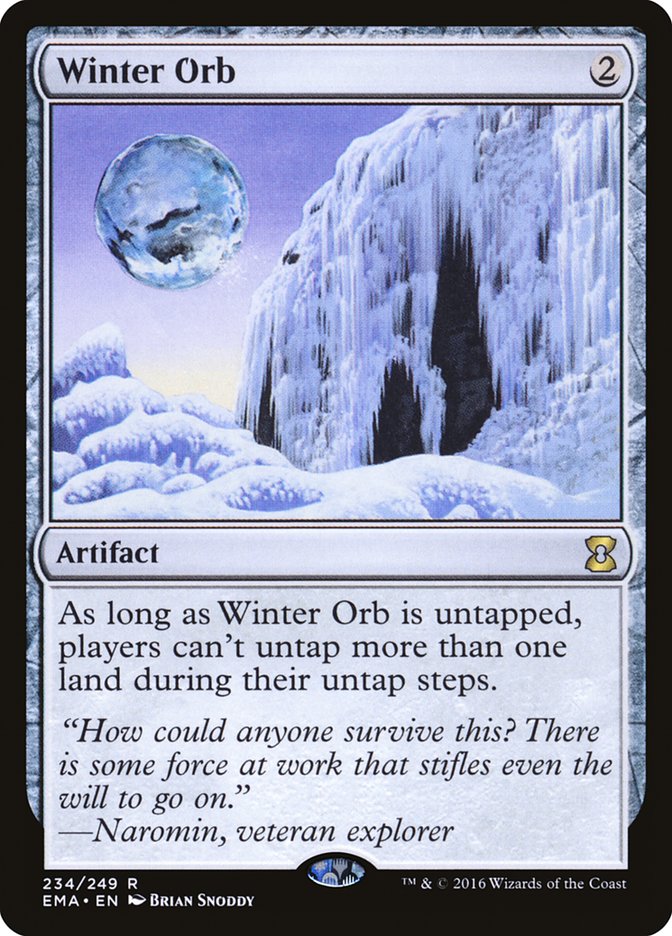
Winter Orb
If you buy from these links we will receive a small commission
Winter Orb is a classic example of resource denial. It limits how many lands a player can untap. In Magic, lands are the lifeblood of every deck. Without mana, you cannot cast spells. When Winter Orb hits the table, the game slows to a crawl. Players who were ready to execute big plays are suddenly stuck. This card is cheap to cast but has a massive impact. It creates a state where only the person who played it is likely to move forward. Because it stops everyone equally, the other three players often form an alliance to destroy it and the player who cast it.
Stasis
If you buy from these links we will receive a small commission
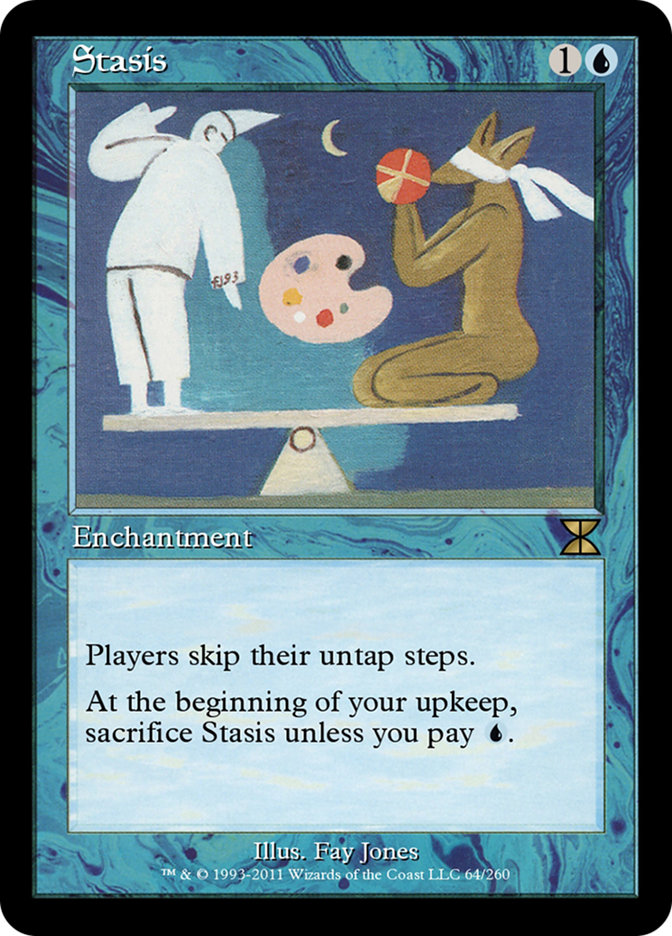
Stasis takes resource denial a step further. It stops the untap step entirely. Unless you have a specific way to pay its cost, the game freezes. This is often called a hard lock. Players sit with their cards in hand and cannot do anything. From an academic view, this removes the interactive element of the game. Magic is designed to be interactive. Stasis is the opposite of interaction. It is a wall. Players who use Stasis are often seen as villains. They are targeted first because their deck’s goal is to prevent the game from being played.
Tergrid God of Fright
If you buy from these links we will receive a small commission
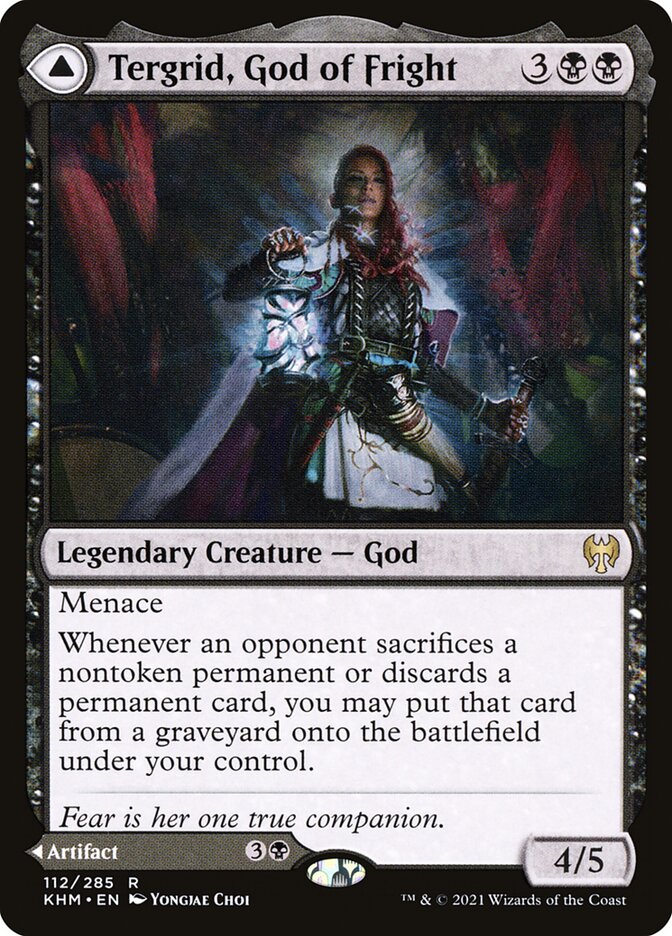
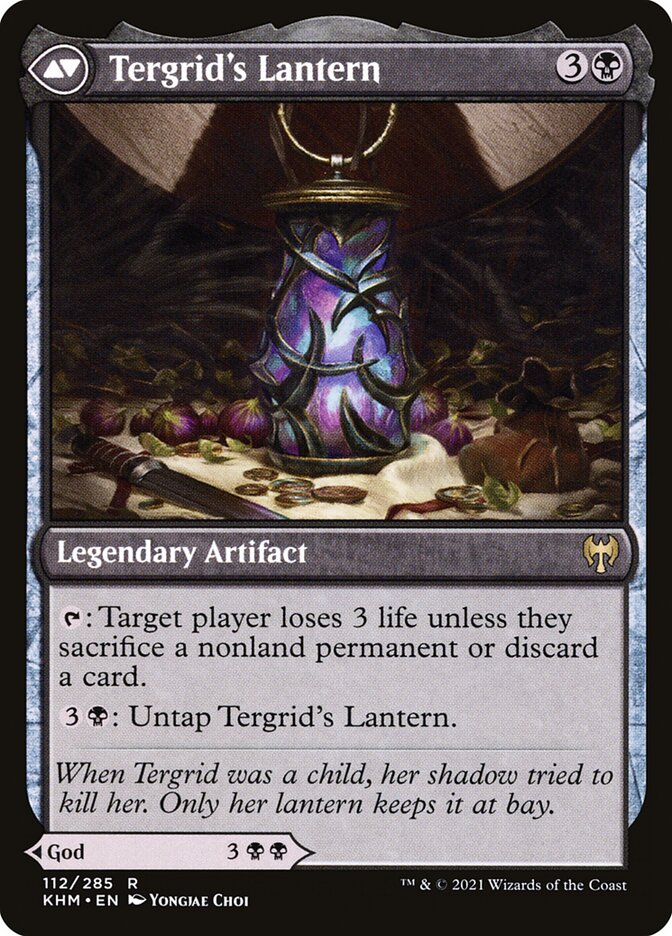
Tergrid is a newer card that has quickly become a top source of salt. Her ability allows you to take any card an opponent discards or sacrifices. This is a double penalty. First, the opponent loses a resource. Second, you gain that resource for free. This creates a massive swing in power. Players feel a deep sense of loss when their own cards are used against them. It feels personal. Tergrid encourages a playstyle that focuses on making others suffer. This makes her one of the most feared and hated commanders in the current meta.
Sen Triplets
If you buy from these links we will receive a small commission
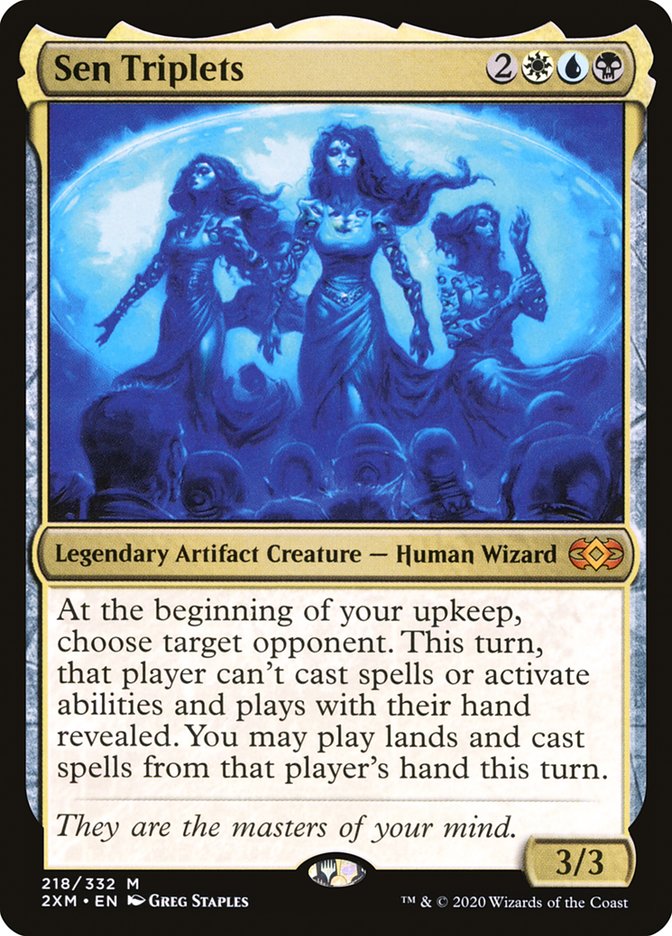
Sen Triplets allows you to play cards from an opponent’s hand. This removes the privacy and the plan of that player. In Magic, your hand is your secret strategy. When someone else can reach into your hand and use your spells, it feels like an invasion. The Triplets also stop that player from casting spells on your turn. This total control is a recipe for high salt. If you sit down with Sen Triplets, the other players will likely attack you before you can even take your first turn. They do this to protect their own cards and their ability to play.
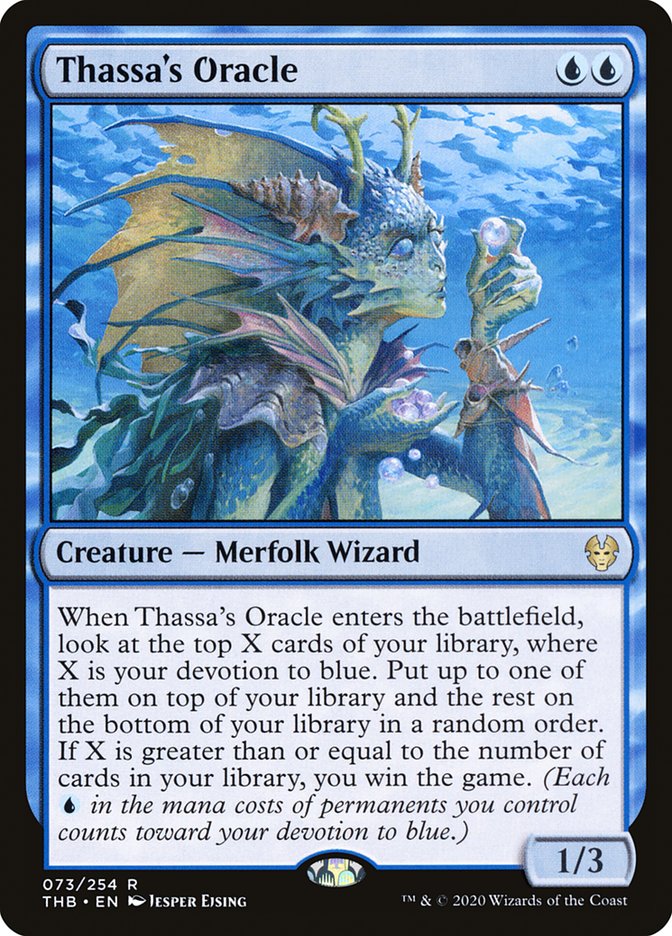
Thassa’s Oracle
If you buy from these links we will receive a small commission
Thassa’s Oracle is a card that wins the game on the spot if your library is empty. This card is often used with spells that exile the entire deck. This combo can happen very early in a game. The problem here is the lack of a board state. Usually, you win by attacking or having more creatures. The Oracle ignores the creatures, the life totals, and the board. It feels like a button that just ends the game. Players find this unsatisfying. It leaves them feeling that their efforts throughout the game did not matter. This lead to a high salt score because the win feels unearned in a social setting.
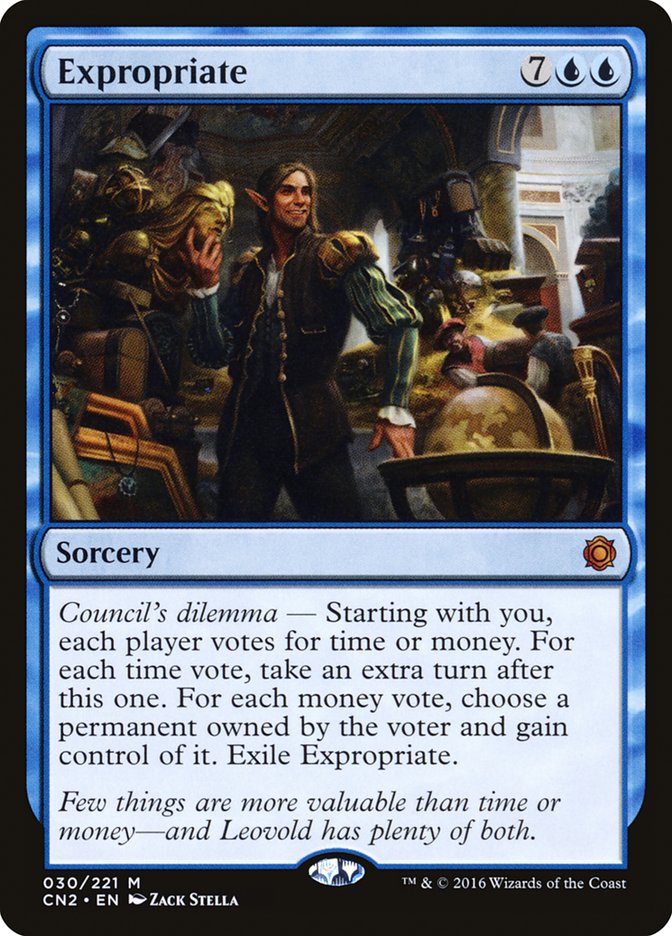
Expropriate
If you buy from these links we will receive a small commission
Expropriate is a spell that lets you take extra turns or steal permanents. It uses a voting system, but the choices are always bad for the opponents. Extra turns are a major source of salt. While one player takes five minutes to play their turn, everyone else just watches. It turns a multiplayer game into a solo game. If you cast Expropriate, you are essentially telling the table that they do not get to play for a while. This leads to immediate targeting. Players would rather lose the game quickly than watch one person take three turns in a row.
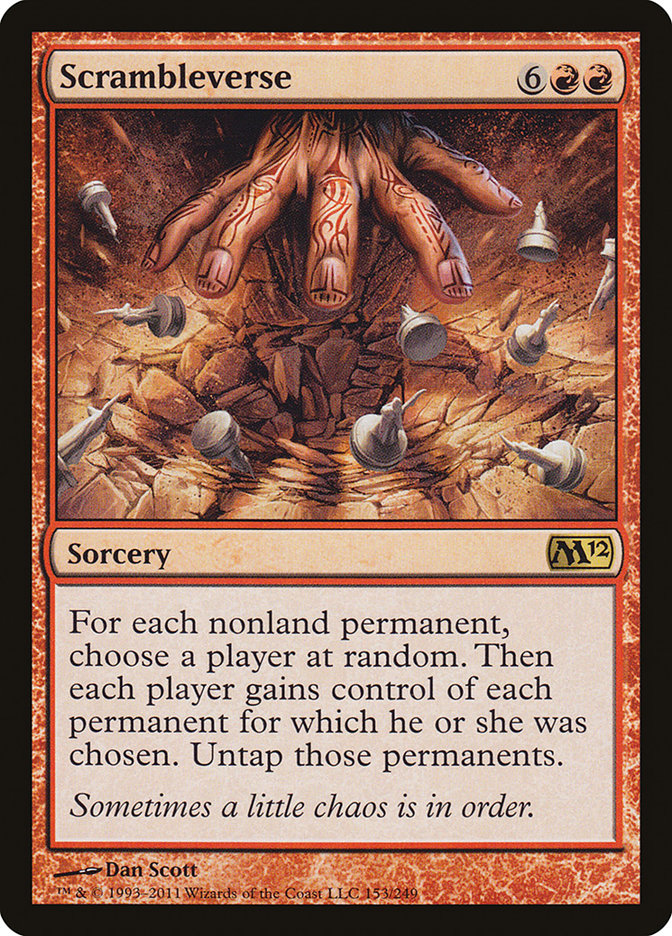
Scrambleverse
If you buy from these links we will receive a small commission
Some cards do not stop the game but make it messy. Scrambleverse makes every player trade all their items randomly. This ruins any strategy that was built up over an hour of play. While some find this funny, most find it annoying. It adds a long time to the game just to move pieces around. It removes the skill from the game and replaces it with a coin flip. Players who value their time and strategy will target chaos players first to ensure the game remains stable and fair.
Conclusion
Magic: The Gathering is more than just a card game. It is a social contract between friends and strangers. The cards mentioned here are powerful, but they come with a social cost. When you choose to play cards that deny resources or take away control, you change the dynamic of the table. You are no longer just a player; you are a challenge that must be overcome. This is why you get targeted first. Understanding these salt-inducing cards helps you build better decks. It also helps you understand the emotions of your friends. If your goal is to win at all costs, these cards are for you. But if your goal is to have a fun social night, you might want to leave the Winter Orb at home. Balancing power and fun is the key to a long life in the game of Magic.