The 8×8 Theory is a well-known method for building decks in the Magic: The Gathering Commander format. This method helps players manage the large number of cards required for a 100-card deck. By breaking the deck down into smaller parts, the process becomes less complex. It allows a player to focus on the core functions of their deck. This approach ensures that the deck remains balanced and consistent during play. For many years, this theory has served as a primary guide for both new and expert players in the community.
Magic the Gathering is a game of skill and deck design. In the Commander format, players use 100 unique cards. This makes building a deck a very big task. Many players feel lost when they look at thousands of card options. The 8×8 Theory is a tool that solves this problem. It gives players a clear map to follow. By using this method, anyone can build a balanced deck that works well. It turns a giant list of cards into a small set of simple choices.
The 8×8 Theory first appeared on community sites like MTG Goldfish and various deckbuilding blogs. It gained popularity because it is very easy to use. Instead of looking at 100 separate choices, you look at eight small choices. This change in perspective makes the process much faster. It also helps players avoid common mistakes like forgetting to add enough mana sources. It is a classic way to start any new project in the world of Magic. Many players find that this structure leads to more wins and more fun.
The Quantitative Framework of the Theory
The basic structure of the theory is simple math. A Commander deck must have exactly 100 cards. One of these cards is your leader, which is called the Commander. This leaves 99 cards for the rest of the deck. The theory suggests setting aside 35 slots for lands. Lands are the most important part of the game because they provide mana. After you set aside the lands, you have 64 slots remaining for spells and creatures. This is where the core of the theory begins.
These 64 slots are then divided into eight distinct categories. Each category contains eight cards that perform a similar function. This creates a focused and reliable deck. By picking eight themes or roles, you ensure the deck has variety but remains stable. You can think of these categories as building blocks. When you put them together, they form a complete and strong machine for your games. This method prevents the deck from feeling like a random pile of cards.
Essential Categories for Balanced Gameplay
Defining the Function of Cards
The first major category is card draw. Every deck needs a way to get more cards into their hand. If you run out of cards, you cannot play the game effectively. By including eight card draw spells, you make sure you always have options. You might use spells that draw cards all at once or items that draw cards over time. This category keeps your engine running from start to finish. Without enough draw, a deck will often stall out in the middle of a game.
The second essential category is mana ramp. This includes cards like Sol Ring or Arcane Signet. These cards help you get more mana than your lands provide alone. In a game of Commander, being ahead on mana is a huge advantage. If you have eight ramp cards, you will likely have one in your starting hand. This allows you to play your big spells much sooner than your opponents can. Mana ramp is the foundation of almost every successful deck on sites like EDHREC.
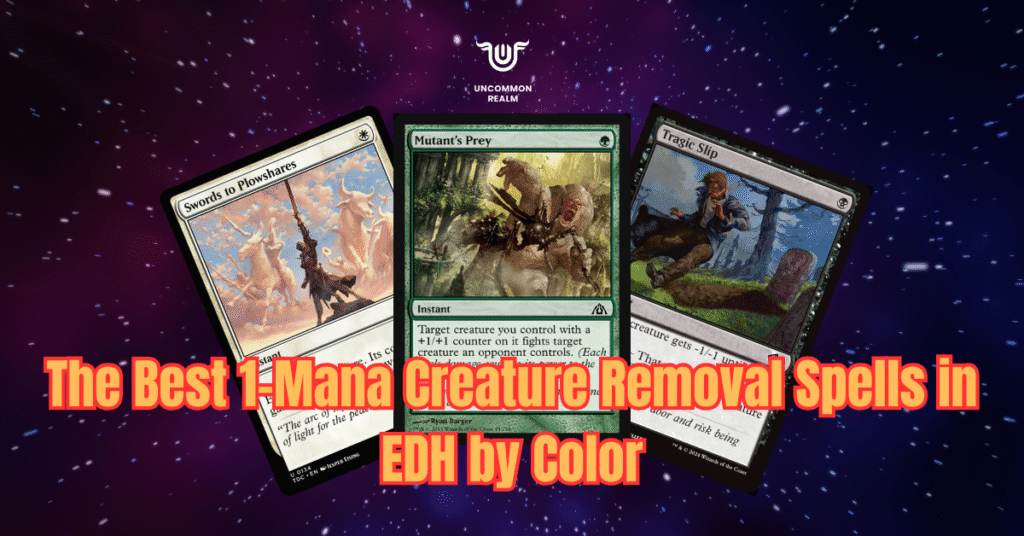
The third category is interaction and removal. You must be able to stop your opponents’ plans. This includes cards that destroy creatures or counter spells. A deck with no removal is very easy for others to beat. By dedicating eight slots to interaction, you can protect yourself. You should mix single target removal with spells that clear the entire board. This balance is key to surviving the mid-game when threats become very large. It ensures you are never helpless during a match.
Statistical Benefits and Modern Probability
The reason the number eight is used comes from basic probability. In a deck of 99 cards, having eight copies of an effect is powerful. It means you have a high chance of seeing that effect early. In a 60-card deck, players often use four copies of a card. Since Commander decks are larger, eight is the equivalent number for consistency. This math ensures that your deck does what it is supposed to do. It reduces the chance of having a hand with no useful spells.
Modern tools like MTG Stocks help players fill these categories with the right cards. You can look up your Commander and see what cards other people use. You can then group those suggestions into your eight categories. This helps you find the best removal or the best ramp for your specific colors. Using data makes your deck even more efficient. It allows you to build a deck that can compete with the best players in your local group. The theory provides the skeleton, and the data provides the muscle.
Flexibility and Final Adjustments
Some players worry that 35 lands is not enough for their needs. This is where the theory can be changed. While 35 is a good start, some decks might need 38 lands. If you add more lands, you simply reduce the number of cards in your categories. You might have some categories with seven cards instead of eight. The 8×8 Theory is a guide, not a strict set of laws. It is meant to be a helpful starting point that you can adjust as you learn more about your deck.
In conclusion, the 8×8 Theory is a vital part of Magic history. It simplifies the complex task of 100-card deckbuilding. By focusing on categories and basic math, players can create decks that are fun and consistent. Whether you use sites like MTG Goldfish for inspiration or build from your own collection, this theory is a great help. It turns the vast world of Magic cards into a manageable and exciting challenge. Using this method will help you build better decks and enjoy the game more.