
The strategic landscape of Magic: The Gathering is defined by how players interact with various card types. Enchantments represent one of the most durable and impactful permanent types in the game. These cards often provide continuous benefits or impose restrictive rules on the battlefield. Effective deck building requires a clear understanding of how to manage these threats. This article examines the most efficient enchantment removal options available across the five colors of mana. We will analyze the historical context and the mechanical strengths of each color. By reviewing these tools, players can better prepare for a diverse competitive meta. Understanding the color pie is the first step toward achieving tactical superiority. Strategic depth comes from knowing when and how to deploy these specific answers. This analysis provides a framework for evaluating removal spells based on mana efficiency and versatility.
The Primacy of White Mana in Enchantment Remova
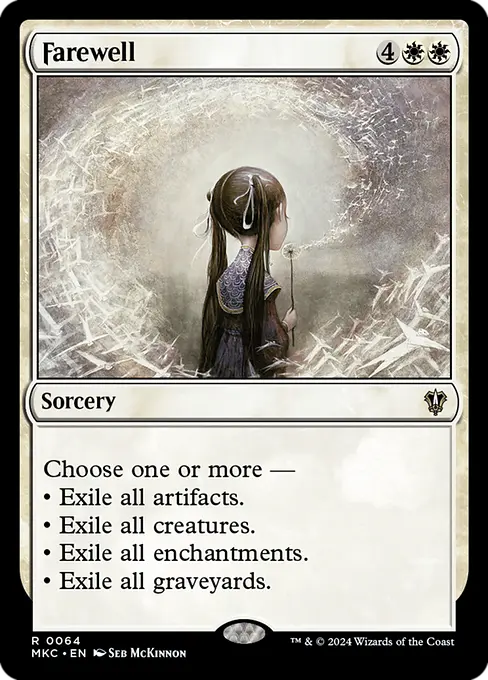
One of the most potent examples of White’s dominance is the card Farewell. This high-cost sorcery allows a player to choose multiple modes of removal. It can exile all artifacts, creatures, graveyards, or enchantments simultaneously. Such a clean sweep is vital in formats like Commander where board states become cluttered.
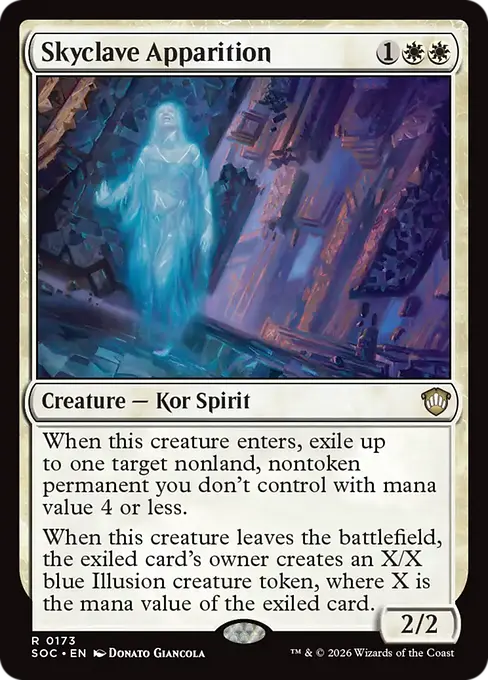
For targeted removal, cards like Skyclave Apparition provide a body while removing a low-cost enchantment. This two-for-one potential is a hallmark of high-level White cards.
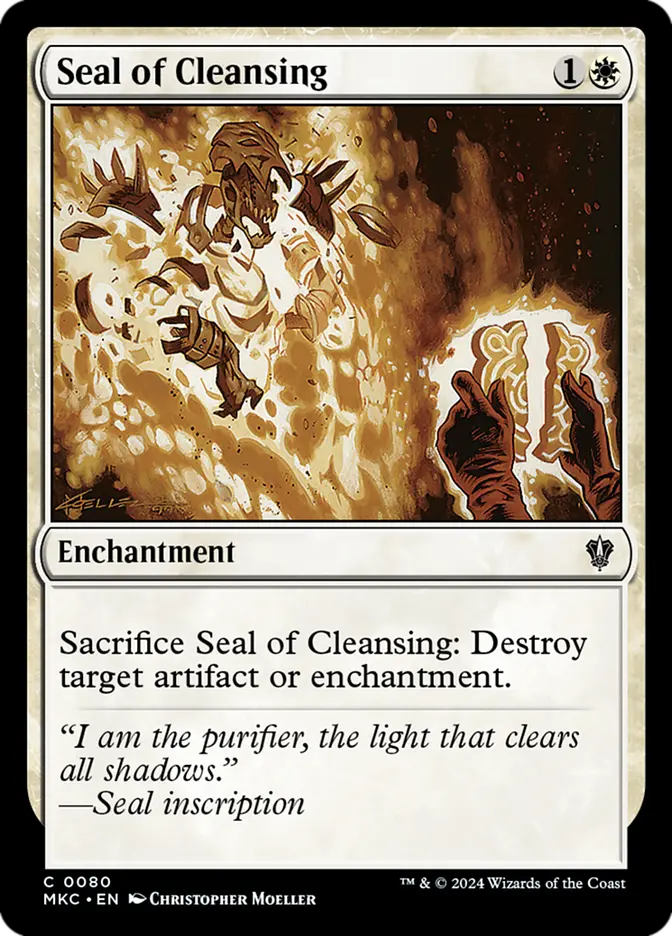
Additionally, Seal of Cleansing allows players to invest mana early and keep a removal threat on the table. This proactive approach forces opponents to play around the visible threat. White remains the most reliable color for players who prioritize removing static enchantments.
Green Mana and the Natural Order
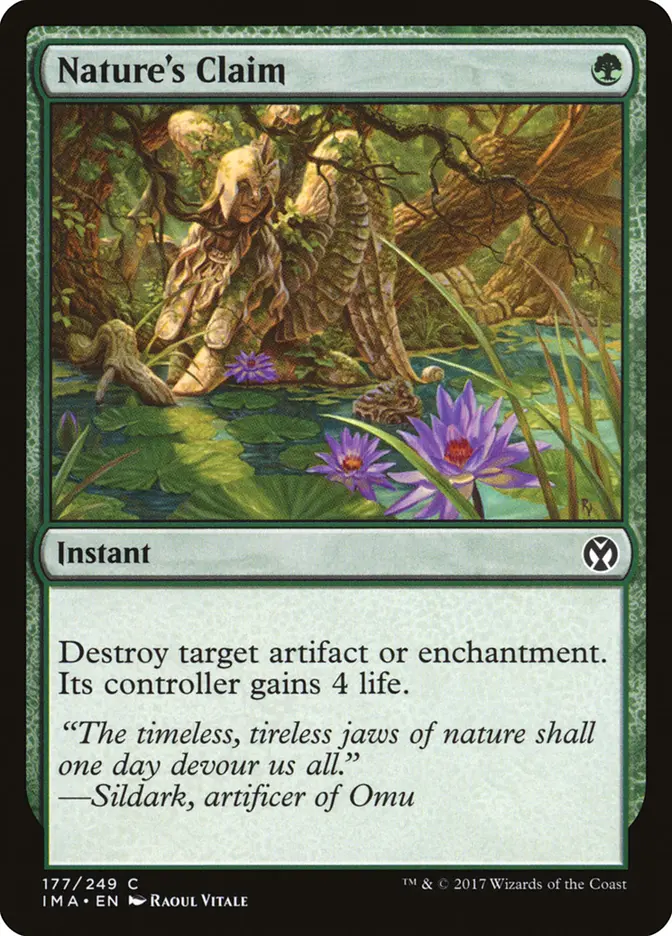
Green is the secondary color for enchantment removal, often viewing these magical constructs as unnatural. Green focuses on restoring the natural world by shattering man-made artifacts and spells. The card Nature’s Claim is perhaps the most mana-efficient removal spell in the game. For a single green mana, it destroys any artifact or enchantment at instant speed. The drawback of the opponent gaining four life is often negligible in competitive play. Efficiency is the key metric for success in fast-paced formats. Green excels at providing these cheap answers to high-impact threats. This allows a Green player to maintain their own board presence while disrupting the opponent.
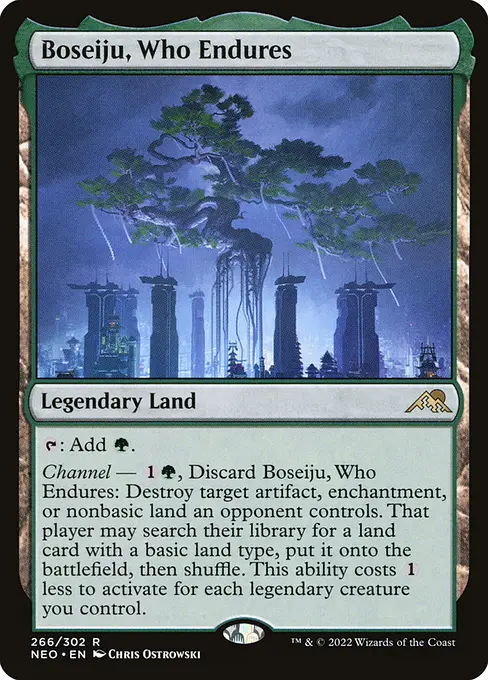
Another significant advancement for Green is the inclusion of removal on creatures and lands. Boseiju, Who Endures is a land card that can be discarded to destroy an enchantment. Because this is an ability and not a spell, it is very difficult to counter. This provides a level of security that traditional spells cannot match.
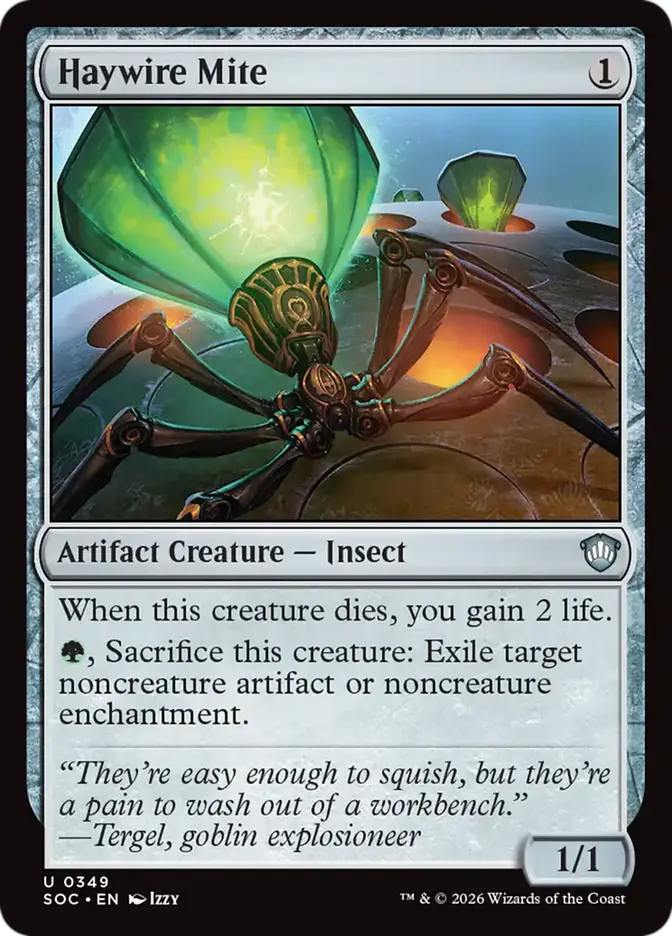
Similarly, Haywire Mite is a small creature that can exile non-creature enchantments for a small cost. Exiling is often better than destroying, as it prevents recursion from the graveyard. Force of Vigor represents the pinnacle of free interaction in Green. By exiling a green card from their hand, a player can destroy two targets for zero mana. This card is essential for stopping explosive starts from enchantment-based decks.
Black Mana and the Philosophical Shift
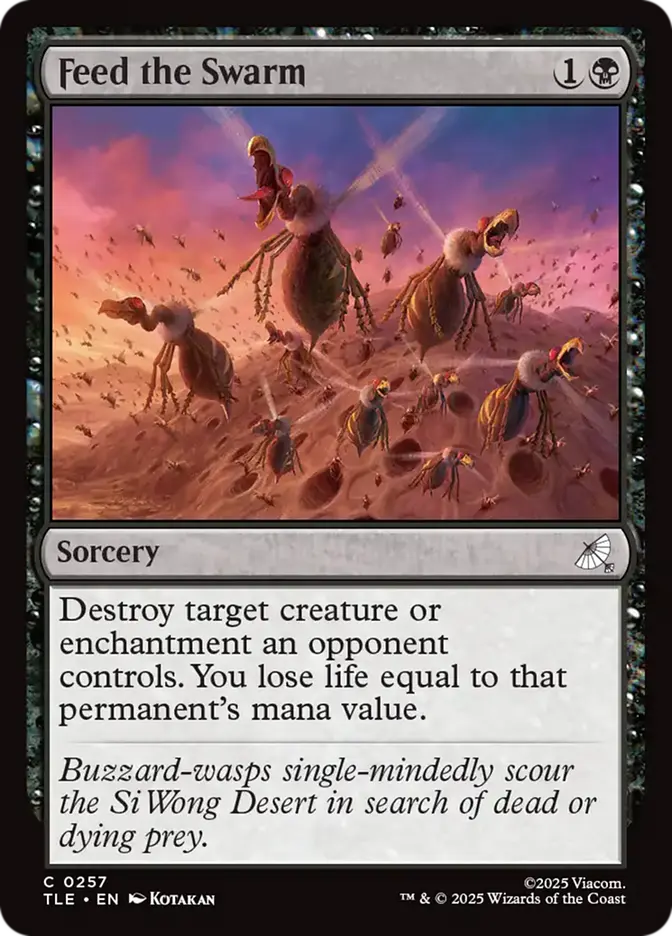
For much of the history of the game, Black mana had a distinct weakness: it could not touch enchantments. This was a deliberate design choice to ensure that Black had clear vulnerabilities. However, the modern era of Magic has seen a shift in this philosophy. Designers realized that all colors need some way to interact with the board in solo play. Black now has access to specific cards that target enchantments, though usually at a cost. Feed the Swarm is the most notable example of this change. It allows a player to destroy a creature or enchantment at the cost of life equal to the card’s mana value. This aligns with Black’s theme of power at any price.
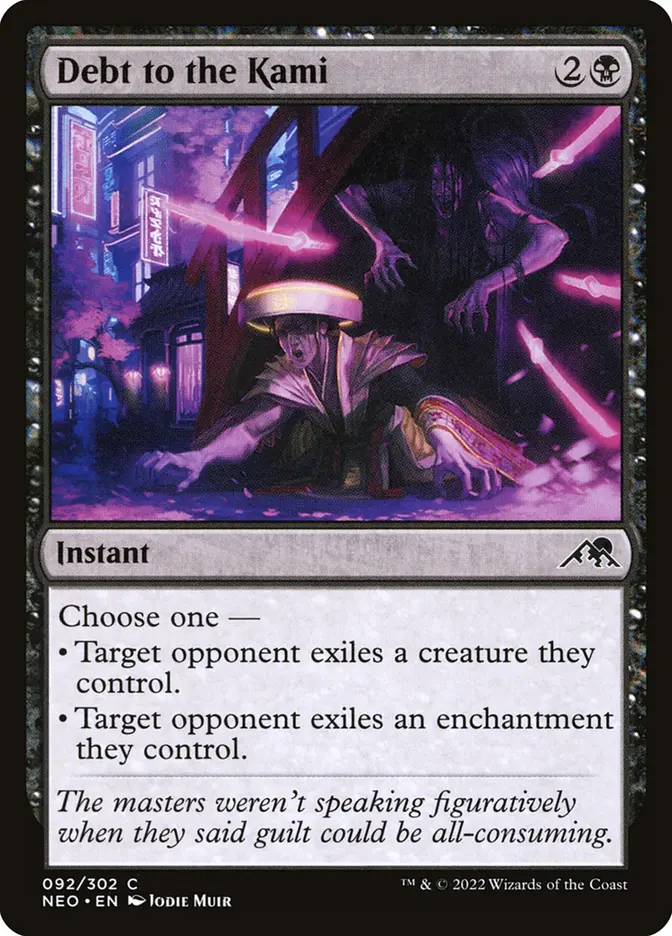
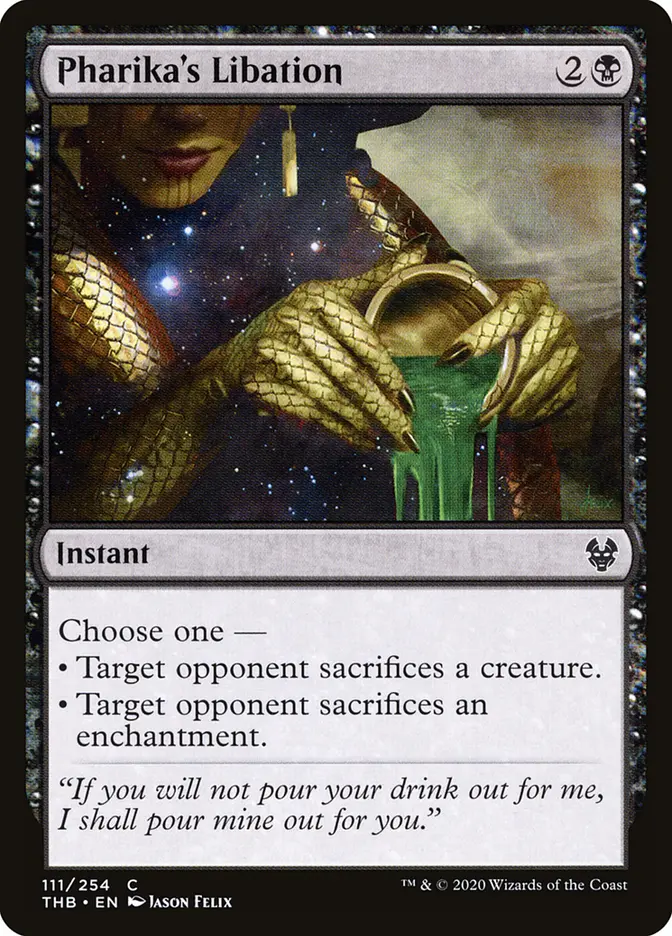
Despite this new access, Black remains less efficient than White or Green. Most Black enchantment removal is sorcery speed, which limits its utility against sudden threats. Debt to the Kami and Pharika’s Libation offer an alternative approach by forcing an opponent to sacrifice an enchantment. This can bypass “Hexproof” or “Indestructible” keywords. However, the opponent chooses which card to lose, which makes these spells less reliable. If the opponent has multiple enchantments, they will sacrifice the least valuable one. Therefore, Black players must use their resources carefully. They should pair these spells with hand disruption to discard enchantments before they are ever cast.
Blue and Red Mana: Indirect Interaction
Blue and the Art of Bouncing
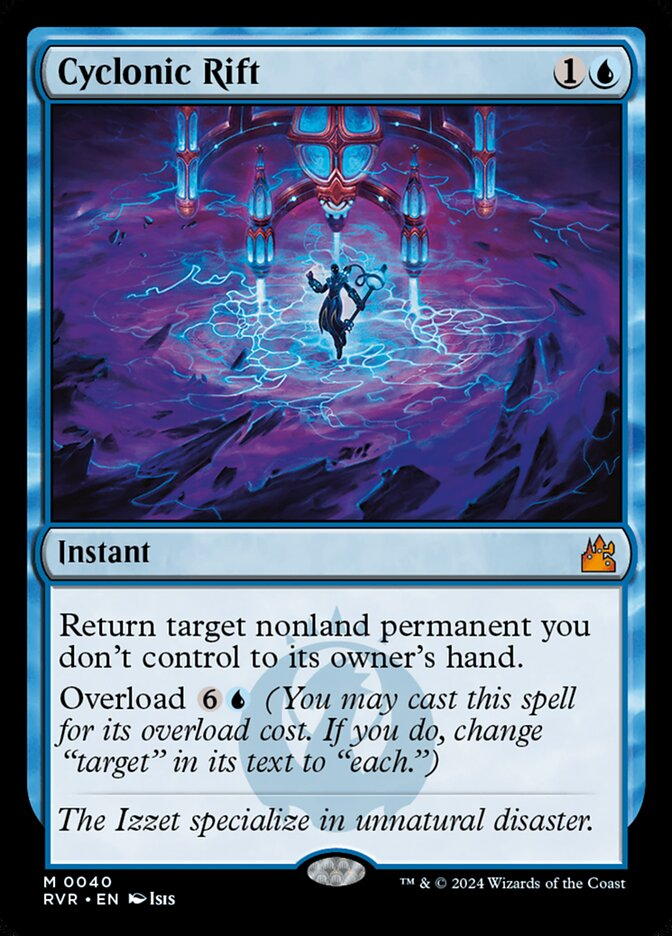
Blue mana does not typically destroy enchantments. Instead, it interacts through counter-magic or temporary removal. Countering an enchantment spell like Rhystic Study before it hits the table is the best defense. Once an enchantment is on the battlefield, Blue must rely on “bounce” spells. Cyclonic Rift is the most powerful tool in this category. It can return all non-land permanents an opponent controls to their hand. This does not permanently remove the threat, but it provides a massive tempo swing. Other cards like Chain of Vapor offer cheap, temporary solutions. This style of play requires the Blue player to win the game before the opponent can re-cast their enchantments.
Red and the Absence of Direct Removal

Red mana is the only color that still lacks direct enchantment removal. This is a core part of Red’s identity. Red focuses on direct damage, creature aggression, and artifact destruction. To deal with enchantments, Red players must rely on chaotic or indirect effects. Chaos Warp is the primary tool for Red players in this situation. It shuffles any permanent into its owner’s library, and they reveal the top card. This might replace a powerful enchantment with a harmless land, or it might flip an even bigger threat. Red players also use Enchanter’s Bane to punish opponents for having enchantments. It deals damage to the enchantment’s controller during their end step. This creates a clock that forces the opponent to win quickly or lose to their own board state.
Multicolor and Colorless Solutions

Multicolor cards often combine the strengths of different mana types to create ultimate answers. Anguished Unmaking and Utter End are Orzhov cards that exile any non-land permanent. These are favorites in Commander because they answer any threat for a fair price. Assassin’s Trophy is another landmark card that can destroy any permanent, including lands. The flexibility of these cards justifies the more complex mana requirements. When a deck has access to multiple colors, the removal suite becomes much more robust. These spells ensure that no single card type can dominate the game without a response.

Colorless cards provide enchantment removal to decks that normally lack it. All Is Dust is a powerful board wipe that forces players to sacrifice all colored permanents. This is a staple in Eldrazi or artifact-based decks. Introduction to Annihilation is a newer option that allows any deck to exile a non-land permanent for five mana. While expensive, the ability to remove an enchantment in a pure Red or Black deck is often worth the cost. Karn Liberated is another iconic colorless answer. His ability to exile any permanent every turn makes him a high-priority target. These colorless options act as a safety valve for the entire game system.
Conclusion on Strategic Removal Selection
Selecting the right enchantment removal depends on the format and the specific deck strategy. White and Green will always be the leaders in this category due to their low costs and high efficiency. Black has made great strides but still requires life totals as a resource. Blue and Red must play a more complex game of timing and chaos. As the game continues to evolve, the tools available to players will grow more specialized. A balanced deck must account for the presence of enchantments to ensure a consistent win rate. By understanding the best options for each color, players can build more resilient and flexible decks. Mastery of removal is just as important as mastery of threats in the pursuit of victory. Every player should evaluate their local meta and adjust their removal spells accordingly.