
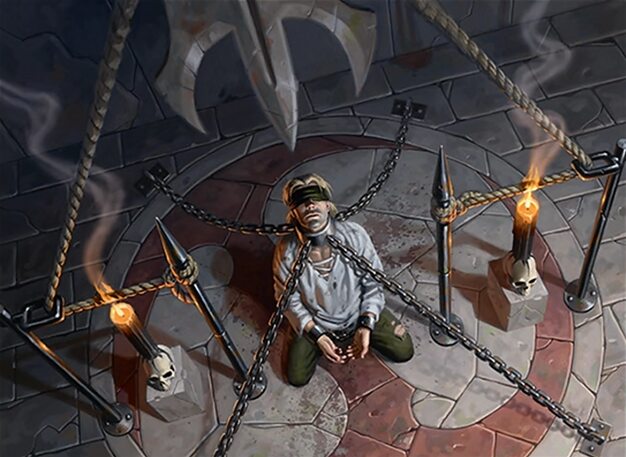
The Aristocrats archetype is a foundational pillar of competitive and casual play within Magic: the Gathering. This strategy focuses on the intentional sacrifice of one’s own creatures to generate a cumulative advantage. By leveraging death triggers and sacrifice outlets, players can control the board and drain the life totals of their opponents. While many high-tier decks utilize expensive cards, the core mechanics of this archetype are highly accessible. This article explores the most effective budget-friendly options for players looking to master this complex style of play without a significant financial investment.
The name of the deck comes from cards like Falkenrath Aristocrat and Cartel Aristocrat. These creatures grew stronger by consuming their allies. In modern play, the strategy has evolved into a sophisticated engine. It requires a delicate balance of three specific components. First, one needs a sacrifice outlet to trigger effects at will. Second, one needs a steady supply of fodder, or creatures that are easy to replace. Finally, one needs payoffs that reward the player every time a creature dies. When these three elements work together, the deck becomes a relentless machine that is difficult to stop through traditional combat.
Essential Sacrifice Outlets on a Budget
Viscera Seer
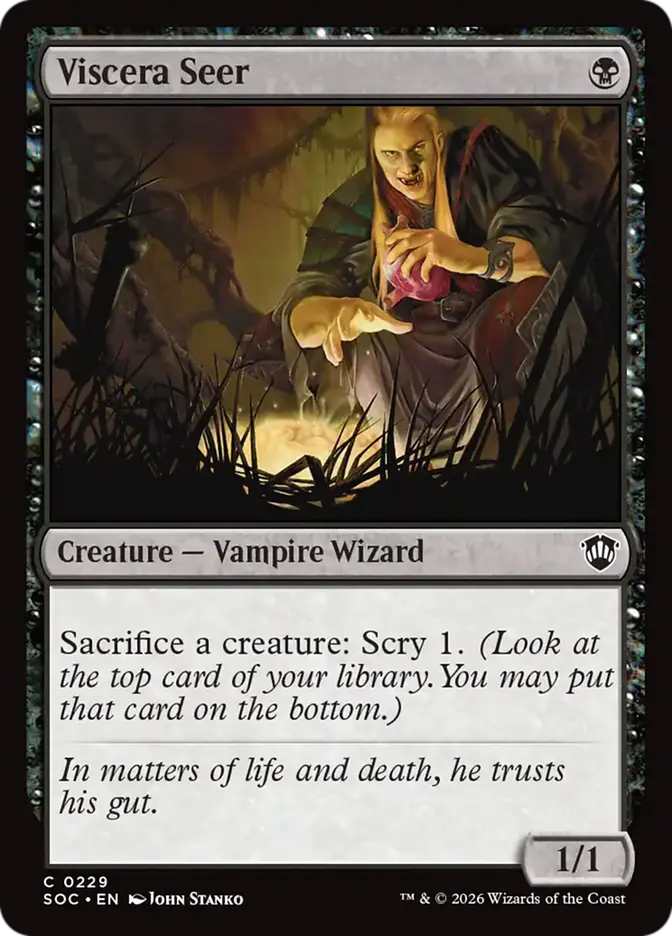
Viscera Seer is perhaps the most iconic budget option for this role. For a single black mana, this vampire allows you to sacrifice a creature to scry one. While scrying does not win the game directly, it ensures that your future draws are high in quality. The ability to manipulate the top of your library for free is a powerful tool in a long game.
Woe Strider
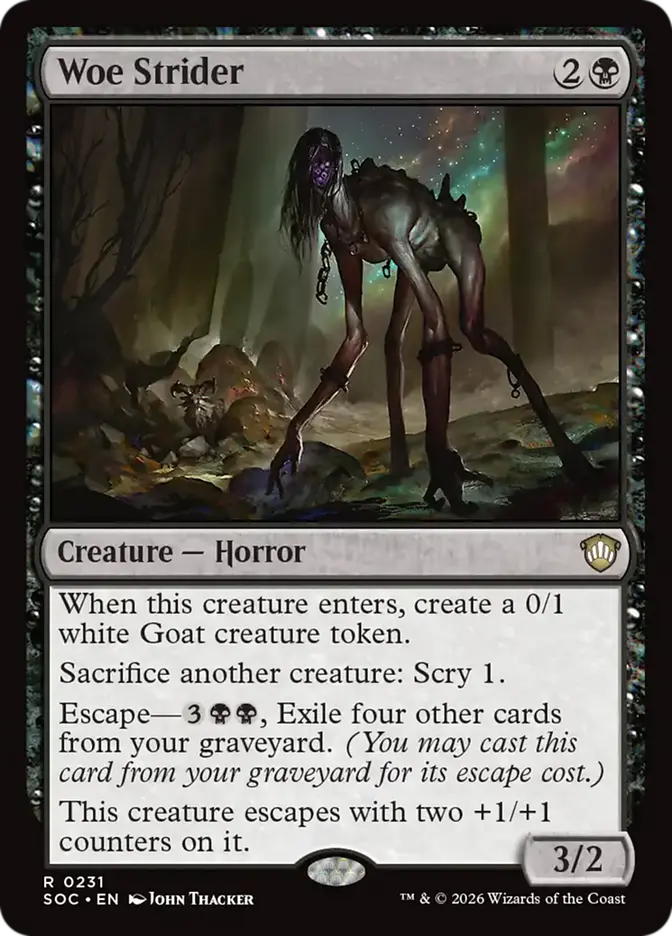
Another excellent choice for the budget-conscious player is Woe Strider. This card provides significant value for its moderate price point. When it enters the battlefield, it creates a 0/1 goat token. This provides immediate fodder for its own sacrifice ability. Much like Viscera Seer, Woe Strider allows you to scry for free. However, it also possesses the escape mechanic. This means you can cast it from your graveyard later in the game. This resilience makes it a stable anchor for your strategy. It ensures that even if your board is cleared, you have a way to restart your engine from the discard pile.
Carrion Feeder
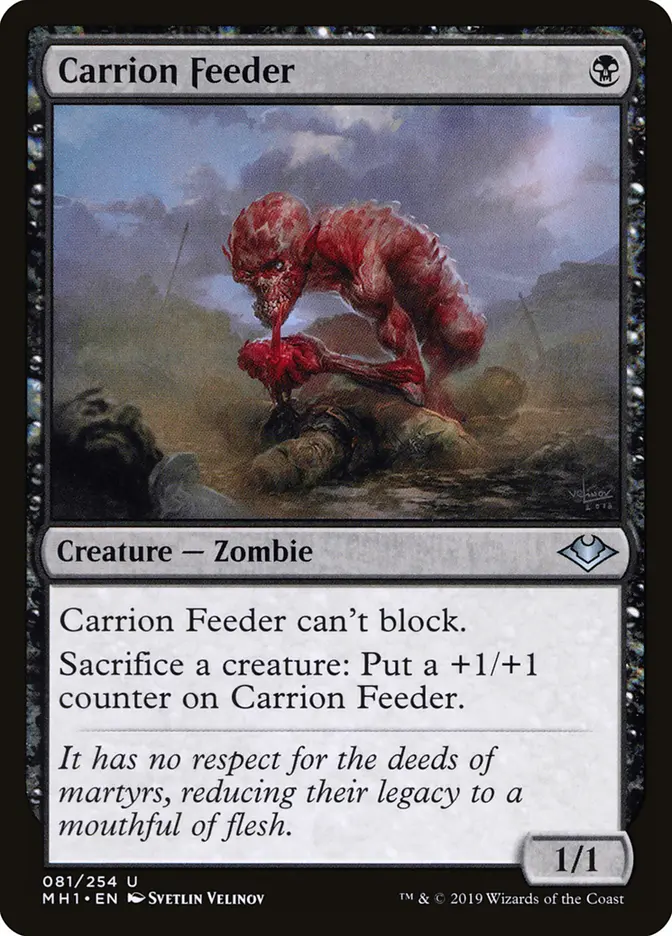
For those looking for a more aggressive outlet, Carrion Feeder is a staple. It is a one-mana creature that grows larger with every sacrifice. It cannot block, which is a downside, but its offensive potential is vast. In a deck that generates many tokens, Carrion Feeder can quickly become a massive threat that demands an answer. It forces the opponent to choose between blocking a large creature or taking damage from death triggers. This dual pressure is a hallmark of successful Aristocrats builds. By using these low-cost creatures, you ensure your engine is online as early as the first or second turn.
Reliable Fodder and Recursive Creatures
Reassembling Skeleton
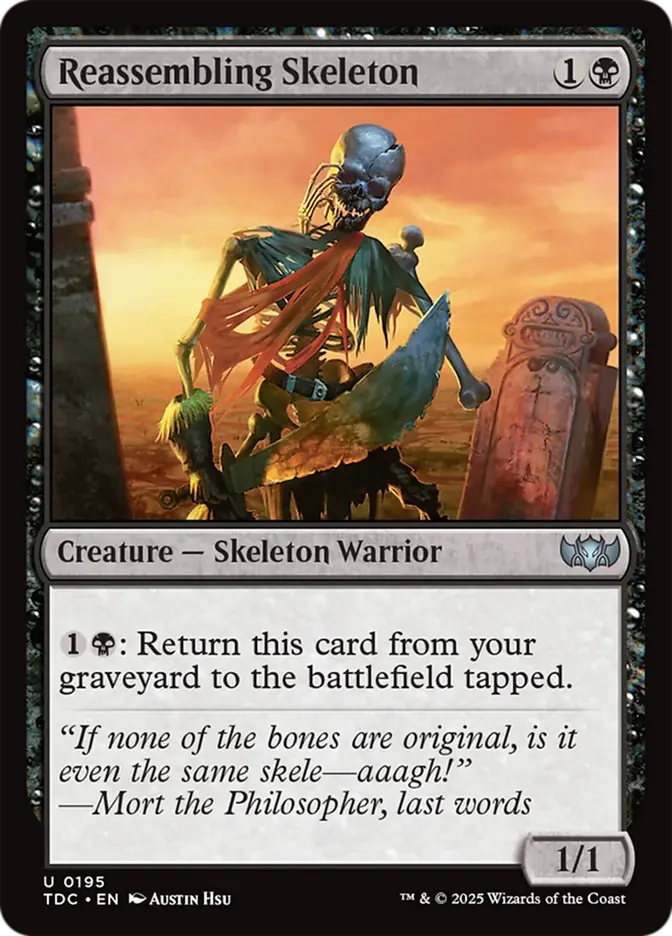
The second pillar of the strategy is the fodder. These are the creatures intended to die. To maintain momentum, a player needs creatures that can return from the grave or create multiple bodies. Reassembling Skeleton is a classic example of a recursive threat. For two mana, it can be brought back from the graveyard to the battlefield tapped. This allows you to sacrifice it repeatedly across multiple turns. While it requires a small mana investment each time, its reliability is unmatched. It serves as a constant fuel source for your sacrifice outlets and payoffs.
Pawn of Ulamog
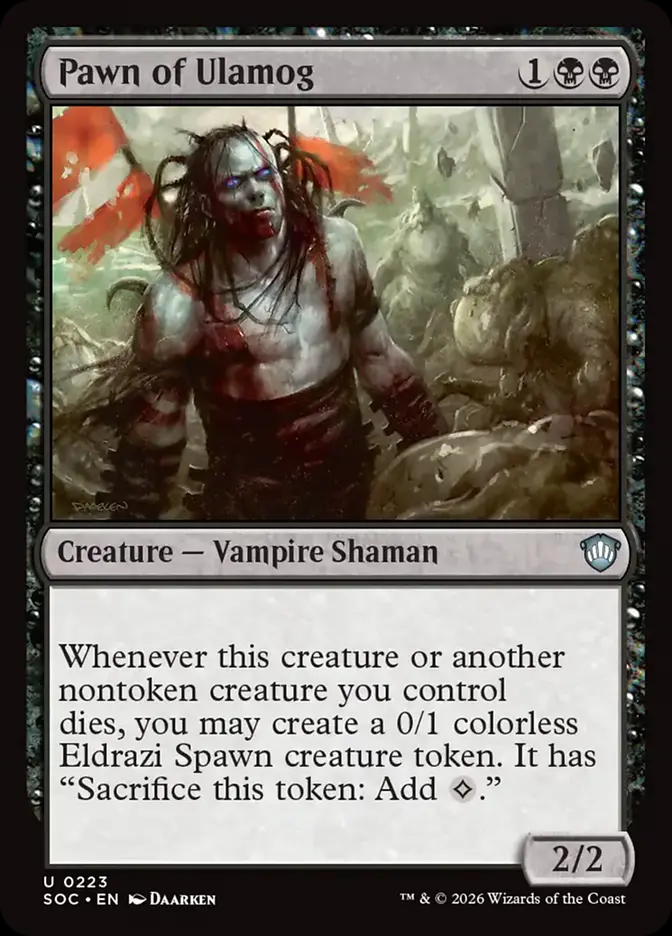
Token generation is another efficient way to provide fodder. Cards like Pawn of Ulamog are highly effective in this role. Whenever another nontoken creature you control dies, Pawn of Ulamog creates a 0/1 Eldrazi Spawn token. These tokens can be sacrificed for mana or to trigger other effects. This creates a chain reaction where one death leads to another resource. Similarly, Sifter of Skulls offers a similar effect for a slightly higher mana cost but with a more robust body. These cards turn every death into a new opportunity, effectively doubling the value of your creatures.
Doomed Traveler
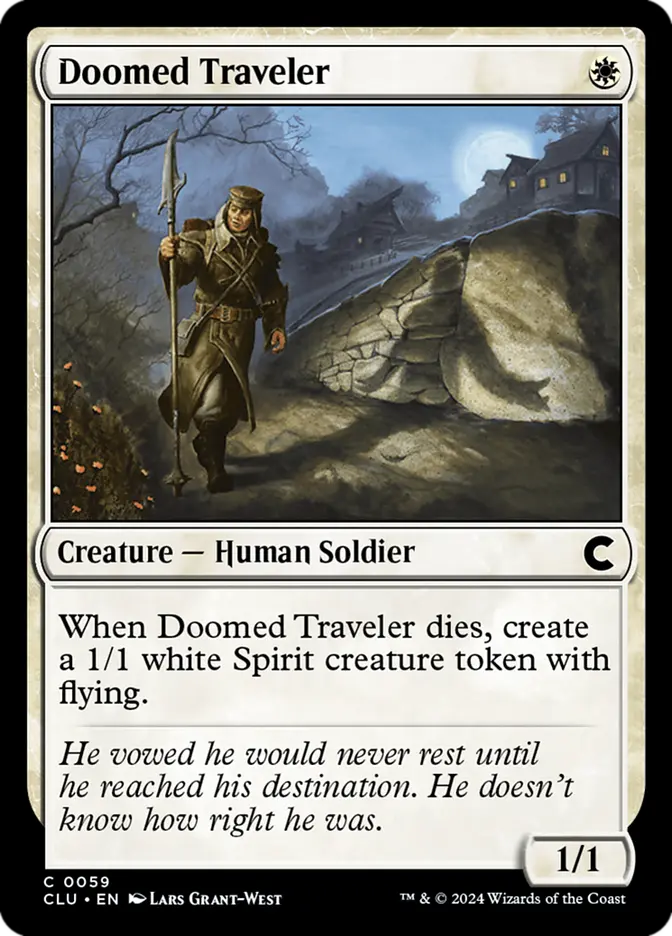
Another budget gem is the card Doomed Traveler. For a single white mana, you get a creature that leaves behind a 1/1 flying spirit when it dies. This is a simple but effective two-for-one trade. In an Aristocrats deck, the flying token is often more valuable than the original creature. It provides a way to chip away at the opponent’s life total or block flying threats. Using creatures that replace themselves ensures that your board presence remains stable even as you aggressively sacrifice your units. This persistence is what allows the deck to outlast more traditional aggressive strategies.
Primary Payoffs and Drain Effects
Zulaport Cutthroat
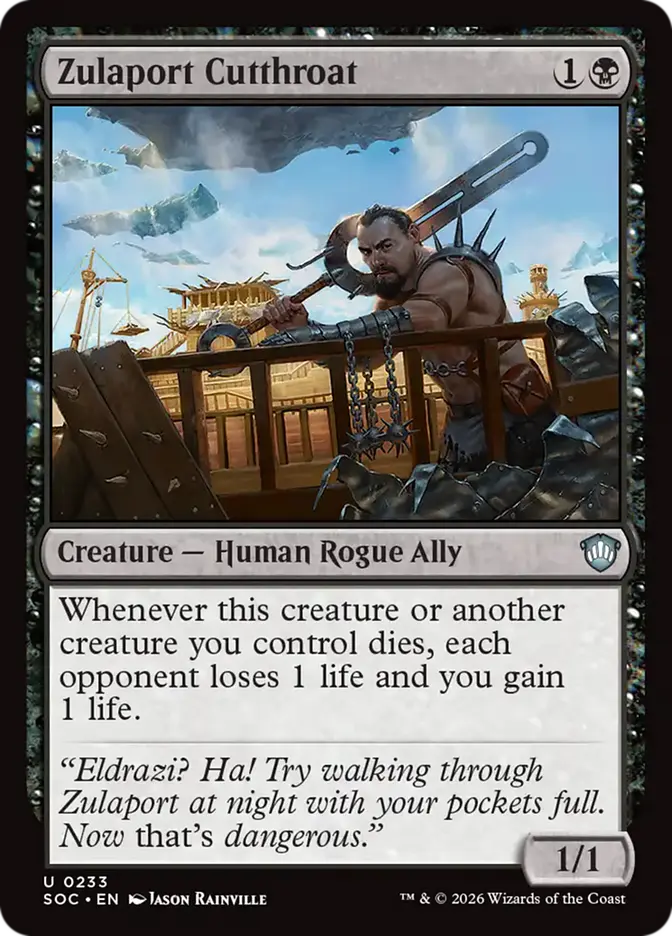
The payoffs are the cards that actually win the game. These are often referred to as Blood Artist effects. Blood Artist itself can sometimes be expensive, but there are many budget alternatives. Zulaport Cutthroat is the most prominent example. Unlike Blood Artist, which only triggers on a single target, the Cutthroat drains life from each opponent. This makes it particularly potent in multiplayer formats like Commander. It also triggers when it dies itself, ensuring that you get value even if the opponent uses a removal spell on it. This card is the heart of the budget Aristocrats deck.
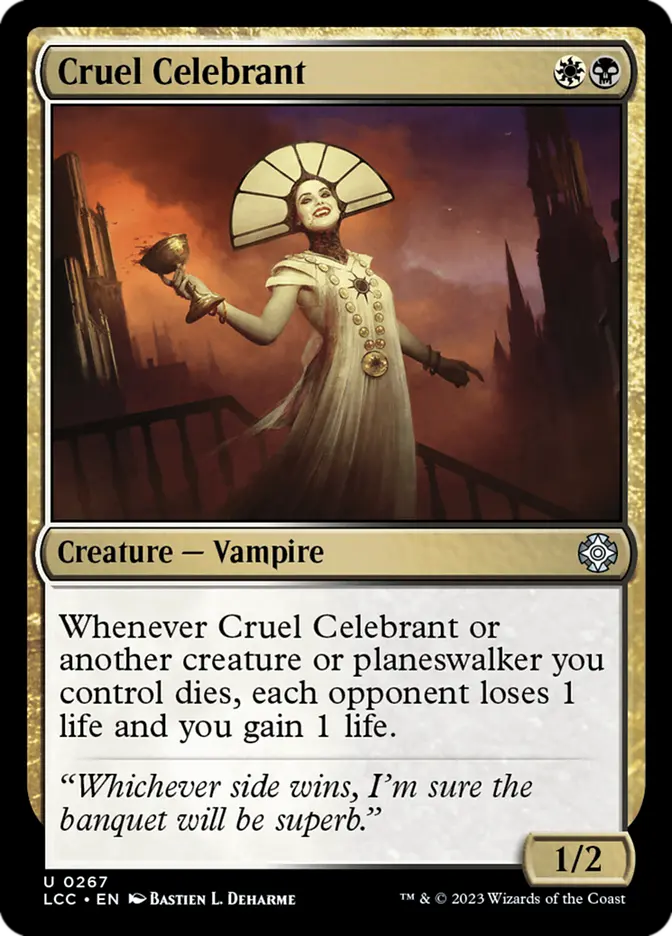
Cruel Celebrant is another powerful payoff for decks that include white mana. It functions similarly to Zulaport Cutthroat but has a slightly better defensive stat line. By running multiple copies of these effects, you increase the consistency of your deck. When you have three or four drain effects on the board, every single sacrifice becomes a lethal event for the opponent. This creates a situation where the opponent is punished for trying to interact with your board. If they kill your creatures, they lose life. If they do not kill your creatures, you sacrifice them yourself and they still lose life.
Non-Creature Payoffs
Bastion of Remembrance
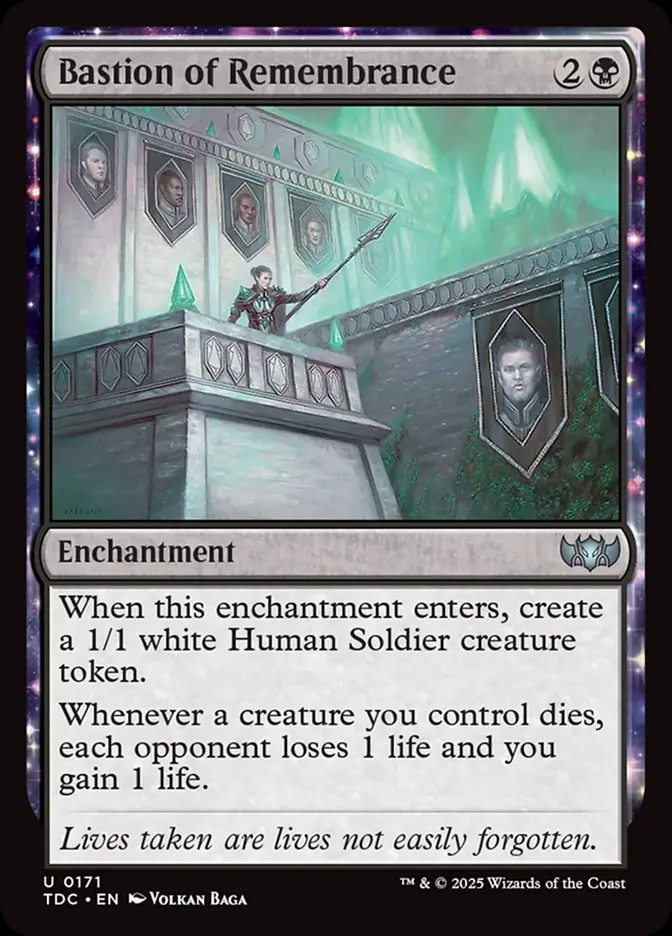
Not all payoffs need to be creatures. Bastion of Remembrance is an enchantment that provides the same drain effect. Because it is an enchantment, it is much harder for many decks to remove. It also comes with a 1/1 soldier token when it enters the battlefield, providing its own fodder. This card is excellent for providing insurance against board wipes. If an opponent plays a card like Wrath of God, the Bastion will stay on the field and trigger for every creature that died. Often, a board wipe will result in the opponent losing the last of their life total because of this enchantment.
Utility and Card Advantage Support
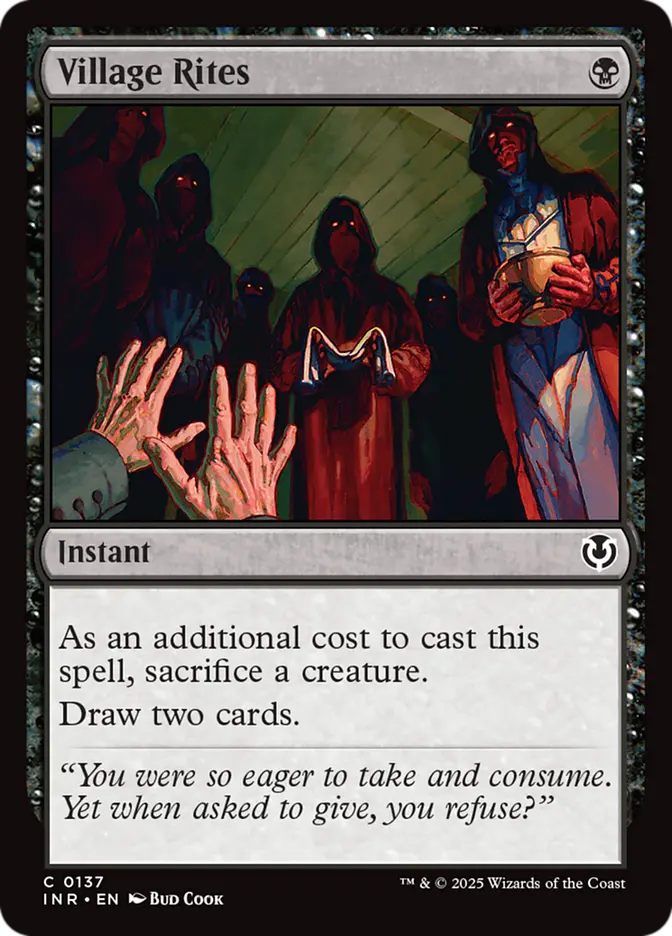
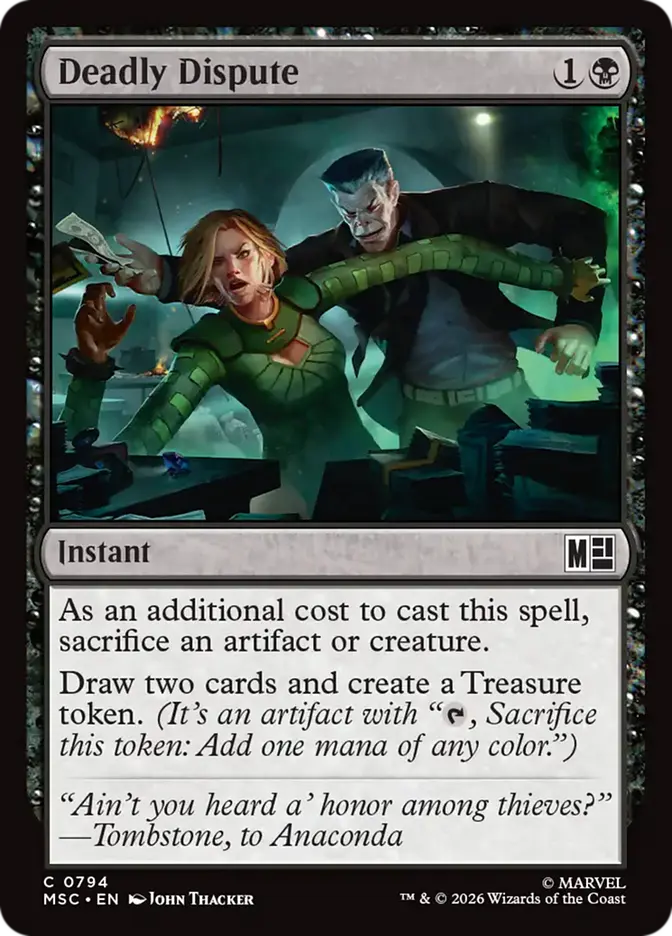
Aristocrats decks are unique because they use their own creatures as a form of currency for card draw. Village Rites and Deadly Dispute are two of the best budget spells for this purpose. For one or two mana, you sacrifice a creature to draw two cards. Deadly Dispute even provides a Treasure token, which helps with mana fixing and acceleration. These spells are often played in response to an opponent’s removal. This turns a negative play by the opponent into a massive advantage for you. You effectively get to replace a dying creature with two new resources.
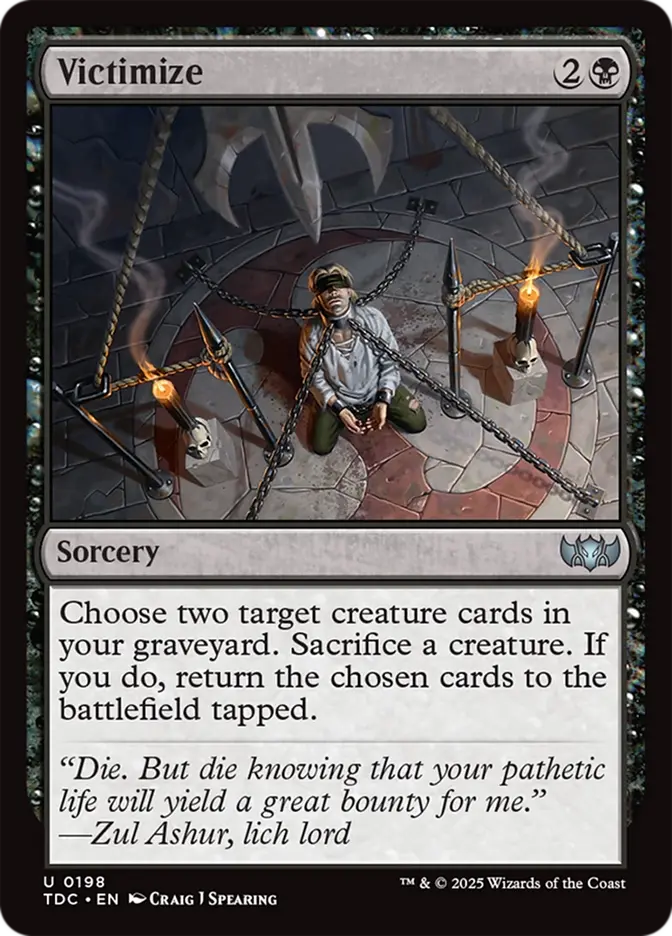
Recursion spells also play a vital role in the utility of the deck. Victimize is a high-value budget card that allows you to swap one creature on the field for two in your graveyard. This can lead to explosive turns where you bring back two of your best payoffs at once. Since the creature you sacrifice for Victimize likely has its own death trigger, the value of this spell is immense. It allows you to reuse your best pieces and adapt to the state of the game. Combining these utility spells with your core engine creates a deck that is both resilient and versatile.
Conclusion
Building a successful Aristocrats deck does not require a large budget. By focusing on the core synergy between outlets, fodder, and payoffs, any player can create a formidable list. Cards like Zulaport Cutthroat, Viscera Seer, and Reassembling Skeleton provide the same mechanical depth as their more expensive counterparts. This archetype rewards careful planning and a deep understanding of stack interactions. It is a style of play that emphasizes incremental gains over raw power. For players who enjoy outsmarting their opponents through complex systems, the budget Aristocrats deck is an ideal choice. With these affordable tools, you can master the art of the sacrifice and dominate the battlefield.