The concept of the color pie is the most vital part of Magic: the Gathering. It was created by Richard Garfield. This system divides the game into five distinct colors. Each color has its own strengths. Each color also has clear weaknesses. This balance ensures that no single deck can solve every problem easily. When a card does something outside of its color’s role, it is called a color pie break. These breaks can disrupt the health of the game. Blue is often seen as the most powerful color in the history of the game. It is known for drawing cards and countering spells. However, blue has often stepped into the territory of other colors.
In game design, a clear identity for each faction is necessary. It creates a sense of variety. It also forces players to make choices. If you want to destroy a creature, you should play black or white. If you want to destroy an artifact, you should play red or green. Blue is meant to be the color of manipulation and time. It should not be able to deal with permanent threats once they are on the table. Blue usually uses “bounce” spells to return cards to the hand. This is a temporary fix. When blue gets a permanent solution, the pie is broken. This leads to a lack of diversity in high-level play. These breaks often happened in the early years of the game. During that time, the rules of the pie were not yet firm. Some modern breaks also exist. These cards often push the limits of what a color can do to sell a new set. Understanding these breaks helps players appreciate the deep strategy of the game.
If you buy from these links we will receive a small commission
Top Ten Blue Color Pie Breaks
10. Prodigal Sorcerer
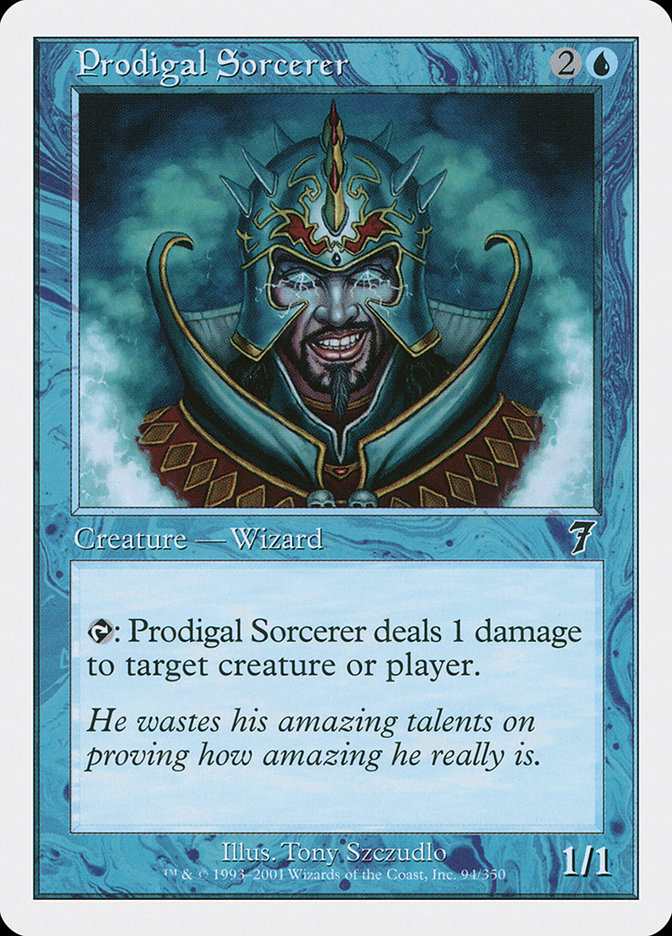
The card Prodigal Sorcerer is a classic example of an early design error. It is a creature that can tap to deal one damage to any target. In the modern game, this ability is called “pinging.” This is a key part of the red identity. Red is the color of fire and direct damage. Blue is supposed to use its mind, not direct force. In the Alpha set, blue had several cards that dealt damage. Designers later realized that this took away red’s main job. Prodigal Sorcerer was so popular that it was printed in many sets. Eventually, the ability was moved to red with cards like Prodigal Pyromancer. This shift corrected a long-standing error in the game’s mechanical logic.
9. Back to Basics
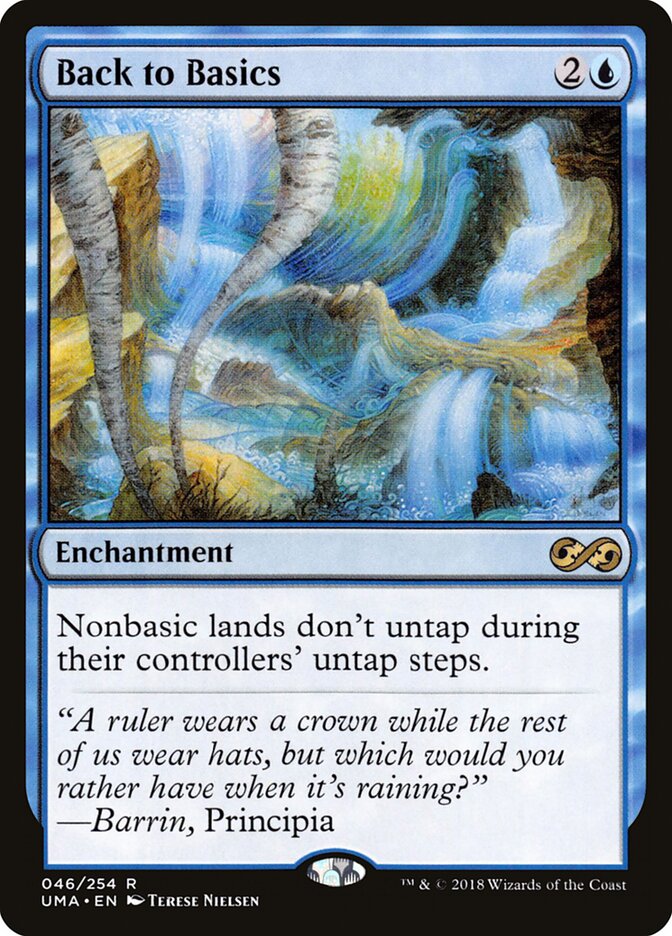
Back to Basics is a powerful enchantment. It prevents non-basic lands from untapping. This is a form of resource denial. Traditionally, punishing lands is a red or white trait. Red uses fire to destroy lands. White uses laws to limit how they work. Blue is meant to interact with the stack and the hand. By locking down lands, blue gains a tool that stops the opponent from playing the game at all. This card is very strong in formats like Legacy. It allows blue decks to control the mana of the opponent. This feels more like a “Stax” piece. Most players associate this style of play with white. It is a break because it gives blue a hard control tool that targets the mana base directly.
8. Hullbreacher
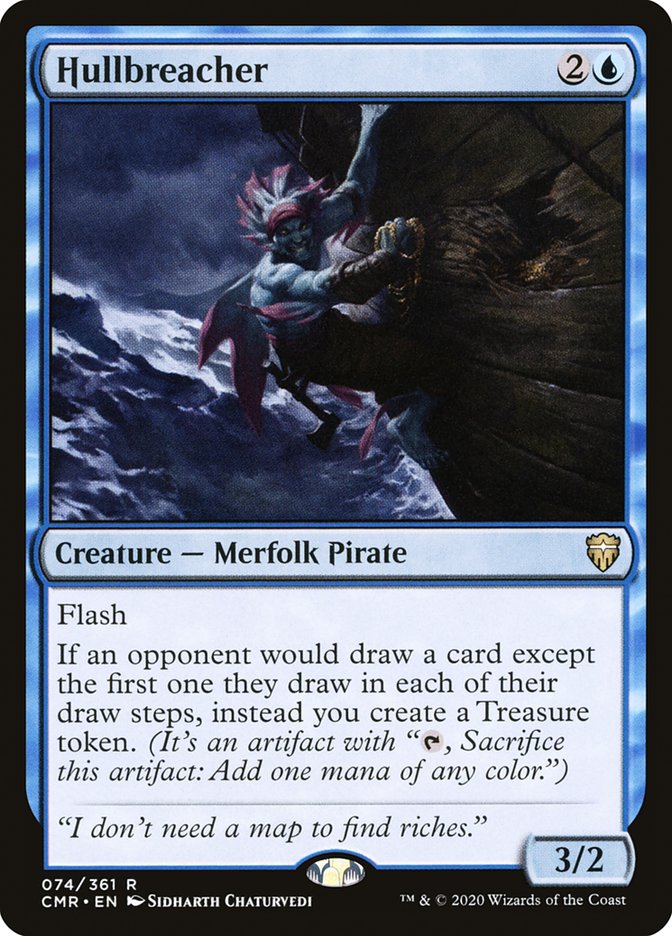
Hullbreacher is a newer card that caused a lot of trouble. It stops opponents from drawing extra cards. When they try to draw, the player who owns Hullbreacher gets a Treasure token instead. This card does two things blue should not do easily. First, it taxes the opponent’s resources. Taxing is a white mechanic. Second, it creates fast mana through Treasure. Fast mana is usually for red or green. Blue is already the best color at drawing cards. Giving it a card that stops others from drawing while gaining mana is too much. It removes the weakness blue is supposed to have. It was eventually banned in the Commander format because it was too oppressive for the game environment.
7. Serendib Efreet
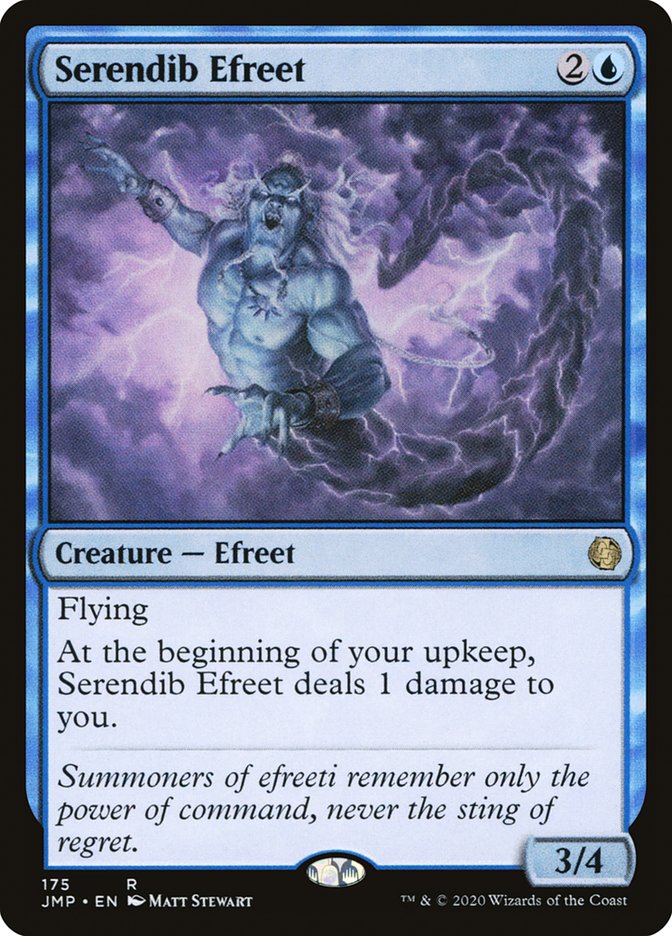
Serendib Efreet is a very efficient creature. It is a three-mana creature with three power and four toughness. It also has flying. The downside is that it deals one damage to you during your upkeep. High-power flyers with a life-loss drawback are black cards. Black is the color that trades life for power. Blue creatures are usually smaller or more expensive. In the early days, blue needed more ways to win through combat. Serendib Efreet gave blue an aggressive tool it did not earn. It remains a strange outlier in the history of blue creatures. It looks and plays like a black card but has a blue border.
6. Polymorph
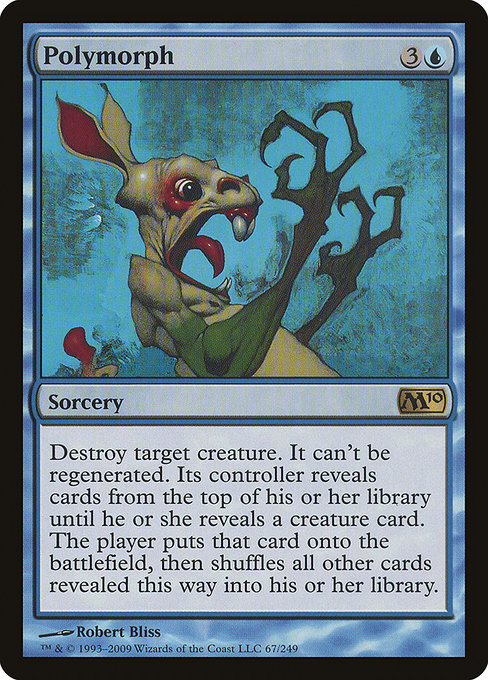
Polymorph is a spell that destroys a creature. Then, its controller reveals cards from their deck until they find another creature. That creature enters the battlefield. This effect is very chaotic. Chaos is usually for red cards. Also, putting a random creature from the deck into play is a green trait. Green is the color of nature and big creatures. Blue should not be able to “cheat” large threats onto the table so easily. Polymorph allows blue decks to play one giant creature like Emrakul. They use a token to trigger the spell. This bypasses the need to pay mana for big spells. It breaks the resource curve and steals the identity of green.
5. Pongify and Rapid Hybridization
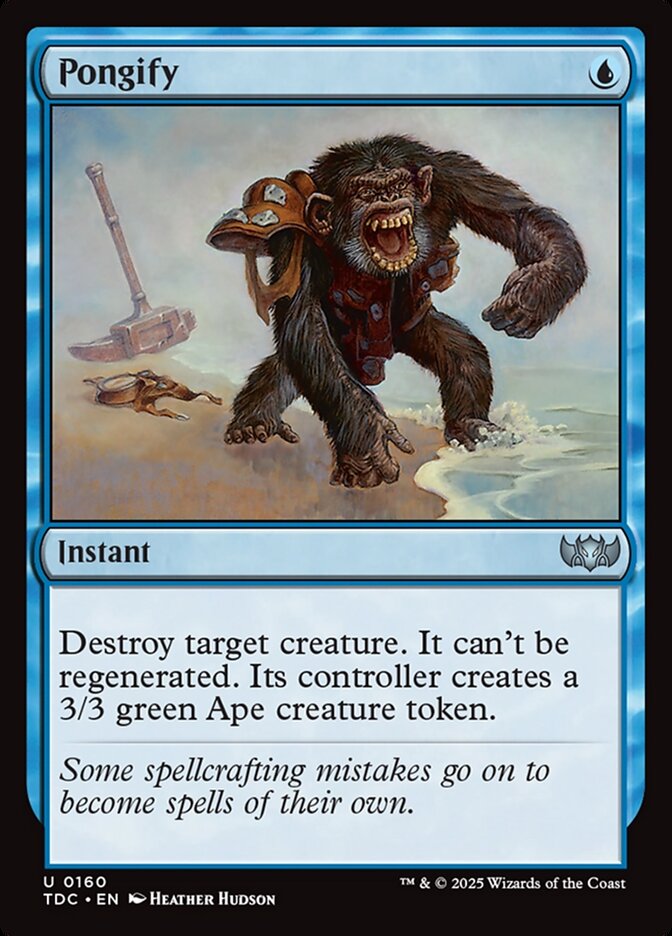

These two cards are almost the same. They cost one blue mana. They destroy a creature. Then, the owner of that creature gets a 3/3 token. Blue is not supposed to have “hard” removal. Blue should return creatures to the hand or transform them temporarily. These cards destroy the creature permanently. Even though the opponent gets a token, the original threat is gone forever. This is very similar to green’s “fight” spells or black’s “kill” spells. Giving blue a one-mana answer to any creature is a major break. It makes it too easy for blue to solve problems that it should struggle with.
4. High Tide
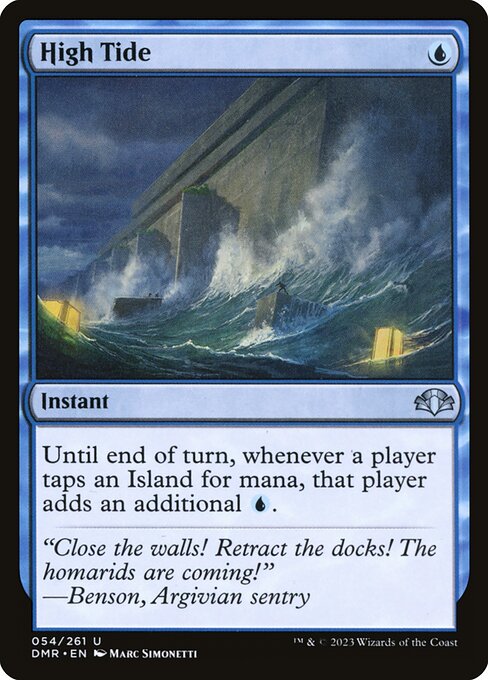
High Tide is a spell that makes Islands produce extra mana. Mana acceleration is the core of green’s identity. Red also gets mana through temporary rituals. Blue is not supposed to have explosive mana growth. High Tide allows blue decks to generate a huge amount of mana in one turn. This leads to “combo” turns where the player casts dozens of spells. Because blue is also the best at drawing cards, this mana is very dangerous. It allows blue to do things that other colors can only dream of. It removes the natural limit on how much blue can do in a single turn cycle.
3. Reality Shift

Reality Shift is a card that exiles a creature. Then, the owner manifests the top card of their deck. Exiling a creature is a white mechanic. Blue is allowed to transform things, but it should not exile them. Exiling is the most permanent form of removal in the game. Reality Shift gives blue a tool that can deal with any creature forever. The manifest effect is a small price to pay. This card is a break because it gives blue an efficient way to remove threats from the game. It mimics cards like Path to Exile or Swords to Plowshares. Those cards belong in white for a reason.
2. Amnesia
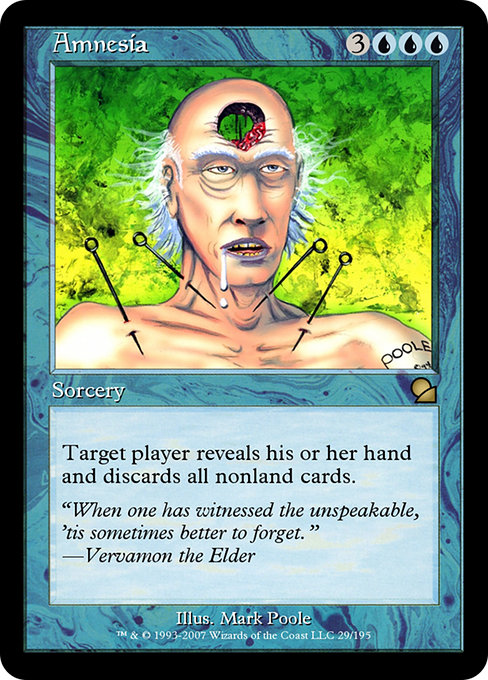
Amnesia is a very old card from the set called The Dark. It costs six mana. It forces a player to reveal their hand and discard all non-land cards. Discarding cards is the primary strength of black. Black is the color of the mind and rot. Blue is the color of the mind and memory, but it should not destroy thoughts. It should only observe or counter them. Amnesia is a massive break because it allows blue to attack the opponent’s hand. If blue can counter spells and discard the hand, the opponent has no way to play. This card is rarely seen now, but it remains one of the biggest deviations in the game’s history.
1. Psionic Blast
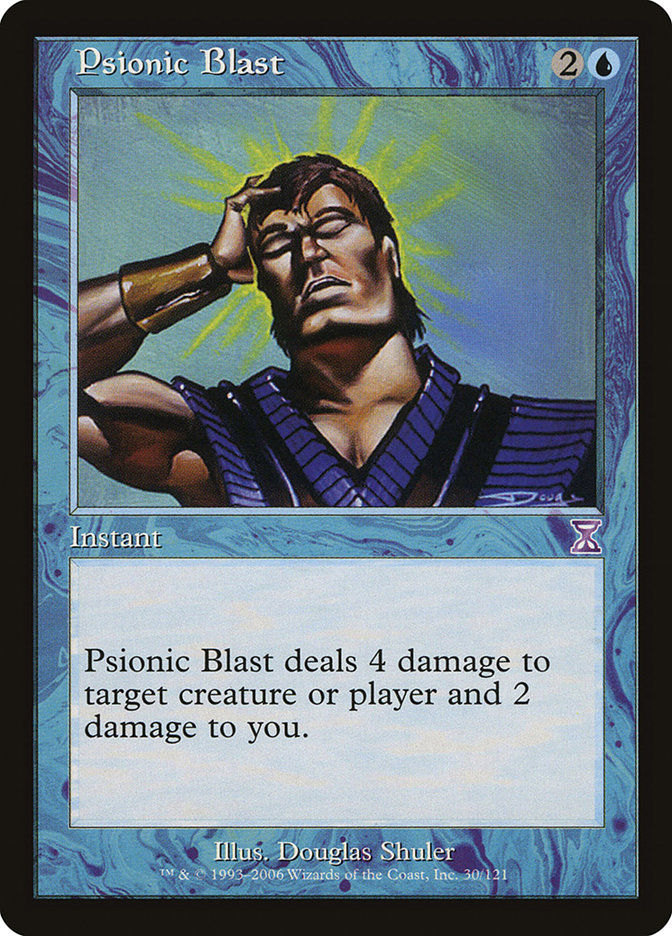
Psionic Blast is the ultimate color pie break. It deals four damage to any target and two damage to you. This is a blue version of the red card Char. In fact, Psionic Blast was printed long before Char. There is no reason for blue to have direct damage. It does not fit the theme of the color. It does not fit the mechanics of the color. It allows blue to kill creatures or finish off opponents without using the stack or combat. It is the most famous example of a card that simply does not belong in its color. Even the designers at Wizards of the Coast often use this card as the primary example of what not to do.
Conclusion
The color pie is what makes Magic: the Gathering a deep and complex game. It ensures that every player has a reason to explore different colors. When blue cards like Psionic Blast or Amnesia exist, the lines become blurred. This can make the game feel less strategic. If one color can do everything, the game becomes a race to see who can play that color better. However, these breaks also tell the history of the game. They show how the designers learned to refine their craft over thirty years. Today, the Council of Colors works hard to prevent these breaks. They want to make sure that each color stays in its own lane. This keeps the game healthy and fun for everyone. As players, we should recognize these breaks. They remind us why the rules of the pie are so important for the future of the game.
If you buy from these links we will receive a small commission