Professional game design is a complex balancing act that requires a deep understanding of player behavior. In the history of Magic the Gathering, developers have introduced hundreds of mechanics to keep the game fresh. Most of these ideas succeed in creating new ways to play the game. However, some mechanics fail to make any impact on the competitive landscape. These are known as Dead-on-Arrival mechanics. They are often hyped by the community but fail to perform in the Standard meta. This article examines ten mechanics that failed to live up to their potential. We will look at why these systems did not work. We will also see how they changed the way the game is designed today
A mechanic is Dead-on-Arrival when it provides no value to competitive players. This usually happens for two reasons. First, the power level may be too low for the cost. Second, the mechanic might be too easy for an opponent to stop. In a professional setting, players look for consistency. They want cards that work every time they are played. When a mechanic requires too many steps, it often fails. Designers try to push the boundaries of what is possible. Sometimes they push too far into complex territory. This results in cards that are interesting to read but impossible to play. The following list highlights the most notable examples of this trend in the history of the Standard format.
1. Radiance
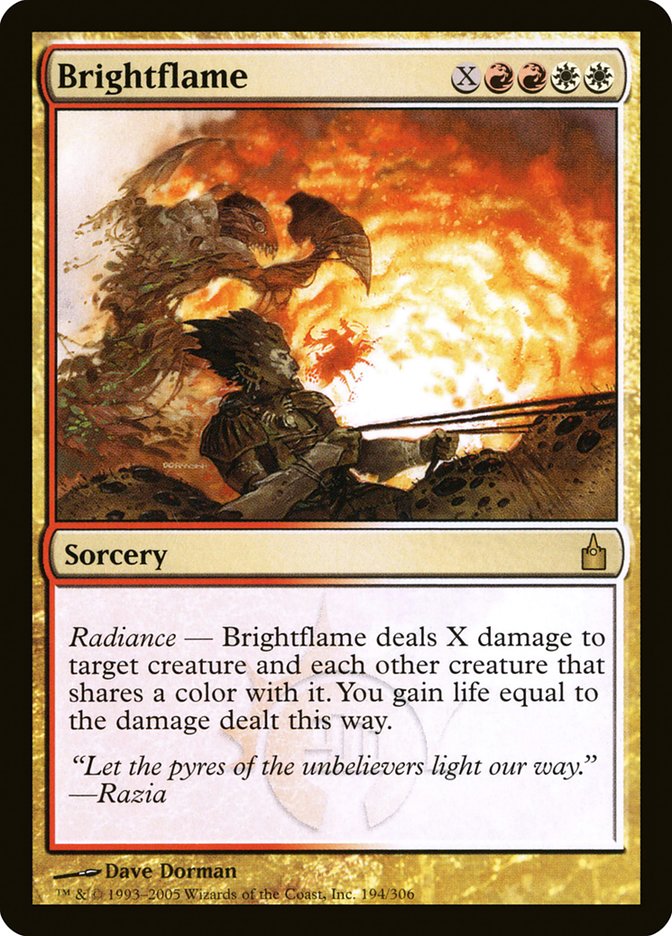
Radiance was a major mechanic in the Ravnica block. It was designed for the Boros Legion. The goal was to reward players for playing creatures of the same color. When a spell with Radiance hit a target, it affected every other creature that shared a color with it. On paper, this sounded like a powerful way to clear a board. In reality, it was a massive liability. Many decks in that era played multiple colors. If you used a Radiance spell on an enemy creature, you might accidentally hit your own army. This high level of variance made it too risky for professional play. The risk of losing your own board was greater than the reward of damaging the opponent. Consequently, Radiance saw almost no play in the Standard meta of the time.
2. Sweep
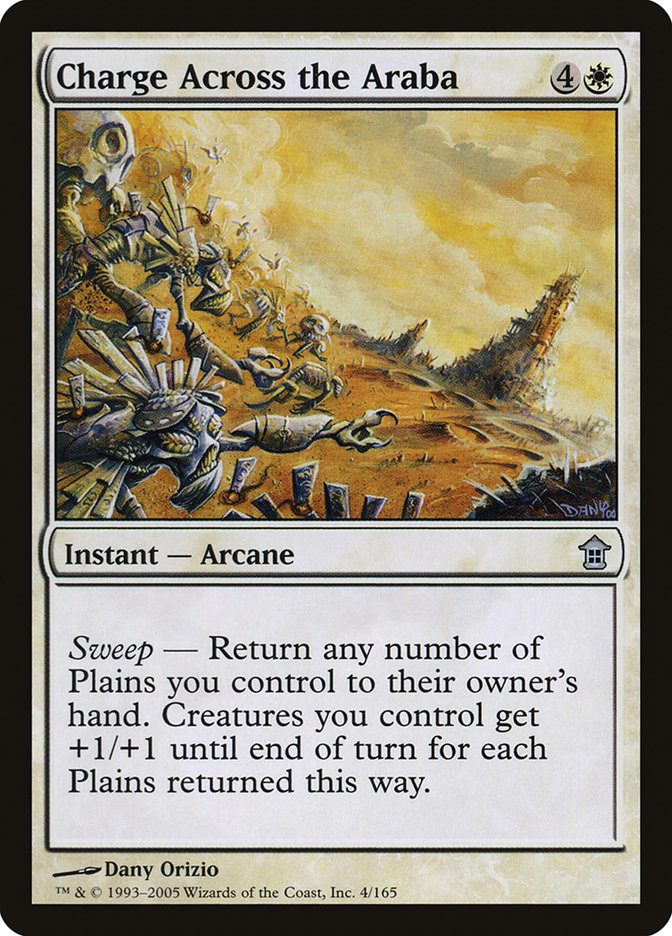
Sweep appeared in the Saviors of Kamigawa set. This mechanic allowed players to return any number of lands to their hand to increase the power of a spell. In a game like Magic, mana is the most important resource. Returning lands to your hand is a huge loss in tempo. It slows down your ability to play more spells in the future. Most players found that the bonus provided by Sweep was not worth the cost of losing their mana base. For example, a card might give a creature a small power boost for each land returned. However, the opponent could simply use a removal spell. This would leave the player with no creature and no land. This catastrophic loss of resources kept Sweep out of the competitive scene entirely.
3. Epic
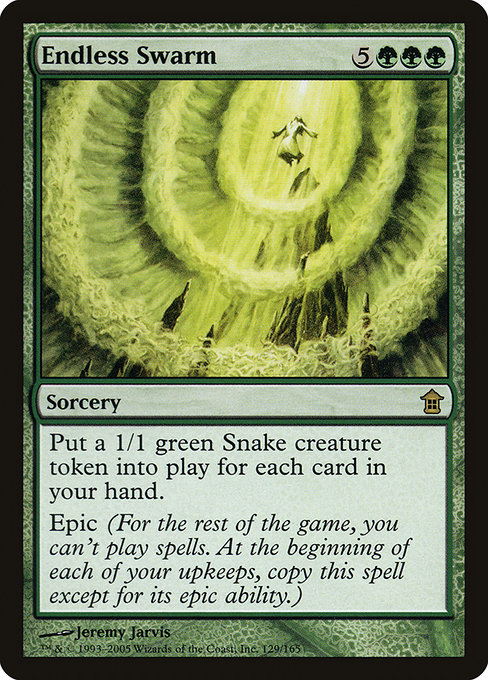
The Epic mechanic was another experiment from the Kamigawa block. When a player cast an Epic spell, they could no longer cast any other spells for the rest of the game. In exchange, the spell would trigger again at the start of every turn. This was a very bold design. It promised a powerful effect that would eventually win the game. However, the cost of not being able to cast spells was too high. If the opponent found a way to stop the Epic effect, the player had no way to recover. Modern games are fast and interactive. Giving up the ability to respond to an opponent is a recipe for failure. Only a few players tried to use these cards in niche decks. They quickly realized that the downside was too punishing for the Standard environment.
4. Haunt
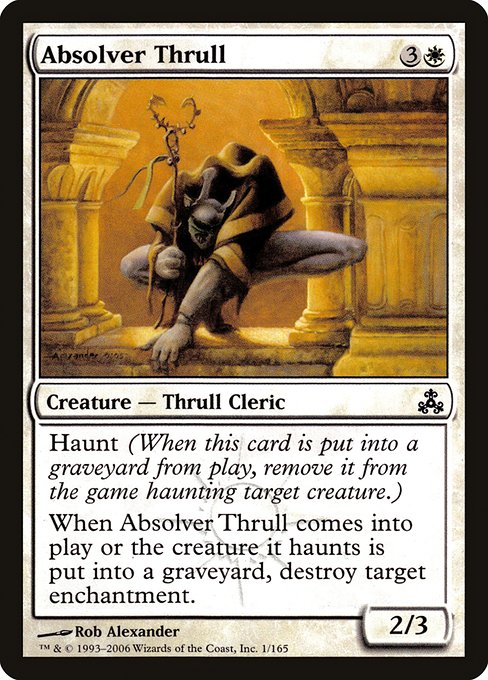
Haunt was a mechanic from the Guildpact set. It was meant to represent the ghostly nature of the Orzhov guild. When a creature with Haunt died, it would be removed from the game. It would then haunt another creature on the board. When that second creature died, the Haunt effect would trigger again. While the flavor of the mechanic was great, the execution was poor. It was very hard to track on the table. It also required a second creature to die before the player got any real value. This made the mechanic very slow. In a competitive match, players want immediate results. Haunt offered a delayed reward that was too easy for an opponent to ignore. This lack of impact made it a forgotten part of Ravnica history.
5. Cipher
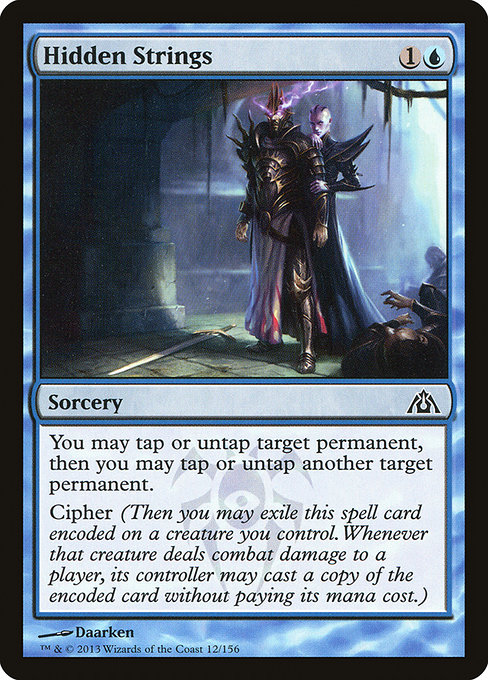
Cipher was introduced in Gatecrash for the Dimir guild. It allowed a player to exile a spell and attach it to a creature. Whenever that creature dealt combat damage, the spell would be cast again for free. This sounded like a great way to generate card advantage. However, the spells with Cipher were given very high mana costs. Designers were afraid that the mechanic would be too strong. Because of this, the initial cost to cast the cards was too high for competitive play. Furthermore, the mechanic relied on creatures hitting the opponent. In professional play, creatures are often blocked or destroyed immediately. If the creature died, the Cipher spell was lost forever. This made the mechanic too fragile to survive in a tough meta.
6. Tribute
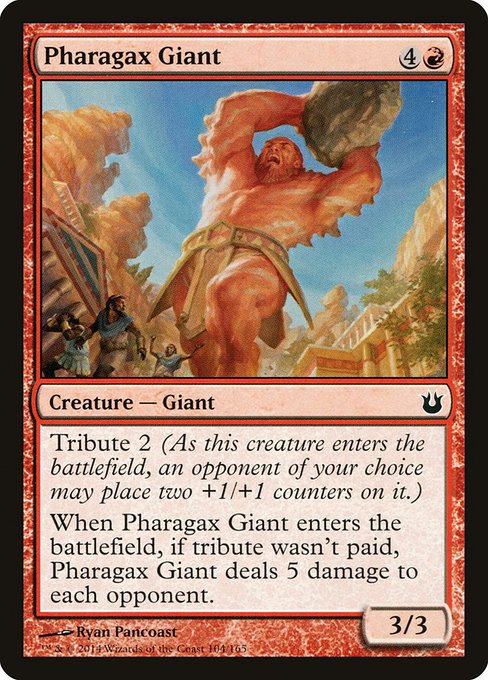
Tribute is a classic example of a punisher mechanic. It appeared in the Born of the Gods set. When a creature with Tribute entered the battlefield, the opponent chose between two options. They could either let the creature enter with extra power or allow an additional effect to trigger. In game theory, giving your opponent a choice is usually a bad idea. A smart opponent will always choose the option that is best for them. If they have a removal spell, they will let the creature be large and then kill it. If they have a block, they will let the effect trigger. This lack of control made Tribute cards very unreliable. Competitive players prefer to make their own choices. They do not want to leave their success in the hands of the enemy.
7. Inspire
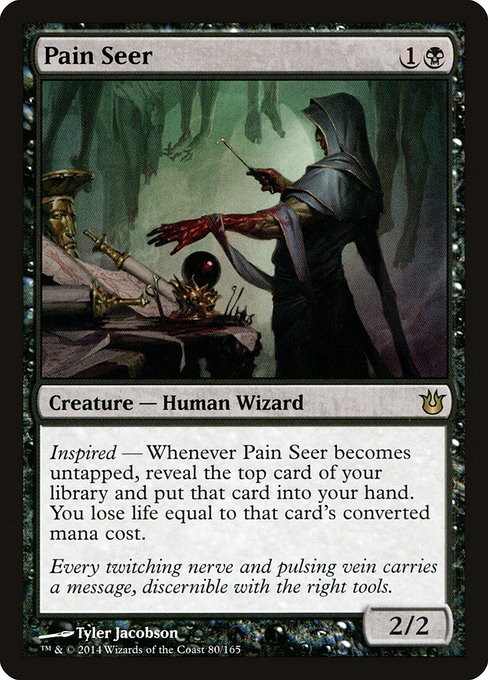
The Inspire mechanic focused on creatures untapping. An effect would trigger whenever a creature with Inspire became untapped. This was meant to encourage players to attack or use other ways to tap their creatures. However, the mechanic had a major flaw. It did nothing the turn the creature was played. The creature had to survive an entire turn cycle and then find a way to untap. This is often too slow for the Standard meta. Most competitive decks can kill a creature long before it has a chance to untap. Players found that they were putting too much effort into a mechanic that did not provide a fast return. This led to Inspire being ignored by the top players of the era.
8. Cohort
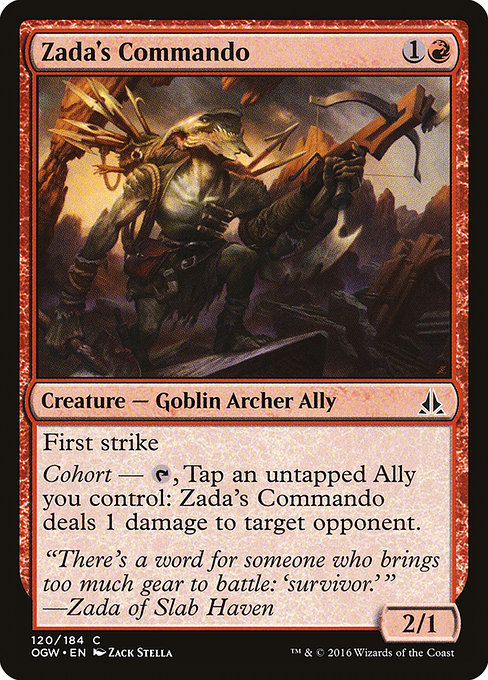
Cohort was a mechanic found in the Oath of the Gatewatch set. It required a player to tap two creatures to activate an ability. One of these creatures had to be an Ally. The problem with Cohort was the high cost of activation. Tapping two creatures means you cannot use them to attack or block. The effects provided by Cohort were often very small. For example, a card might tap two creatures just to deal one damage. In a game where every creature counts, this was a poor trade. It made the player vulnerable to attacks without providing a strong enough benefit. Most Ally decks chose to use more aggressive cards instead. Cohort simply could not compete with more efficient options.
9. Support
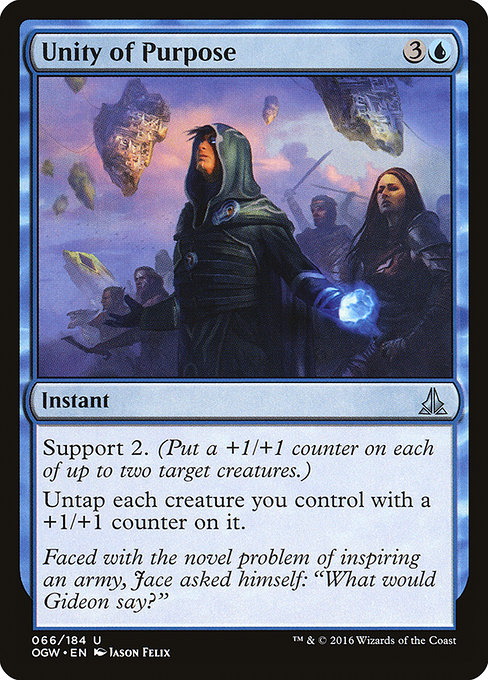
Support was another mechanic from the same set as Cohort. It allowed a player to put plus-one counters on several creatures at once. This was intended to help players go wide with many small units. The issue was that the cards with Support were not good on their own. If you did not have a board full of creatures, the Support ability did nothing. This is known as a win-more mechanic. It helps you when you are already winning, but it does not help you when you are behind. In a professional meta, you need cards that can help you recover from a bad position. Support cards were too dependent on having a perfect board state. This made them very inconsistent in real tournament play.
10. Forecast
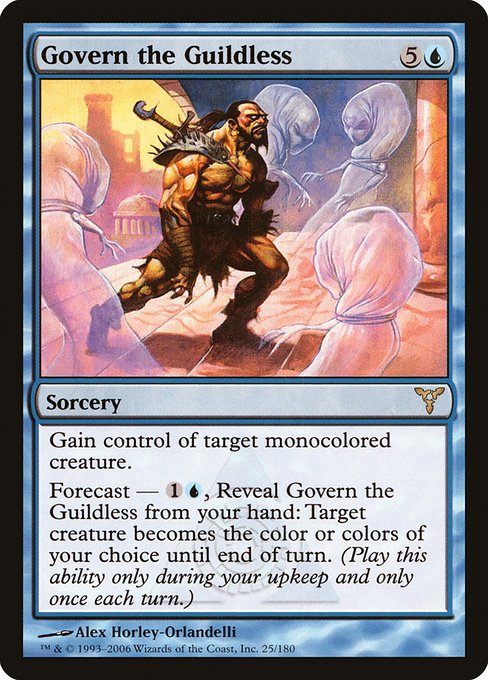
Forecast appeared in the Dissension set for the Azorius guild. It allowed players to pay a cost and reveal a card from their hand during their upkeep. This would trigger a small effect. The player could do this every turn without losing the card. While this sounds like a good way to use extra mana, it was very slow. The effects were minor and the costs were high. Most games were decided long before the Forecast effects could add up to a win. Additionally, revealing a card from your hand gives your opponent free information. Knowing what is in a player’s hand is a huge advantage in professional Magic. The small bonus of the Forecast ability was not worth giving away the secret of what you were holding.
Conclusion
The failure of these mechanics provides a valuable lesson in game design. Creating a new system requires more than just a creative idea. It requires a balance of power, speed, and reliability. When a mechanic is too slow or too risky, it will not find a home in the competitive meta. Professional players are quick to identify which cards are efficient. They will always choose the most stable options over flashy but flawed designs. Even though these ten mechanics were Dead-on-Arrival, they helped designers learn. Modern sets now feature mechanics that are more balanced and interactive. By looking at the past, the game continues to grow and improve for all players.
If you buy from these links we will receive a small commission