Tribal mechanics began early in the life of the game. The Alpha set included cards like Goblin King. This card gave bonuses to other Goblins. Over time, these mechanics became a core part of the game design. Developers use tribal support to give sets a clear identity. It helps players build decks with a focused theme. Most of the time, the supported tribe is a common one. Players can easily find dozens of Vampires or Zombies to fill a deck. But sometimes, designers create support for a “niche” type. This can happen because of a joke or a mistake. It can also happen when a set aims for a very specific flavor. These cards often become curiosities. They remind us of the vast and sometimes messy history of the game.
When a support card lacks a tribe, it loses its primary value. In a professional game, efficiency is vital. A card that supports a non-existent type is usually seen as a “dead” card. However, these cards still fascinate the community. They offer a puzzle for deck builders. Some players enjoy the challenge of making a “bad” tribe work. Others view these cards as tokens of game lore. They represent “what could have been” in certain sets. From a design view, they show how the game experiments with its own rules. These experiments do not always lead to a new standard archetype. Instead, they leave behind strange artifacts for us to study.
Top Ten Weirdest Tribal Support Cards
1. Steamflogger Boss
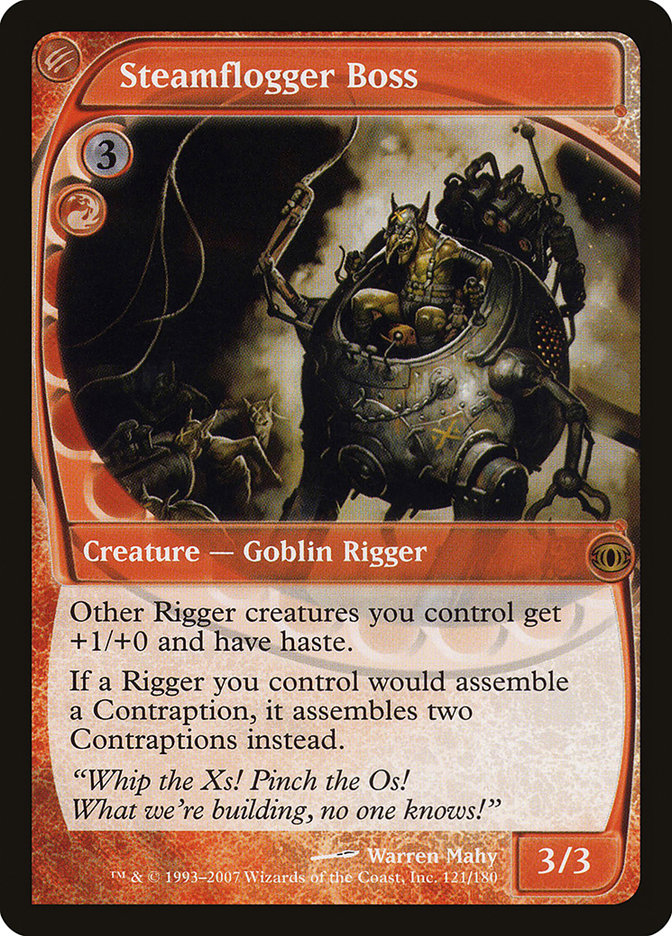
Steamflogger Boss is perhaps the most famous example of this trend. It was released in the Future Sight set. This set was designed to show “previews” of possible futures. The card gave a bonus to a creature type called “Riggers.” It also mentioned “assembling a Contraption.” At the time of its release, there were no other Riggers in the game. There were also no cards called Contraptions. For ten years, this card was a joke that did nothing. It supported a tribe and a mechanic that simply did not exist. This changed in 2017 with the Unstable set. But for a decade, it stood as a monument to non-existent tribal support.
2. Griffin Canyon
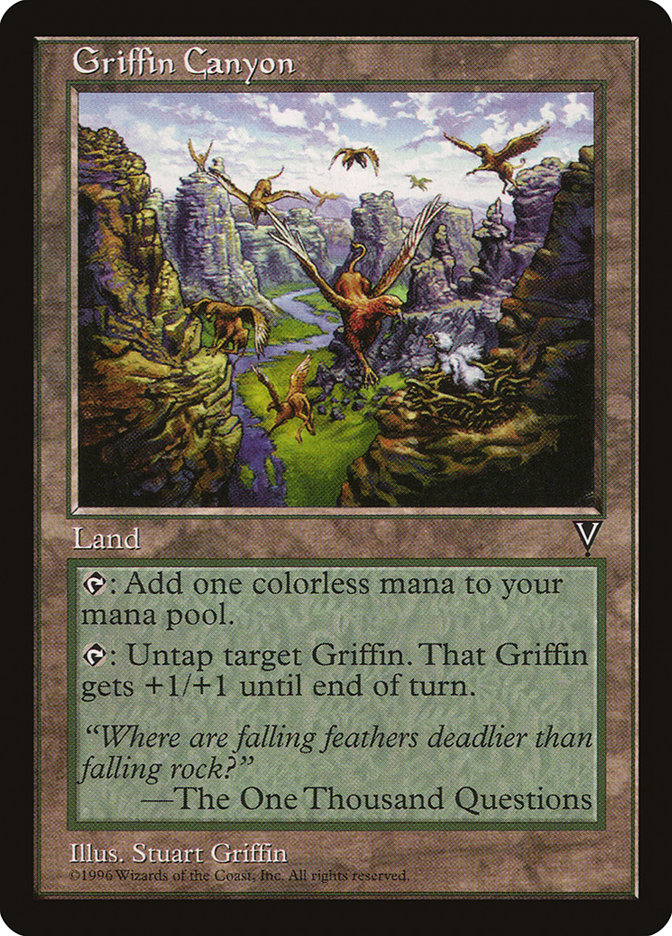
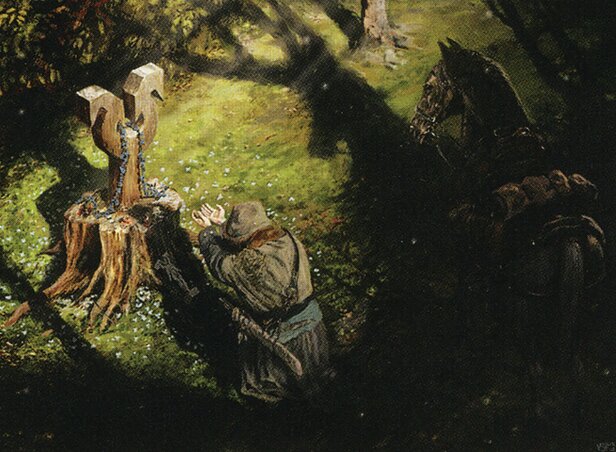
Griffin Canyon is a land card from the Visions set. This land can untap a Griffin and give it a power boost. The problem is that Griffins are not a major tribe. Most Griffins are expensive to cast and have low impact. Even today, there are very few Griffins that a player would want to use in a competitive deck. Providing a dedicated land for such a weak tribe is a very odd design choice. It is a rare case of a “utility land” being tied to a group that has no real presence in the game. Most players only use this card in combinations to make a creature infinite. They rarely use it for actual Griffin tribal play. If I have to guess this card was made due to some weird inside joke between WotC and the artist of the card who is coincidentally named “Griffin”.
3. Soraya the Falconer
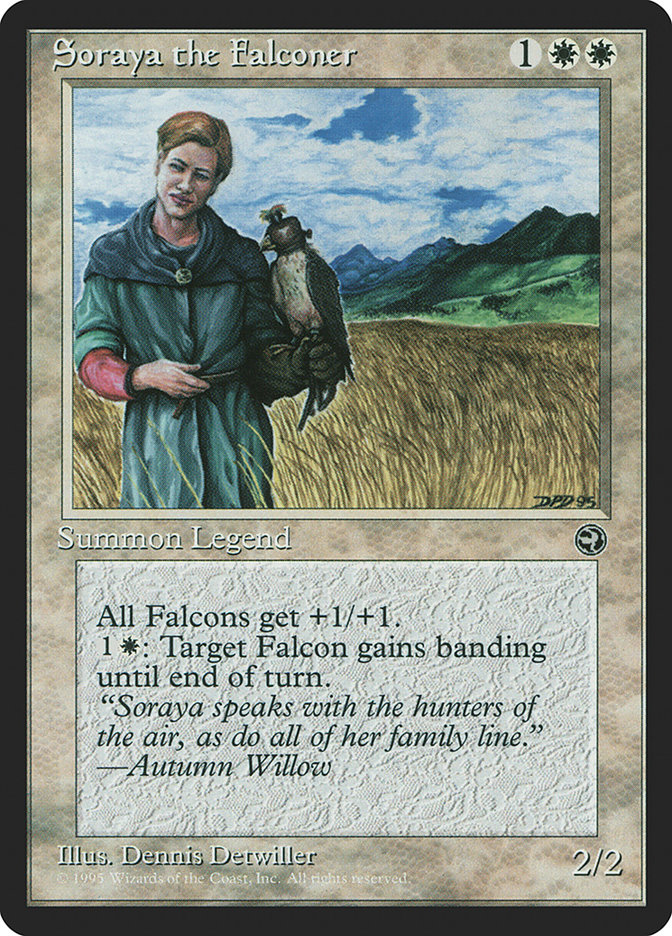
Soraya the Falconer was printed in the Homelands set. She was designed to support “Falcons.” She gives Falcons a boost and the ability to “band.” The issue here is twofold. First, Falcons were never a large creature type. Second, Wizards of the Coast later changed the rules. They removed the “Falcon” creature type from the game. All Falcons were turned into “Birds.” While the card was updated to support Birds, its original intent was highly specific. It targeted a tiny sub-group of birds that barely existed as a cohesive unit. This makes her one of the weirdest early attempts at tribal leadership.
4. Elephant Graveyard
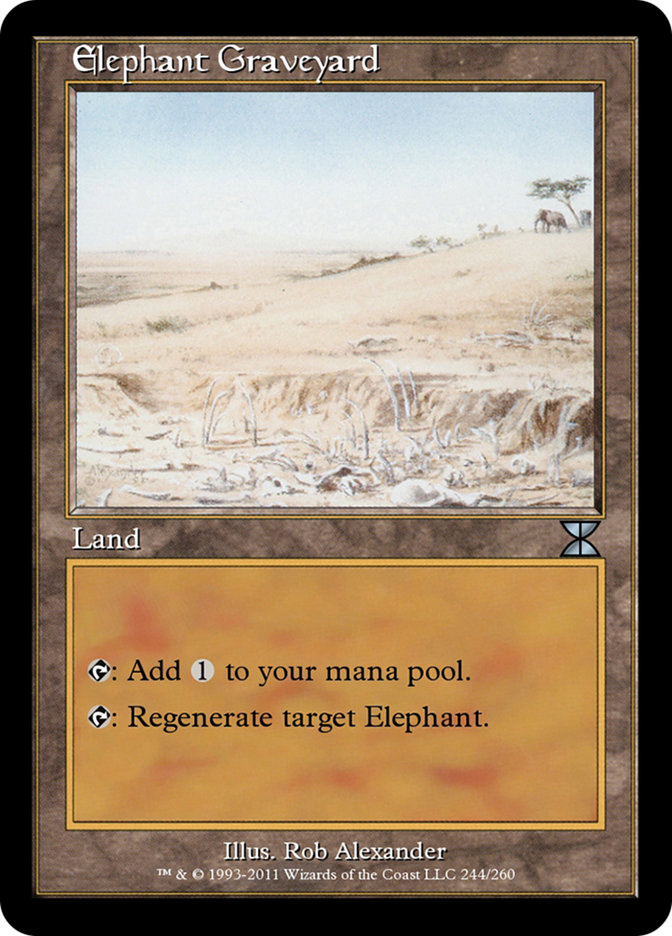
Elephant Graveyard comes from the Arabian Nights set. It is a land that can regenerate an Elephant. In the early days of the game, there were almost no Elephants. In fact, for a long time, there were more cards that mentioned Elephants than there were actual Elephant creatures. Building a deck around this land was impossible for years. It remains a strange artifact because the support is so narrow. Regenerating a creature is a defensive move. Usually, players want this for a vital creature. But in the 1990s, there were no “vital” Elephants to save. It is a flavor-rich card with almost no mechanical home.
5. Didgeridoo
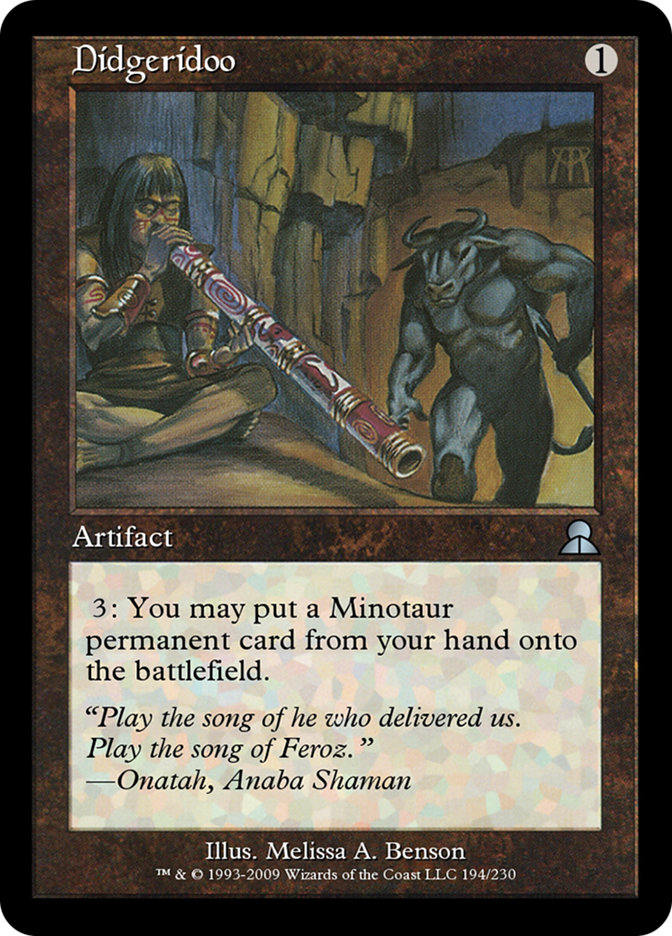
The Didgeridoo is a legendary card among fans of obscure tribes. It allows a player to put a Minotaur from their hand onto the battlefield for a low cost. When this card was printed in Homelands, Minotaurs were very weak. There were not enough Minotaurs to fill a deck. Most of them were also not worth the cost of the Didgeridoo. It took decades for the game to add enough Minotaurs to make this card useful. For most of its life, the Didgeridoo was a tribal support card for a tribe that was missing its members. It is a powerful effect wasted on a non-existent army.
6. Goatnapper
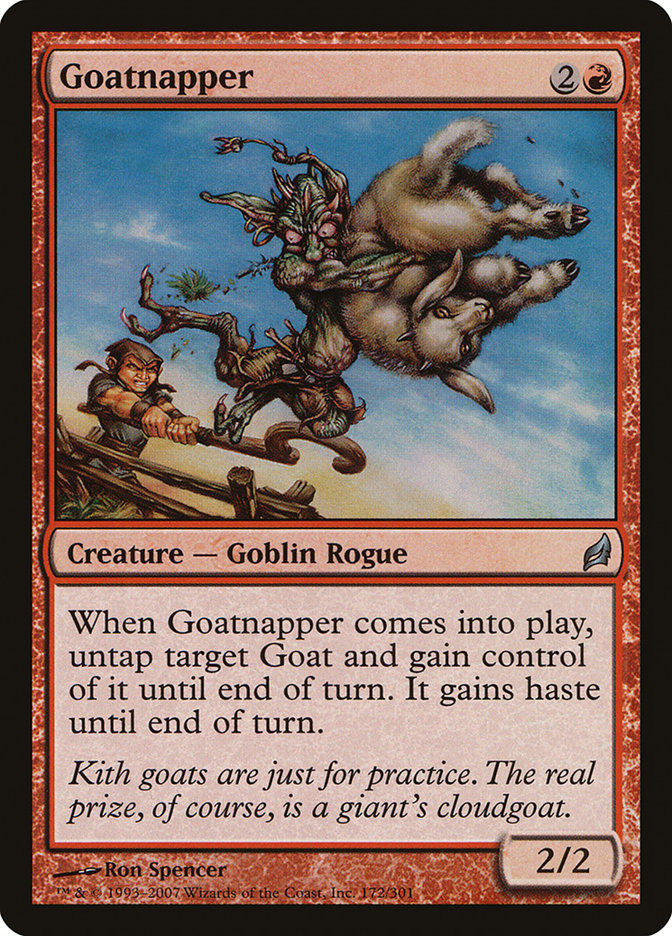
Goatnapper is a creature from the Lorwyn set. Its sole purpose is to steal a “Goat” from another player. This is a very narrow form of tribal support. It is actually “hate” support. It assumes that your opponent is playing a Goat deck. But Goat decks do not exist in any serious format. There are very few Goats in the game. The card only works because the Lorwyn set had “Changelings.” Changelings count as every creature type. So, the Goatnapper was meant to steal Changelings. Without that specific mechanic, the card would be completely useless. It is a support card for a tribe that barely has five real members.
7. Boldwyr Intimidator
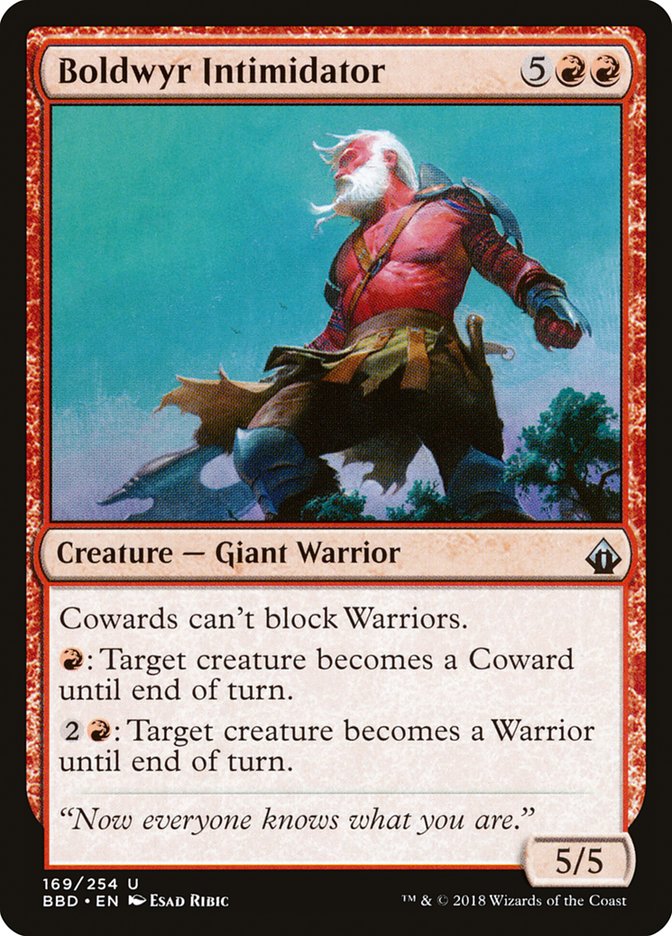
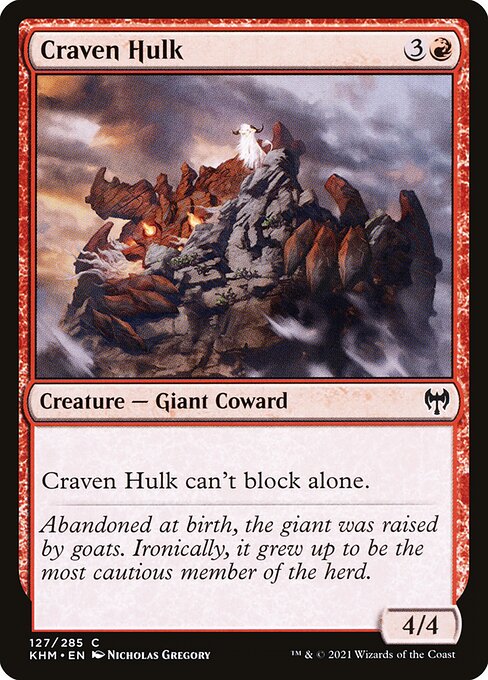
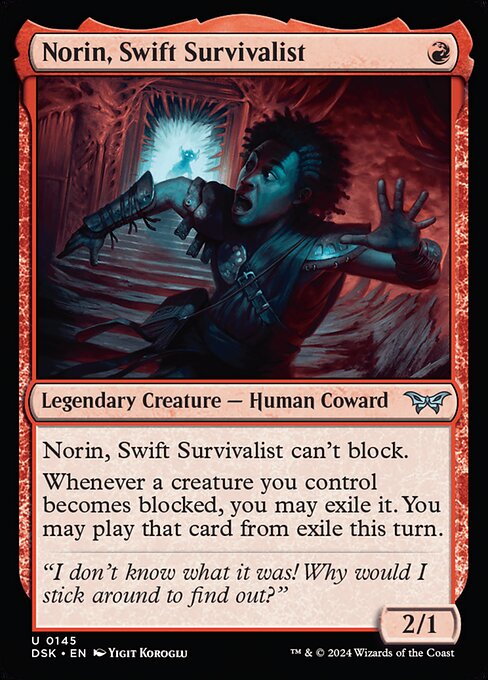
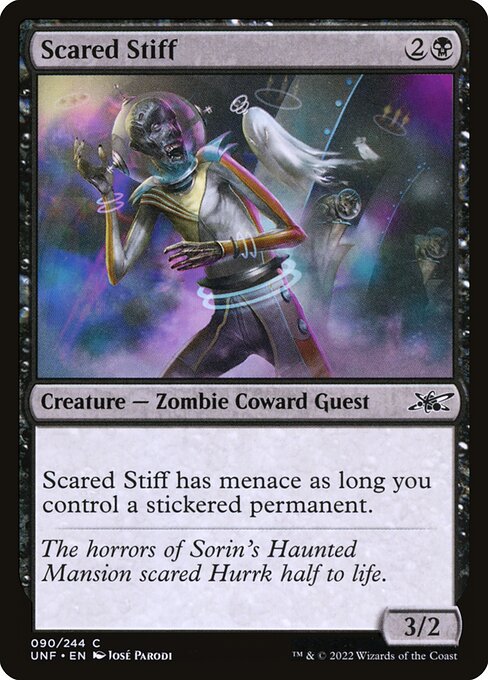
Boldwyr Intimidator is a unique card from Morningtide. It has a text line that says, “Cowards can’t block Warriors.” It also allows you to turn a creature into a “Coward.” The “Coward” creature type does not exist on any other card naturally. This card is a tribal support card for a type that it has to create itself. It is a very funny and flavorful mechanic. However, it is also very strange. Most tribal cards reward you for playing a certain type. This card punishes the opponent by forcing a non-existent type upon them. As of date, there is only 4 “coward” creature in the game.

8. Evil Eye of Orms-by-Gore
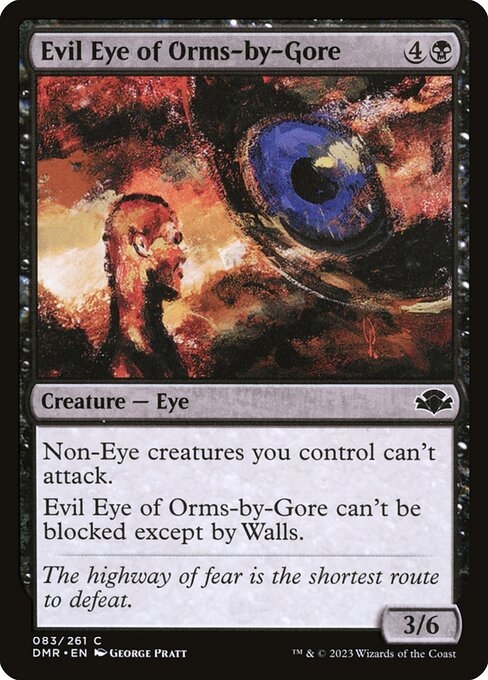
This card represents a very rare “negative” tribal support. It has the type “Eye.” Its ability says that non-Eye creatures you control cannot attack. There are only ten “Eye” cards in the entire game. The card essentially punishes you for not having more Eyes. Since there are too little of Eyes to play, it essentially hinders you to play the game. Designing a mechanic around a type that only appears few times across magic history is a bizarre choice. It forces the player to build a deck that works around a restriction rather than a bonus.
9. Swarmyard
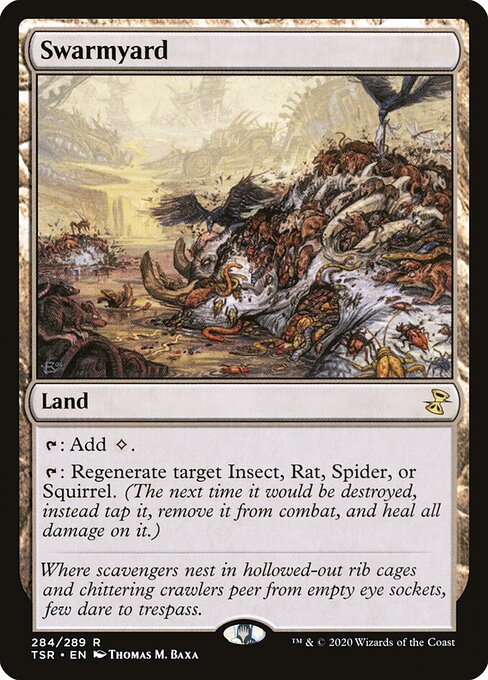
Swarmyard is a land that supports four different types: Insects, Rats, Spiders, and Squirrels. While these types exist, they rarely appear together. Usually, a tribal land supports one major group like Goblins. Swarmyard tries to support a “swarm” of minor groups. At the time of its printing, none of these groups had a real deck. Squirrels were a joke type. Spiders were just defensive blockers. By grouping four unrelated and weak types, the card became a very odd piece of support. It is a home for the “outcasts” of the creature world. It is highly valued today, but its origins are rooted in supporting the unsupported.
10. Rohgahh of Kher Keep
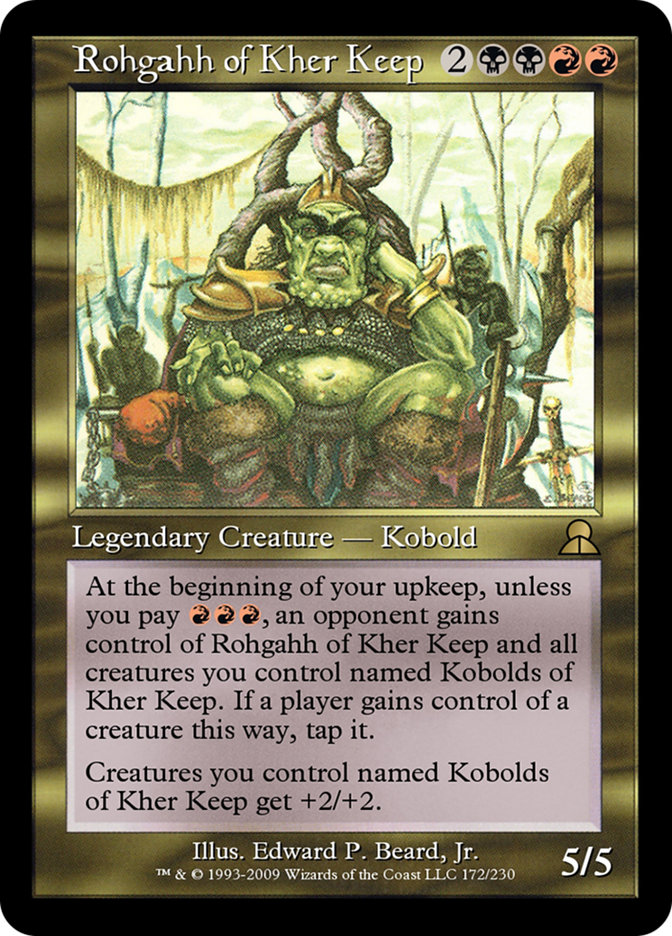
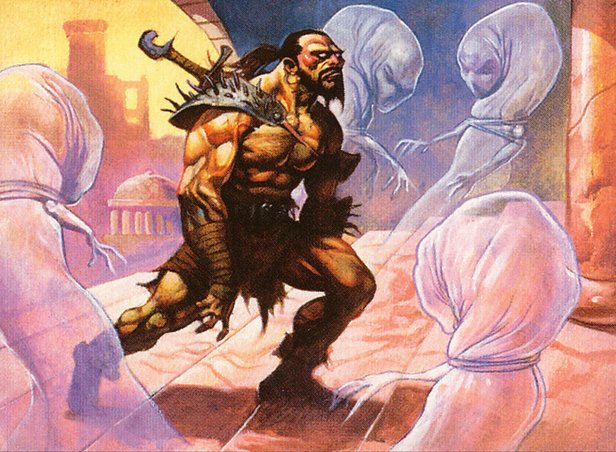
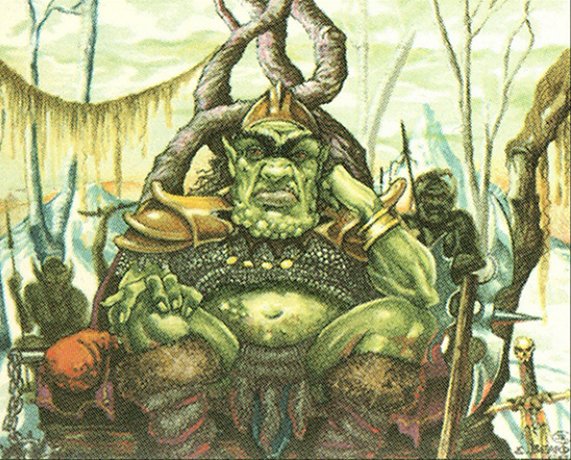
Rohgahh is a legend from the Legends set. He gives a bonus to “Kobolds.” Kobolds are famous for being zero-cost creatures with no power or toughness. They are the weakest creatures in the game. Rohgahh is a very expensive card that supports these tiny creatures. The strange part is his drawback. If he leaves the battlefield, you lose control of all your Kobolds. He is a tribal leader for a tribe that is designed to be useless. He provides support for a group that most players would never want to play. This makes him a very weird and risky tribal support card.
Conclusion
Tribal support is a key part of the Magic: The Gathering experience. It allows players to feel like a general leading an army. But as we have seen, not every army is ready for battle. Some cards support tribes that have no members. Others support types that are simply too weak to survive. These ten cards show the creative risks that game designers take. They may not always result in a winning deck. However, they add a lot of personality to the game. They remind us that Magic is a game of imagination. Even a Rigger or a Coward can have its day in the sun if the right card is printed. These weird support cards are a vital part of the game’s long and colorful history.
If you buy from these links we will receive a small commission